The Document That Changes Everything
There is a single piece of documentation in the hemp-derived cannabinoid market that separates the brands worth trusting from the ones worth avoiding, and it is not the product label, the brand story, or the founder’s letter on the about page. It is the Certificate of Analysis the independent, third-party laboratory report that tells you, with the authority of instrumented scientific measurement rather than marketing copy, exactly what is in the product you are considering purchasing. It is the one document in the entire hemp consumer’s toolkit that cannot be fabricated with good design software and a persuasive copywriter. It is the document that brands with something to hide keep difficult to find, and the document that brands with nothing to hide brands like Bloomz Hemp make the centerpiece of their consumer transparency practice.
And yet, for all its importance, the Certificate of Analysis remains one of the most widely misunderstood documents in the hemp space. The majority of hemp consumers have heard the term, know vaguely that they are supposed to look for it, and then find themselves confronted with a dense, technical document full of abbreviations, chemical compound names, numerical ranges, and laboratory methodology references that they have no framework for interpreting. The result is a document that exists in theory as the consumer’s primary protection against mislabeled, contaminated, or otherwise substandard products, but that functions in practice as an intimidating wall of data that most consumers glance at briefly before concluding that everything looks fine without having any real basis for that conclusion.
This guide is designed to change that. Not by turning every hemp consumer into an analytical chemist, but by providing the conceptual framework that makes a Certificate of Analysis legible the ability to look at a lab report, identify the sections that matter, understand what the numbers mean in plain language, and draw a reasoned conclusion about whether the product it describes is what it claims to be. And throughout, we will use Bloomz Hemp’s transparency practices as the standard because Bloomz makes this process easier, more informative, and more confidence-generating than virtually any comparable brand in the market.
To Buy Cannabis Flower Click Here
Recommended products
-
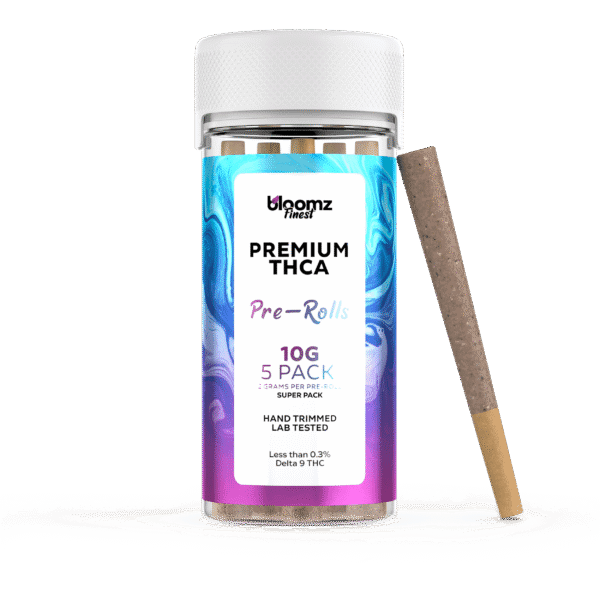
2 Gram THCA Pre-Rolls – 5 Pack
$63.99$89.99 -
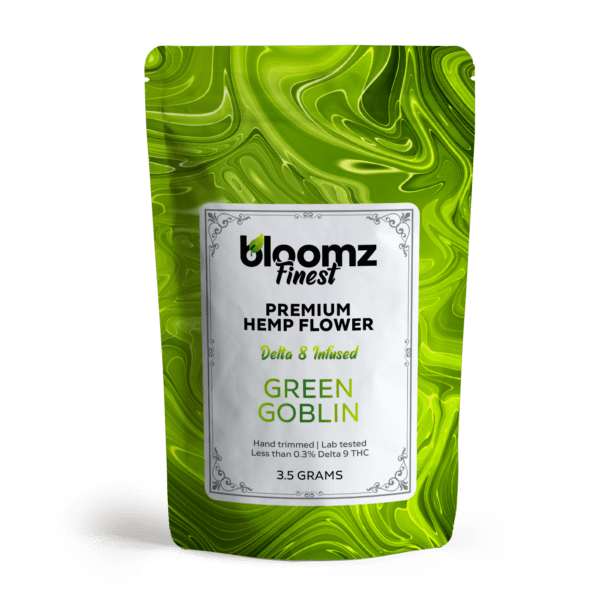
Delta 8 THC Flower
$24.99$39.99 -
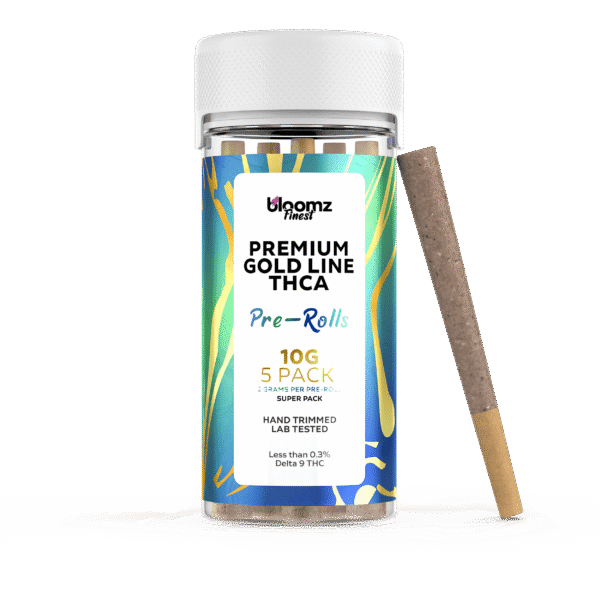
Exotic 2 Gram THCA Pre-Rolls – 5 Pack – Gold Line
$67.99$99.99 -
THC-P Flower
$29.99$43.99
What a Certificate of Analysis Actually Is
A Certificate of Analysis, or COA, is a document produced by an independent, third-party analytical laboratory that has tested a specific sample of a hemp product against a defined panel of analytes the compounds and contaminants being measured. The key word in that sentence is independent. A COA produced by a brand’s own internal quality control team is not a Certificate of Analysis in any meaningful sense it is a self-report, and its value as a trust-generating document is exactly as limited as any self-report. A genuine COA is produced by a laboratory with no financial relationship to the brand beyond the fee charged for testing services, operating under accreditation from a recognized standards body, using validated analytical methods that are documented, reproducible, and subject to external audit.
The significance of independence cannot be overstated in the hemp market, where the incentives for self-serving quality reporting are substantial and the regulatory oversight capable of detecting it is still developing. A brand that claims its products have been lab-tested but does not provide access to COAs from named, accredited, independent laboratories is making a claim that carries no verifiable weight. The test may have happened. The results may have been favorable. But without the independent verification that a genuine COA provides, the consumer has no way of knowing whether the reported results accurately reflect the product they are buying.
Bloomz Hemp provides COAs from accredited third-party laboratories for its products, and makes these documents accessible in a format designed for consumer use rather than regulatory compliance. This distinction between transparency designed for regulators and transparency designed for consumers is itself meaningful. A COA buried in a database accessible only through a multi-step search process is technically available but functionally hidden. A COA presented alongside the product it certifies, with the key findings highlighted and the technical language contextualized, is a genuine communication tool that actually serves the consumer’s interest in understanding what they are buying.
Recommended products
-
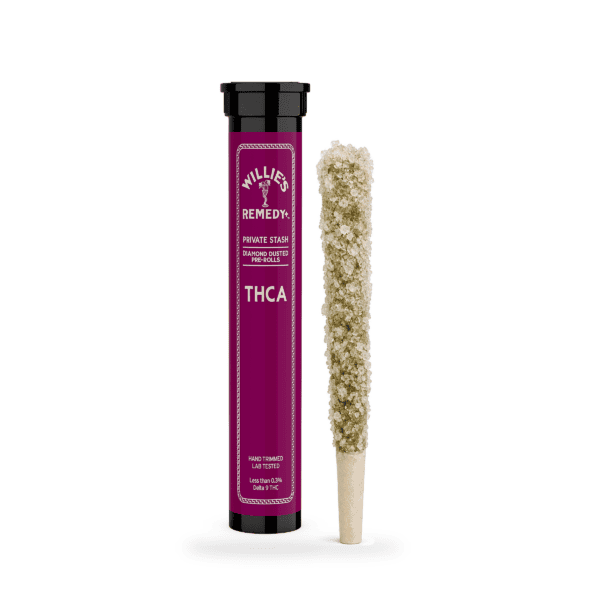
THCA Diamond Dusted Pre-Rolls – Willie’s Remedy – 5 Pack
$69.99$109.99 -
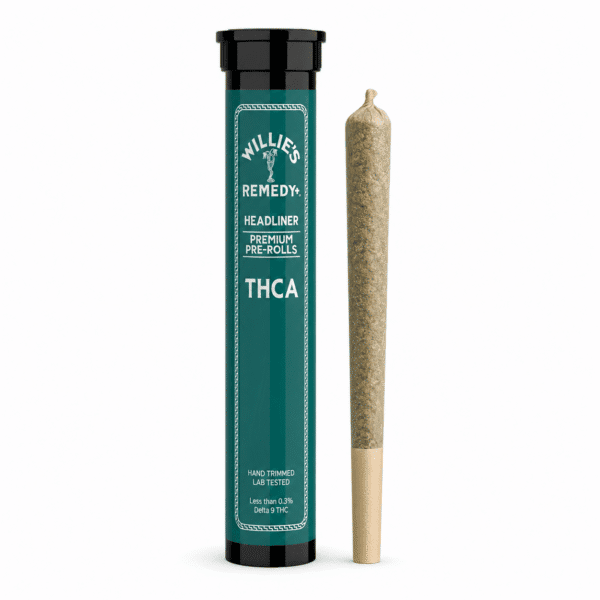
THCA Headliner Pre-Rolls – Willie’s Remedy
$37.99$54.99 -
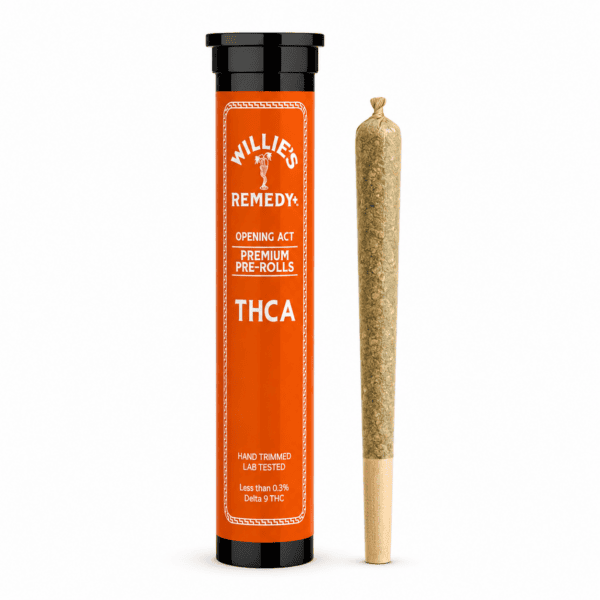
THCA Opening Act Pre-Rolls – Willie’s Remedy
$29.99$43.99 -
THCA Dogwalker Pre-Rolls – Willie’s Remedy
$44.99$67.99
The Anatomy of a COA: Section by Section
A well-structured Certificate of Analysis typically contains several distinct sections, each addressing a different dimension of product quality. Understanding what each section is measuring and what the results mean in practical terms is the foundation of COA literacy.
The cannabinoid panel is typically the first section a consumer looks at and, for many, the only section they feel equipped to evaluate. It reports the concentration of specific cannabinoids detected in the sample most commonly expressed as a percentage of total weight or as milligrams per gram against the brand’s stated label claims. For a Bloomz gummy labeled as containing 10mg of Delta-9 THC per piece, the cannabinoid panel should confirm that the tested sample contains approximately that concentration, within the acceptable variance range that responsible brands and accrediting laboratories have established as normal in manufactured edible products.
What many consumers do not know is that the cannabinoid panel also reveals information about the sophistication of the formulation beyond simple potency verification. A multi-cannabinoid Bloomz formulation will show detected concentrations of each compound in the blend Delta-9 THC, CBG, CBN, or whichever cannabinoids the product design incorporates allowing the consumer to verify not just that the primary cannabinoid is present at the claimed concentration but that the full blend architecture is intact. This is a level of formulation verification that single-compound products simply cannot offer, and it is one of the ways in which Bloomz’s multi-cannabinoid philosophy creates a richer, more verifiable transparency story.
The potency variance question deserves specific attention. Hemp-derived edible products, including gummies, are manufactured at scale through processes that introduce some degree of natural variation in the concentration of active compounds across the batch. Responsible brands and regulatory frameworks acknowledge this and establish acceptable variance ranges typically plus or minus ten to fifteen percent of the labeled amount for edible products. A COA showing cannabinoid concentration within this range is not a failure of quality control; it is evidence of a manufacturing process operating within documented and accepted tolerances. A COA showing variance significantly outside this range particularly in the direction of significantly lower potency than labeled is a red flag that deserves consumer attention.
The residual solvent panel is the section that most consumers skip because it sounds technical and arcane, and it is one of the most important sections in the document. Residual solvents are the chemical compounds used in certain extraction and processing methods butane, propane, ethanol, hexane, and others that can remain in the finished extract if the purification process is not completed adequately. At high concentrations, several of these compounds are associated with adverse health effects, and their presence above established limits in a hemp product is a serious quality failure. A clean residual solvent panel showing either non-detected results or concentrations well below established limits for each tested compound is one of the primary safety assurances a COA can provide, and it is a section that every consumer should verify before purchasing from a brand they have not used before.
The pesticide panel reports the results of testing for agricultural chemical residues insecticides, herbicides, fungicides, and related compounds that may be present in the hemp plant material used to produce the extract. Hemp is a bioaccumulator, meaning it absorbs compounds from its growing environment at concentrations that can exceed those present in the soil, making the agricultural practices of the hemp farm a direct determinant of the pesticide burden in the finished product. A comprehensive pesticide panel covering the full range of compounds for which regulatory limits have been established, with all results either non-detected or below action levels, is the consumer’s primary assurance that the product they are buying reflects responsible agricultural sourcing. Bloomz‘s sourcing standards are designed to support clean pesticide results, and its COAs reflect this commitment.
The heavy metals panel tests for the presence of lead, arsenic, cadmium, mercury, and other toxic metals that can accumulate in hemp plants grown in contaminated soil. Like pesticides, heavy metals enter the hemp plant from its growing environment and can concentrate in the extract if not adequately controlled through sourcing and processing practices. All four primary heavy metals should appear either as non-detected or at concentrations below the established limits for the product type limits that differ between ingestible and inhalable products, with inhalable products subject to more stringent standards due to the direct lung exposure involved.
The microbial panel, where included, tests for the presence of pathogenic microorganisms bacteria including E. coli and Salmonella, molds, yeasts, and in some cases specific mycotoxins produced by mold species. For ingestible hemp products, microbial safety is a baseline quality requirement, and a clean microbial panel provides the assurance that the product has been manufactured and handled in conditions that prevent contamination.
Recommended products
-
Blazed Exotic THCA Flower
$36.99$79.99 -
Blazed Strongest Exotic THCA Snow Caps
$58.99$93.99 -
THCA Snowballs – Gold Line
$57.99$89.99 -
THCA Moonrocks – Gold Line
$57.99$89.99
Reading Between the Lines: What a COA Tells You About a Brand
Beyond the specific results reported in each panel, a Certificate of Analysis communicates a broader set of information about the brand that produced the product information that is legible to the attentive consumer even without deep technical knowledge.
The comprehensiveness of the panel is itself a signal. A COA that tests only for cannabinoid potency, without including residual solvent, pesticide, heavy metal, and microbial panels, is a partial document that may reflect a brand’s interest in demonstrating potency without subjecting its products to the full safety verification that a complete COA provides. Comprehensive testing costs more than selective testing. A brand that pays for comprehensive testing is a brand that has made a financial commitment to full-spectrum transparency, and that commitment is visible in the document it produces.
The currency of the COA matters significantly. A Certificate of Analysis reflects the results of testing performed on a specific sample at a specific point in time. Formulations, suppliers, and manufacturing processes change, and a COA dated two or three years ago provides limited assurance about a product manufactured today. Responsible brands conduct ongoing testing and maintain current COAs typically dated within the past six to twelve months that reflect their current product formulations and manufacturing standards. Bloomz maintains current COAs for its active product line, which means the safety and potency assurances they provide are genuinely applicable to the products a consumer is buying today.
The laboratory’s credentials are the final and perhaps most important contextual element. A COA is only as reliable as the laboratory that produced it. Accreditation from recognized bodies ISO/IEC 17025 is the international standard for testing laboratory competence, and state-level cannabis and hemp laboratory accreditation programs in markets like California, Colorado, and Oregon provide additional verification is the consumer’s assurance that the laboratory’s methods are validated, its equipment is calibrated, its staff are qualified, and its results are subject to external audit and oversight. A COA from a named, accredited laboratory carries substantially more weight than one from an unnamed or unaccredited testing facility, and verifying the laboratory’s credentials is a worthwhile investment of the thirty seconds it takes to conduct a quick search.
Why Most Brands Make This Harder Than It Needs to Be
The hemp industry’s relationship with COA transparency is, in aggregate, considerably less impressive than the frequency with which brands invoke lab testing as a marketing credential would suggest. The gap between brands that use “third-party lab tested” as a badge on their packaging and brands that actually make their lab results easily accessible, current, comprehensive, and legible to the consumer is wide enough to be one of the market’s more reliable quality signals.
The reasons for this gap are not difficult to understand. Comprehensive testing is expensive, and making the results prominently accessible creates a form of accountability that some brands prefer to avoid particularly if the results are not consistently flattering. Posting a single cannabinoid potency COA and describing the product as “lab tested” is technically accurate and creates the impression of transparency without the exposure that genuine transparency entails. This is a strategy calibrated to the median consumer’s limited COA literacy, and it works precisely as long as consumers remain unable to distinguish between selective and comprehensive testing.
Bloomz‘s approach inverts this calculus entirely. The brand’s transparency practices are built on the assumption that its consumers are capable of evaluating what they are shown or of learning to do so and that the appropriate response to this capability is to show them everything rather than curate a flattering subset. This assumption is both respectful and strategically astute. Consumers who can read a COA and find it reassuring become substantially more loyal than consumers who take a brand’s quality claims on faith, because their confidence is grounded in evidence rather than in trust that can be eroded by a single disappointing purchase.
Recommended products
-
Exotic THCA Smalls
$169.99$329.99 -
THCA + THC-P Flower
$47.99$89.99 -
THCA Flower
$27.99$79.99 -
THCA Pre-Rolls – 3-Pack/6-Pack
$30.99$59.99
Making COA Literacy a Consumer Habit
The practical ask embedded in everything above is a modest one: before purchasing any new hemp product, locate the COA, identify the laboratory that produced it, verify that it is current, and check at minimum the cannabinoid potency, residual solvent, and pesticide panels for results that align with the product’s label claims and established safety limits. This process, once practiced a few times, takes under five minutes and provides a level of product assurance that no amount of marketing copy can replicate.
With Bloomz, this process is actively supported rather than passively permitted. The brand’s COA accessibility, the currency of its testing, and the comprehensiveness of its panels collectively create an environment in which becoming an informed consumer is easy rather than effortful. The documents are there. The information is legible. The results, consistently, reflect a brand that is confident enough in what it has made to invite scrutiny rather than deflect it.
In a market where the gap between what brands claim and what their products actually contain remains a real and documented problem, that invitation is not a small thing. It is the most important thing a hemp brand can offer a consumer who has learned to look for it. And for the consumer who has not yet learned to look this guide is the beginning of that education. The COA is waiting. Now you know how to read it.
This article is part of an ongoing editorial series exploring the Bloomz Hemp product experience, formulation philosophy, and competitive position in the premium hemp-derived cannabinoid market.
To Buy Cannabis Flower Click Here
Recommended products
-
THCA Flower – Mystery Reserve
$41.99$79.99 -
THCA Flower – Platinum Line
$47.99$79.99 -
THCA Smalls
$139.99$256.99 -
THCA Flower – Exotics – Gold Line
$37.99$89.99