Cannabis chemistry is far more complex than simply measuring THC percentages, as the plant’s compounds are constantly changing after harvest due to environmental exposure and natural degradation processes. One of the most important chemical changes that occurs over time is oxidation, a reaction that happens when compounds interact with oxygen in the air.
When THC is exposed to oxygen, along with factors like light, heat, and time, it begins to break down and transform into other compounds. This process is known as THC oxidation, and the resulting compounds are commonly referred to as oxidized THC. Understanding this transformation is essential for anyone interested in cannabis potency, product stability, storage practices, and overall quality, because oxidation plays a major role in how cannabis evolves after it is harvested and packaged.
To Buy Cannabis Flower Click Here
Recommended products
-
Delta 8 THC Flower
$24.99$39.99 -
THC-P Flower
$29.99$43.99 -
Exotic THCA Pre-Rolls Gold Line – 3-Pack/6 Pack
$36.99$69.99

To fully understand oxidized THC, it is important to first look at THC itself as a chemical compound. Tetrahydrocannabinol, or THC, is the primary psychoactive cannabinoid found in cannabis and is responsible for many of the effects associated with consumption, particularly those involving changes in perception, mood, and cognition. However, THC does not initially exist in large quantities in raw cannabis. Instead, the plant produces tetrahydrocannabinolic acid, or THCA, which is a non-intoxicating precursor.
When cannabis is exposed to heat through smoking, vaping, or cooking, THCA undergoes decarboxylation, a chemical reaction that removes a carboxyl group and converts it into active THC. Once THC is formed, it becomes capable of interacting with the body’s endocannabinoid system, particularly the CB1 receptors located in the brain. Despite its potency, THC is not chemically stable, and over time it begins to degrade through processes like oxidation.
Oxidation itself is a fundamental chemical reaction that occurs across many natural materials, not just cannabis. It involves the interaction between a substance and oxygen, often resulting in a change to the substance’s molecular structure and properties. This is the same process that causes metals to rust, fruit to brown after being cut, and oils to become rancid over time.
In cannabis, oxidation occurs when THC molecules are exposed to oxygen, triggering reactions that gradually alter their structure. This process can be significantly accelerated by environmental factors such as ultraviolet light, elevated temperatures, and prolonged air exposure. Even under relatively controlled conditions, oxidation still occurs slowly over time, which means all cannabis products will eventually experience some level of chemical change.
Recommended products
-
THCA Snowballs – Gold Line
$57.99$89.99 -
THCA Moonrocks – Gold Line
$57.99$89.99 -
Blazed Exotic THCA Flower
$36.99$79.99 -
Blazed Strongest Exotic THCA Snow Caps
$58.99$93.99
When THC oxidizes, it does not simply disappear; instead, it transforms into other cannabinoids, the most notable of which is cannabinol, commonly known as CBN. This transformation is not immediate but occurs gradually as THC molecules lose stability and rearrange into new structures. The conversion of THC into CBN is one of the most well-documented examples of cannabinoid degradation and serves as a clear indicator of aging cannabis.
While THC is strongly psychoactive, CBN has a much lower affinity for cannabinoid receptors in the brain, meaning it produces significantly milder effects. As a result, as THC oxidizes and converts into CBN, the overall psychoactive potency of cannabis tends to decrease, even though total cannabinoid content may still remain relatively high.
The chemical transformation involved in THC oxidation is rooted in changes to the molecule’s structure. THC has a specific arrangement of atoms that allows it to bind efficiently to CB1 receptors in the endocannabinoid system. This binding is what produces the characteristic psychoactive effects of cannabis.
When oxidation occurs, the molecular structure of THC is altered in a way that reduces its ability to bind to these receptors. CBN, the primary oxidation product, has a similar but distinct structure that results in different biological activity. While it still interacts with the endocannabinoid system, it does so less efficiently than THC, which explains the reduction in psychoactive intensity associated with aged or oxidized cannabis.
Several environmental factors play a crucial role in determining how quickly THC oxidizes. Oxygen exposure is the primary driver, as the presence of air allows oxygen molecules to interact directly with cannabinoids. The more frequently cannabis is exposed to air, such as through repeated opening of containers, the faster oxidation can occur. Light exposure, particularly ultraviolet light, is another major factor that accelerates degradation.
UV rays can break down cannabinoid molecules and increase the rate of oxidation, which is why cannabis is often stored in dark or UV-protected packaging. Heat also contributes to oxidation by increasing the speed of chemical reactions, meaning that cannabis stored in warm environments will degrade more quickly than cannabis kept in cooler conditions. Time itself is an unavoidable factor, as even properly stored cannabis will gradually undergo oxidation over extended periods.
As THC oxidizes and its concentration decreases, consumers may notice a change in the overall potency and experience of the product. Fresh cannabis typically contains higher levels of THC and delivers stronger psychoactive effects, while older cannabis may feel less intense due to the reduction in THC content. At the same time, the increase in CBN and other degradation products can subtly alter the experience, contributing to a different cannabinoid profile. This shift highlights the importance of proper storage and handling, especially for consumers who prioritize consistency in their cannabis experience.
Recommended products
-
Exotic THCA Smalls
$169.99$329.99 -
THCA + THC-P Flower
$47.99$89.99 -
THCA Flower
$27.99$79.99 -
THCA Pre-Rolls – 3-Pack/6-Pack
$30.99$59.99

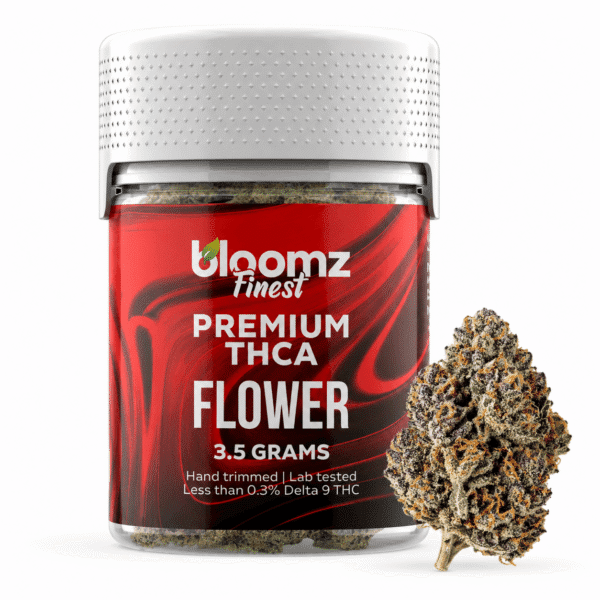
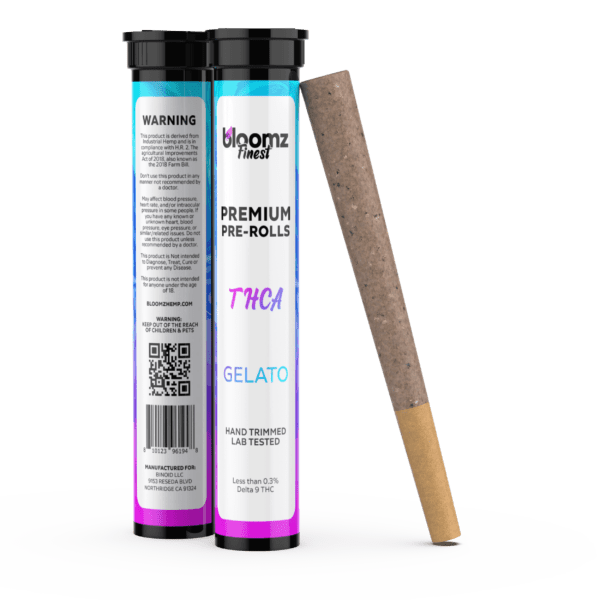
Oxidation is not limited to raw cannabis flower; it also affects a wide range of cannabis products, including concentrates, vape cartridges, edibles, and tinctures. Each product type may experience oxidation differently depending on its formulation and packaging. For example, cannabis oils and concentrates can be particularly sensitive to heat and air exposure, which may accelerate degradation if not stored properly. Manufacturers often take steps to minimize oxidation by using airtight containers, limiting headspace within packaging, and incorporating UV-resistant materials. These measures help preserve the chemical integrity of cannabinoids and extend product shelf life.
Proper storage is one of the most effective ways to slow the oxidation process and maintain cannabis quality. Keeping cannabis in airtight containers reduces oxygen exposure, while storing it in a cool, dark environment helps limit the effects of heat and light. Avoiding frequent handling and minimizing exposure to open air can also make a significant difference in preserving potency. While it is impossible to completely prevent oxidation, these practices can significantly slow the rate at which THC degrades over time.
Laboratory testing plays an important role in identifying and tracking THC oxidation. In regulated cannabis markets, products are often tested by third-party laboratories that measure cannabinoid content and verify product composition. As cannabis ages, lab results may show a gradual decrease in THC levels alongside an increase in CBN concentrations. These changes provide valuable insight into product freshness and storage conditions. Certificates of analysis, or COAs, often reflect these shifts, allowing consumers and manufacturers to better understand how a product has evolved since production.
Although oxidation is one of the primary pathways for THC degradation, it is not the only process that affects cannabinoids. Other forms of degradation, such as thermal degradation caused by heat and photodegradation caused by light, can occur simultaneously and contribute to the overall transformation of cannabis chemistry. These processes often overlap, making it important to consider multiple environmental factors when evaluating cannabinoid stability.
From a broader scientific perspective, understanding THC oxidation is essential for improving cannabis storage, product formulation, and quality control. Researchers and manufacturers study oxidation to develop better packaging solutions, optimize shelf life, and maintain consistent cannabinoid profiles. This knowledge is especially important in regulated markets, where product accuracy and stability are critical for compliance and consumer trust.
In conclusion, oxidized THC refers to THC that has undergone chemical transformation due to exposure to oxygen and environmental factors such as light, heat, and time. This process leads to the gradual breakdown of THC into other cannabinoids, most notably CBN, resulting in reduced potency and changes in the overall cannabis experience. While oxidation is a natural and unavoidable process, it can be managed through proper storage and handling practices. By understanding how THC changes over time, consumers and industry professionals alike can make more informed decisions about cannabis quality, preservation, and use.
To Buy Cannabis Flower Click Here
Recommended products
-
THCA Smalls
$139.99$256.99 -
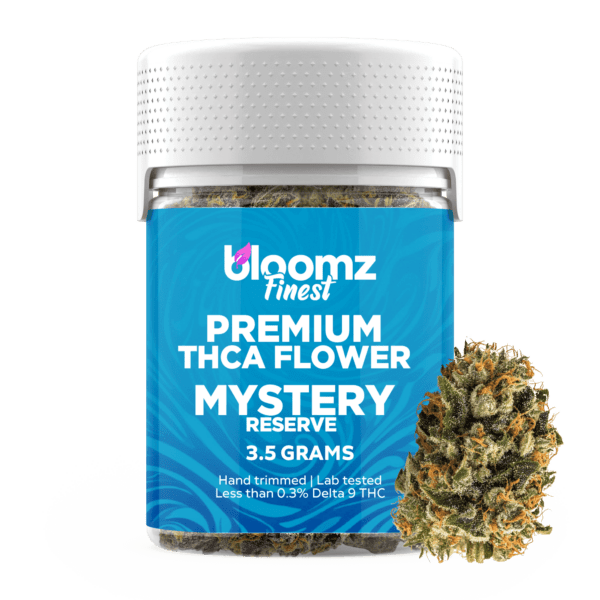
THCA Flower – Mystery Reserve
$41.99$79.99 -
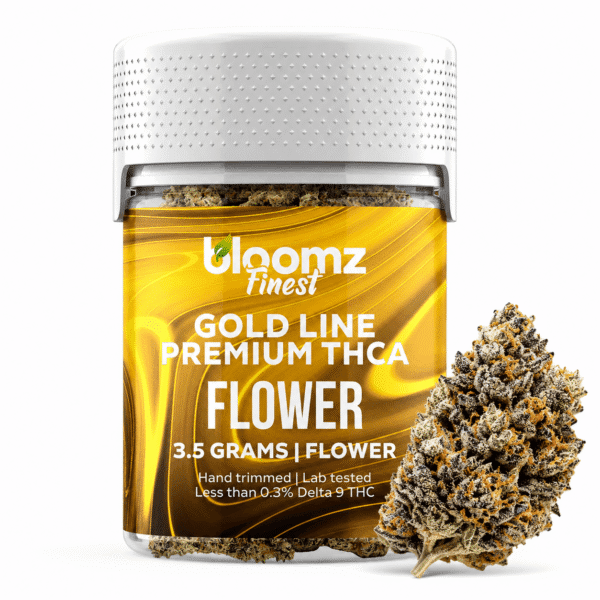
THCA Flower – Exotics – Gold Line
$37.99$89.99 -
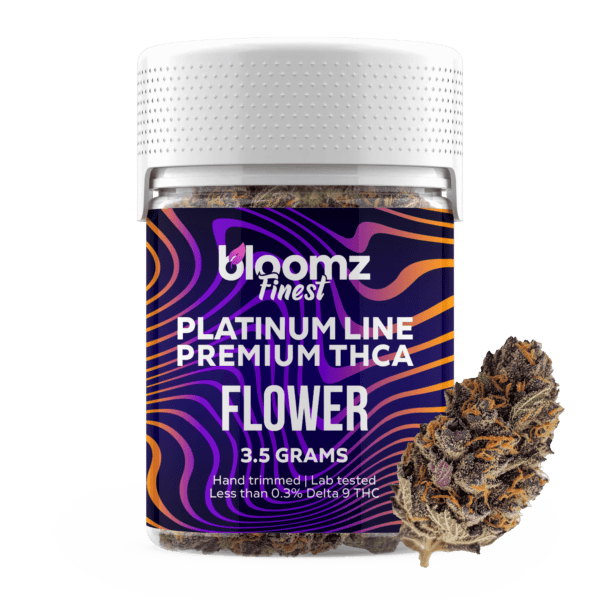
THCA Flower – Platinum Line
$47.99$79.99