As the cannabis industry becomes more regulated and quality-focused, testing and safety standards have become increasingly important. One of the most critical aspects of this process is pesticide screening. While many consumers focus on potency or flavor, pesticide screening plays a vital role in ensuring that cannabis products are safe to use. Understanding what pesticide screening is and why it matters requires looking at how cannabis is grown, what pesticides are, and how testing helps protect consumers.
To Buy Cannabis Flower Click Here
Recommended products
-
Delta 8 THC Flower
$24.99$39.99 -
THC-P Flower
$29.99$43.99 -
Exotic THCA Pre-Rolls Gold Line – 3-Pack/6 Pack
$36.99$69.99
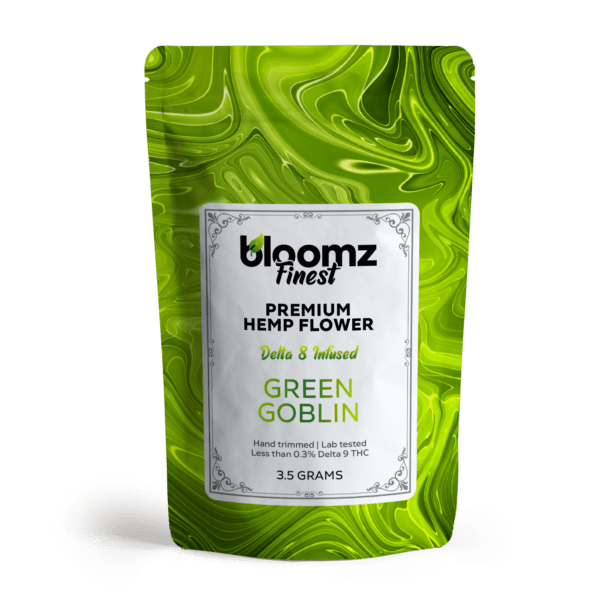
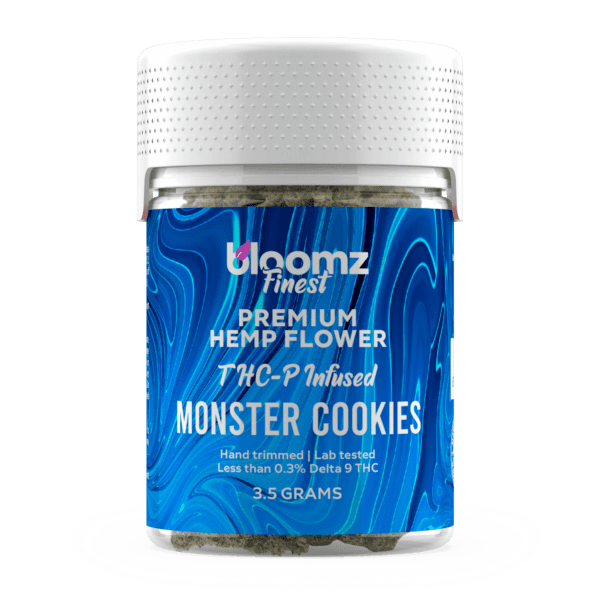
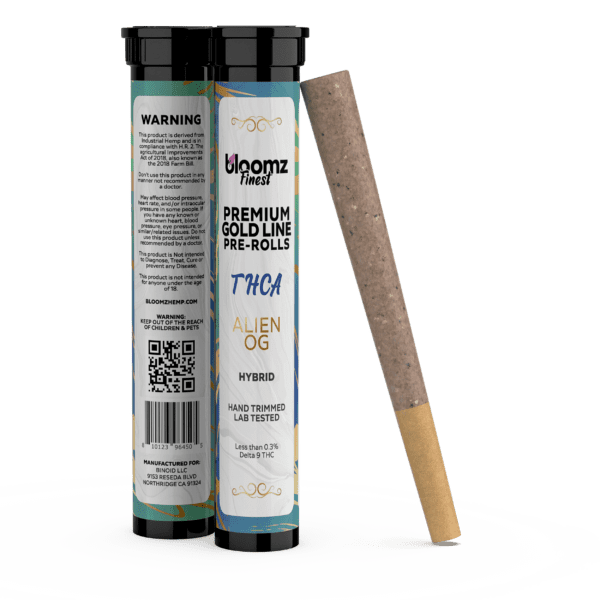
Pesticides are substances used to control pests, including insects, fungi, and other organisms that can damage plants. In agriculture, they are commonly used to protect crops and improve yield. However, when it comes to cannabis, the use of pesticides raises important safety concerns. Because cannabis is often inhaled or consumed directly, any residual chemicals on the plant can enter the body, making it essential to ensure that products are free from harmful levels of these substances.
Pesticide screening is the process of testing cannabis products to detect the presence of pesticide residues. This is typically done in specialized laboratories using advanced analytical methods that can identify even trace amounts of chemicals. The goal is to determine whether the product meets safety standards set by regulatory bodies, ensuring that it is safe for consumption.
The importance of pesticide screening becomes clear when considering how cannabis is used. Unlike many other crops, cannabis is often smoked or vaporized, which can concentrate and deliver any contaminants directly into the lungs. This makes it especially important to ensure that the plant is free from harmful substances. Even small amounts of certain pesticides can pose risks when inhaled, making testing a critical step in the production process.
A real-world example might involve a consumer choosing between two products—one that has been lab-tested and one that has not. The tested product includes information about pesticide screening, confirming that it meets safety standards. The untested product, on the other hand, provides no such assurance. In this situation, the consumer may feel more confident choosing the tested option, knowing that it has been evaluated for contaminants.
Recommended products
-
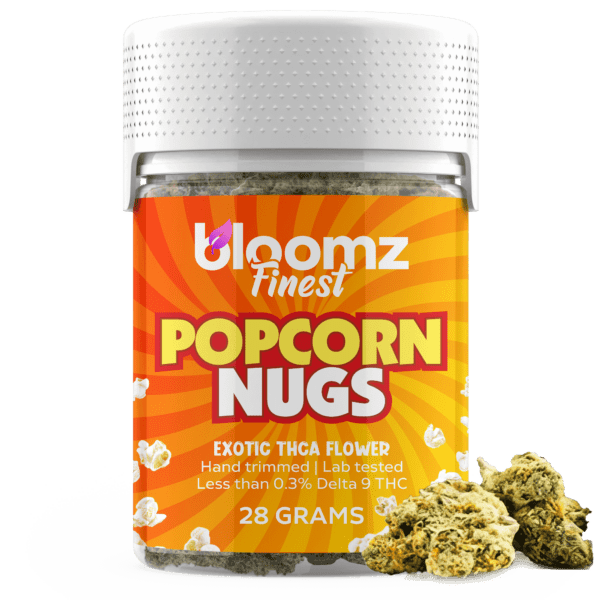
Exotic THCA Smalls
$169.99$329.99 -
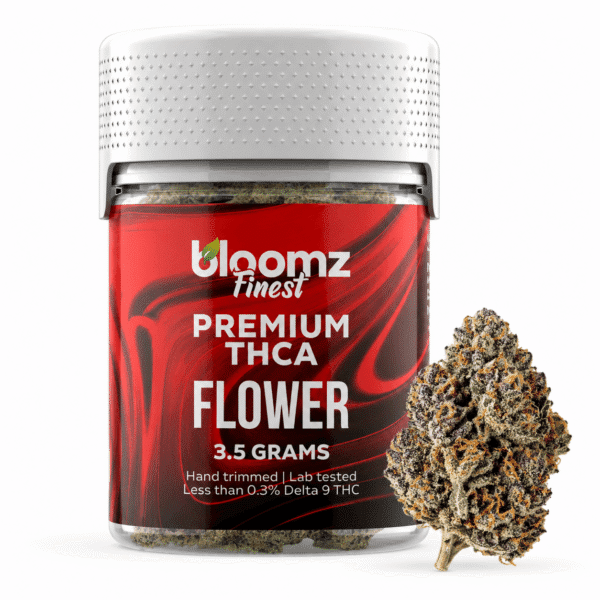
THCA Flower
$27.99$79.99 -
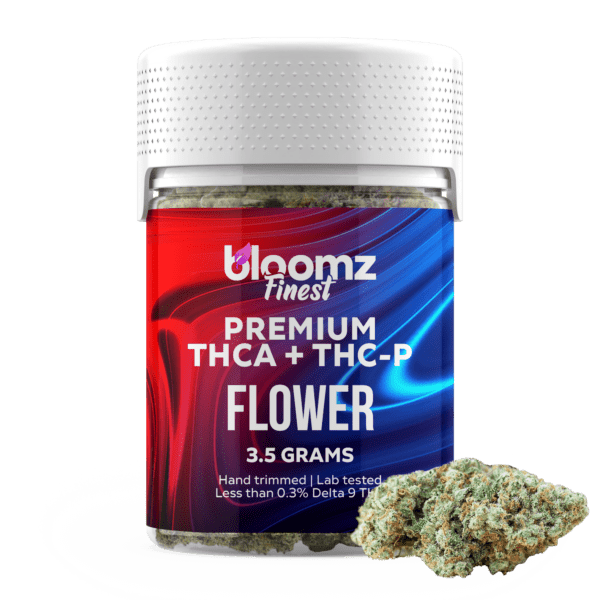
THCA + THC-P Flower
$47.99$89.99 -
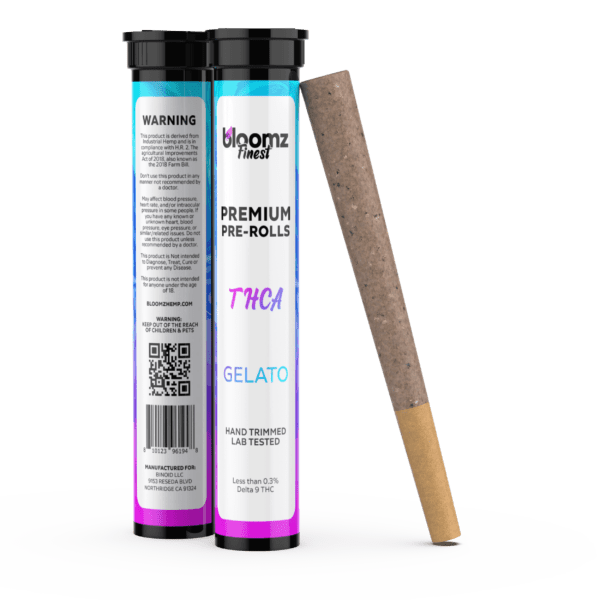
THCA Pre-Rolls – 3-Pack/6-Pack
$30.99$59.99
Another example might involve a discussion between users:
“Is this stuff tested?”
“Yeah, it passed pesticide screening.”
“Good, I don’t mess with anything that’s not checked.”
This kind of conversation reflects growing awareness about the importance of safety and transparency in cannabis products.
Pesticide screening also plays a role in maintaining trust within the industry. As legalization expands, consumers expect higher standards of quality and safety. Testing helps ensure consistency and accountability, allowing producers to demonstrate that their products meet established guidelines. This not only protects consumers but also supports the credibility of the industry as a whole.
It is also worth noting that pesticide screening does not just detect harmful chemicals—it helps encourage better cultivation practices. Growers who know their products will be tested are more likely to use safer methods and avoid prohibited substances. This creates a positive feedback loop where testing drives higher standards across the board.
In conclusion, pesticide screening is the process of testing cannabis for the presence of harmful chemical residues, ensuring that products are safe for consumption. It is a critical component of modern cannabis regulation, protecting consumers and promoting quality within the industry. By understanding this term, users can make more informed choices and prioritize safety alongside other factors like potency and flavor.
To Buy Cannabis Flower Click Here
Recommended products
-
THCA Smalls
$139.99$256.99 -
THCA Flower – Exotics – Gold Line
$37.99$89.99 -
THCA Flower – Mystery Reserve
$41.99$79.99 -
THCA Flower – Platinum Line
$47.99$79.99