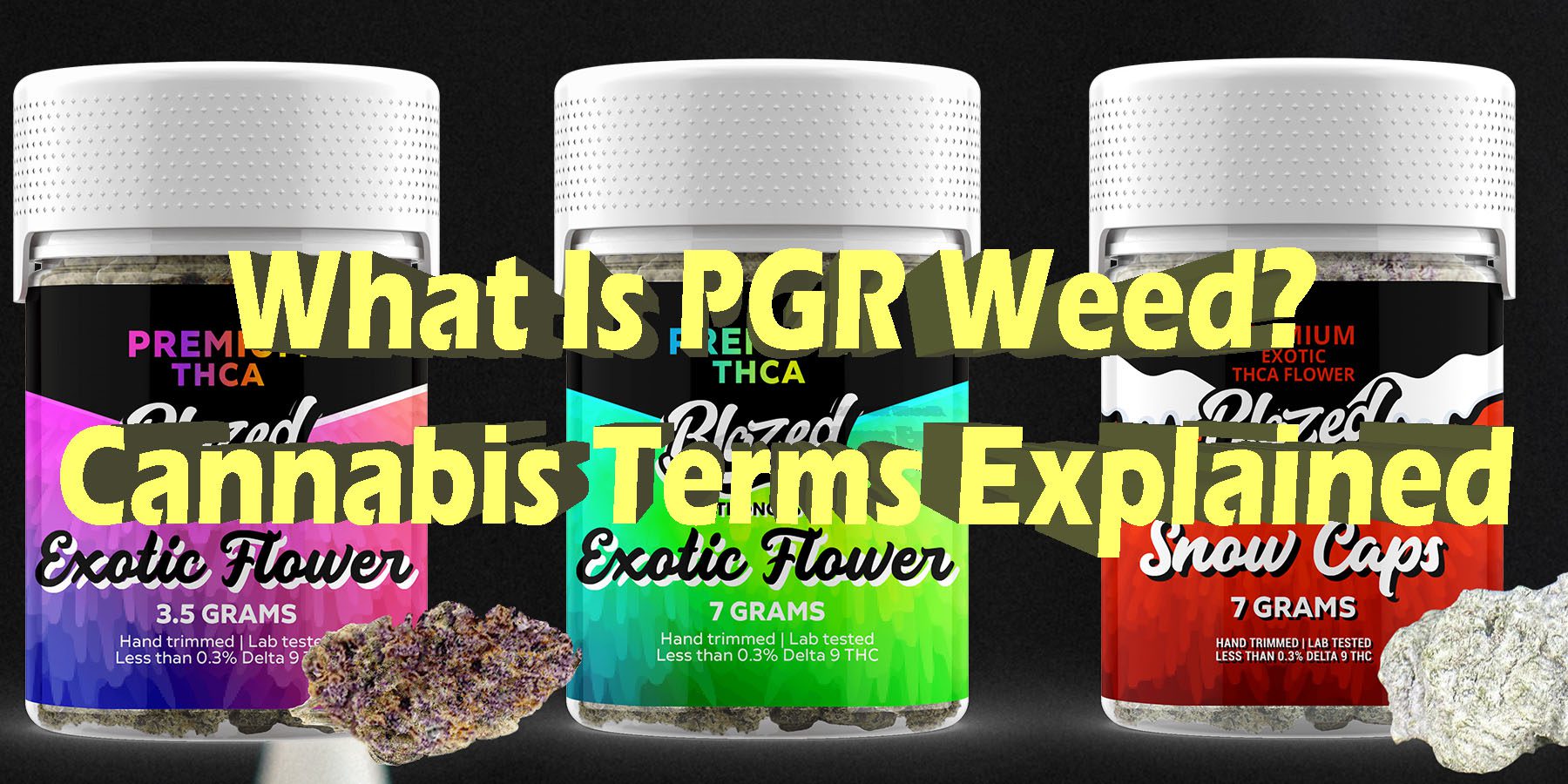
As cannabis becomes more widely available and commercially produced, consumers are paying closer attention not just to potency, but to how their flower is grown and what goes into it. Among the many terms that have emerged in cannabis culture and education, “PGR weed” is one that often raises concern, curiosity, and sometimes confusion. While it may not be as commonly understood as terms like indica, sativa, or hybrid, PGR weed is an important concept that touches on cultivation practices, product quality, and overall consumer safety. Understanding what PGR weed is, how it is produced, and how to identify it can help consumers make more informed decisions when selecting cannabis products.
PGR stands for Plant Growth Regulators, which are chemical substances used in agriculture to influence the growth and development of plants. These compounds can affect various aspects of plant biology, including size, shape, density, flowering time, and yield. In many forms of agriculture, PGRs are used legitimately to improve crop efficiency and consistency. However, when it comes to cannabis, the use of certain synthetic PGRs has become controversial due to their potential impact on both the quality of the flower and the health of those who consume it.
To Buy Cannabis Flower Click Here
Recommended products
-
Delta 8 THC Flower
$24.99$39.99 -
THC-P Flower
$29.99$43.99 -
Exotic THCA Pre-Rolls Gold Line – 3-Pack/6 Pack
$36.99$69.99
PGR weed refers to cannabis that has been grown using synthetic plant growth regulators, often with the goal of increasing bud density and visual appeal. These chemicals can cause cannabis buds to grow unusually compact, heavy, and tightly packed, giving them a dense, almost rock-like appearance. At first glance, this might seem desirable, especially for consumers who associate dense buds with higher quality. However, the reality is more complex. While PGRs can enhance certain visual characteristics, they often do so at the expense of other important qualities, such as cannabinoid content, terpene profile, and overall smoking experience.
To understand why PGR weed is controversial, it is important to look at how these chemicals affect the cannabis plant. Synthetic PGRs work by altering the plant’s natural hormonal balance, particularly hormones responsible for growth and flowering. By manipulating these processes, growers can produce larger yields in a shorter amount of time. However, this accelerated and altered growth can interfere with the plant’s ability to develop its full spectrum of cannabinoids and terpenes. As a result, PGR weed often lacks the rich aroma, flavor, and potency that are typically associated with high-quality cannabis.
One of the most noticeable differences between PGR weed and naturally grown cannabis is the appearance of the buds. PGR-treated buds tend to be extremely dense, with a hard, compact structure that feels almost unnatural. They may appear smaller but heavier than expected, with a tight formation that lacks the fluffy or slightly springy texture of well-grown flower. Additionally, PGR weed often has fewer visible trichomes—the tiny, crystal-like structures that contain cannabinoids and terpenes. This can give the buds a dull or less frosty appearance compared to high-quality cannabis, which is usually covered in a sparkling layer of resin.
Color can also be an indicator. PGR weed may exhibit darker, brownish, or muted tones rather than the vibrant greens, purples, and oranges commonly seen in naturally cultivated cannabis. The pistils, or hair-like structures on the buds, may appear darker and more withered, sometimes taking on an orange-brown hue that looks less fresh. While color alone is not a definitive sign of PGR use, it can contribute to an overall visual profile that differs from premium flower.
Beyond appearance, the smell and taste of PGR weed often reveal its shortcomings. Terpenes are responsible for the distinct aromas and flavors of cannabis, ranging from fruity and sweet to earthy and gassy. Because synthetic PGRs can suppress terpene production, PGR weed frequently has a weaker, less complex scent. In some cases, it may even have a slightly chemical or hay-like smell. When smoked, the flavor may be bland or harsh, lacking the depth and smoothness that many consumers expect. This diminished sensory experience is one of the main reasons why PGR weed is generally considered lower quality despite its dense appearance.
The effects of PGR weed can also differ from those of naturally grown cannabis. While it may still contain THC and produce psychoactive effects, the overall experience is often described as less nuanced or less enjoyable. The reduced presence of terpenes and minor cannabinoids can limit the entourage effect, which is the synergistic interaction between different compounds in cannabis that contributes to its overall impact. As a result, the high from PGR weed may feel more one-dimensional, lacking the balance and complexity that many users seek.
Health concerns are another important aspect of the discussion סביב PGR weed. Some synthetic plant growth regulators used in illicit or unregulated cannabis cultivation have been linked to potential health risks. These compounds are not always approved for use in consumable crops, and their long-term effects when inhaled are not fully understood. Because PGRs are absorbed into the plant tissue, they cannot simply be washed off or removed after harvest. This means that consumers may be exposed to these chemicals when smoking or vaping PGR-treated cannabis.
It is important to note that not all plant growth regulators are inherently harmful. There are natural PGRs, such as kelp extracts or other organic compounds, that can be used safely in cultivation. The concern primarily lies with synthetic PGRs that are used to manipulate plant growth in ways that prioritize yield and appearance over quality and safety. In regulated markets, the use of certain harmful PGRs is often prohibited, and products are subject to testing for contaminants. However, in unregulated or illicit markets, the use of these chemicals may still occur, making it important for consumers to be aware of the signs.
Recommended products
-
Exotic THCA Smalls
$169.99$329.99 -
THCA + THC-P Flower
$47.99$89.99 -
THC-P Flower
$29.99$43.99 -
THCA Pre-Rolls – 3-Pack/6-Pack
$30.99$59.99
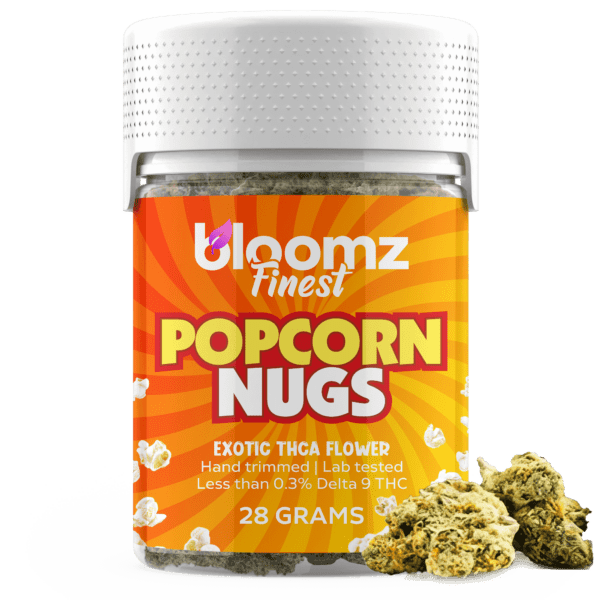
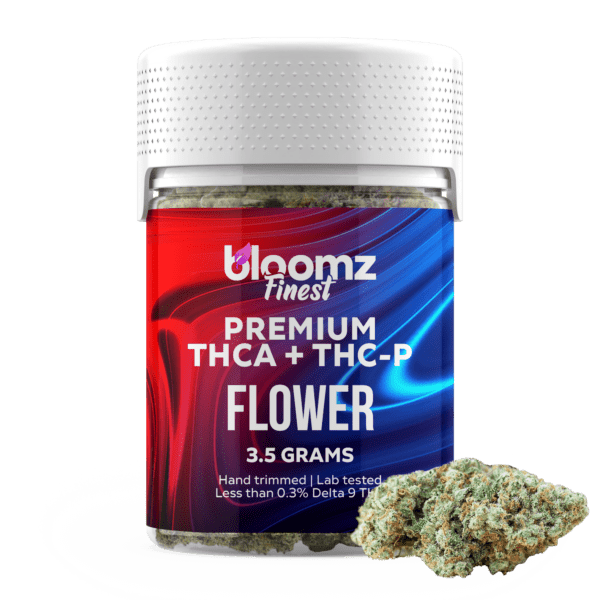
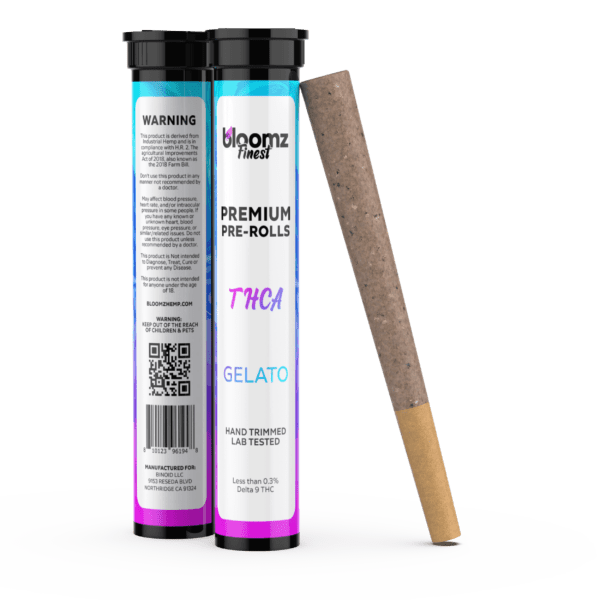
To better understand how PGR weed might appear in real-world situations, consider a common example. A consumer visits a dispensary or encounters cannabis being sold at a lower price point. The buds look extremely dense and compact, almost like small pebbles. They feel unusually heavy for their size and lack the sticky, resinous texture typically associated with high-quality flower. Upon closer inspection, the buds have a muted color and minimal visible trichomes. When smelled, the aroma is faint or slightly off, lacking the strong, distinct scent expected from premium cannabis. These characteristics together may indicate that the product is PGR weed.
In another example, a consumer purchases cannabis that looks visually appealing at first glance due to its density, but upon breaking it apart, the buds feel dry and crumbly rather than sticky. The smoke is harsh, and the flavor is underwhelming. The effects are present but feel flat or short-lived. This experience can be disappointing, especially for those who expected a higher-quality product based on appearance alone. It highlights the importance of looking beyond density and considering other factors such as aroma, texture, and overall presentation.
For consumers looking to avoid PGR weed, there are several steps that can help. Purchasing from reputable, licensed dispensaries is one of the most effective ways to reduce the risk, as these businesses are typically required to adhere to strict testing and quality standards. Reviewing lab reports and Certificates of Analysis can provide additional insight into the product’s composition and safety. While PGRs are not always explicitly listed, a comprehensive COA can indicate whether the product has been tested for a range of contaminants.
Additionally, becoming familiar with the characteristics of high-quality cannabis can make it easier to spot potential issues. Well-grown flower tends to have a balanced structure—dense but not overly hard, with a slight give when squeezed. It should be covered in visible trichomes, giving it a frosty or sticky appearance. The aroma should be strong and distinct, reflecting the strain’s terpene profile. By comparing these qualities to those of suspected PGR weed, consumers can make more informed judgments.
For cultivators and brands, avoiding synthetic PGRs and focusing on natural growing methods can enhance both product quality and consumer trust. As the cannabis industry continues to mature, there is a growing emphasis on transparency, sustainability, and clean cultivation practices. Brands that prioritize these values are more likely to produce flower that not only looks good but also delivers a superior experience in terms of flavor, potency, and overall effect.
In a broader sense, the conversation حول PGR weed reflects a shift in consumer awareness within the cannabis industry. As people become more educated about what they are consuming, they are less likely to be swayed by superficial characteristics like density alone. Instead, they are looking for products that offer a balance of quality, safety, and authenticity. Understanding terms like PGR weed is part of this evolution, empowering consumers to make choices that align with their preferences and priorities.
In conclusion, PGR weed refers to cannabis that has been grown using synthetic plant growth regulators to enhance density and yield, often at the expense of quality and safety. While these products may appear visually appealing due to their compact structure, they frequently lack the rich aroma, flavor, and balanced effects of naturally grown cannabis. By learning how to पहचान the signs of PGR weed and understanding the impact of these chemicals, consumers can make more informed decisions and seek out products that deliver a more enjoyable and trustworthy experience.
To Buy Cannabis Flower Click Here
Recommended products
-
THCA Smalls
$139.99$256.99 -
THCA Flower – Exotics – Gold Line
$37.99$89.99 -
THCA Flower – Mystery Reserve
$41.99$79.99 -
THCA Flower – Platinum Line
$47.99$79.99