If you’ve spent any time around growers, breeders, or serious cannabis enthusiasts, you’ve probably heard someone say, “That’s a different phenotype,” or “I found a keeper pheno.” The word gets thrown around a lot — sometimes correctly, sometimes not. But what does phenotype actually mean in cannabis, and why does it matter so much?
Understanding phenotype is one of the keys to understanding how cannabis works as a plant, a product, and a culture. It explains why two plants grown from the same pack of seeds can look, smell, and feel completely different. It helps breeders create new varieties. It influences potency, terpene profiles, yields, and even how a strain is marketed.
In this article, we’ll break down phenotype in simple, clear language — from the science behind it to how it shows up in the grow room and dispensary.
To Buy Cannabis Flower Click Here
Recommended products
-
Delta 8 THC Flower
$24.99$39.99 -
THC-P Flower
$29.99$43.99 -
Exotic THCA Pre-Rolls Gold Line – 3-Pack/6 Pack
$36.99$69.99


What Does “Phenotype” Mean?
In biology, a phenotype refers to the observable characteristics of an organism. These are the physical and chemical traits you can see, smell, measure, or experience. In cannabis, phenotype includes things like:
Plant height and structure
Leaf shape
Bud density
Color (green, purple, etc.)
Aroma and terpene profile
Cannabinoid levels
Yield
Flowering time
Resistance to pests or mold
A phenotype is how a plant expresses its genetic code in a specific environment.
To understand phenotype fully, we also need to talk about genotype.
Phenotype vs Genotype: What’s the Difference?
A plant’s genotype is its genetic blueprint — the DNA it inherits from its parents. It’s the full set of genetic instructions.
A plant’s phenotype is how that blueprint shows up in real life.
You can think of genotype as the recipe and phenotype as the finished dish. Two chefs can use the same recipe (genotype), but small differences in ingredients, temperature, or technique (environment) can create slightly different results (phenotypes).
In cannabis:
Genotype = genetic potential
Phenotype = expressed traits
The relationship between the two is often summarized like this:
Phenotype = Genotype + Environment
That formula is at the heart of cannabis breeding and cultivation.
Why Do Cannabis Seeds Produce Different Phenotypes?
When you grow cannabis from seed, especially hybrid seeds, you’re working with genetic diversity. Each seed carries a slightly different combination of traits from its parents.
Take a popular strain like Girl Scout Cookies. If you plant ten seeds from the same batch, you might see:
One plant that leans more toward its OG side (earthy, gassy aroma)
Another that expresses sweeter, dessert-like terpenes
One tall and stretchy
One short and bushy
Differences in potency or flowering time
All of these are different phenotypes of the same genetic cross.
This happens because cannabis is not a perfectly stabilized plant in most commercial seed lines. Many strains are polyhybrids — meaning they have multiple generations of mixed genetics. That diversity leads to variation.
For growers, this variation can be exciting — or frustrating.
Pheno Hunting: Finding the “Keeper”
“Pheno hunting” is the process of growing multiple seeds from the same strain to find the best-performing phenotype.
Breeders and serious growers might pop 10, 20, even 100 seeds of the same cross. They observe each plant carefully during:
Vegetative growth
Flowering stage
Harvest
Drying and curing
Final smoke test
They look for specific traits:
Unique or strong terpene profiles
High potency
Good structure and yield
Disease resistance
Fast flowering
Strong bag appeal
When a grower finds a plant that stands out, they often take clones from it to preserve that exact phenotype. That “keeper pheno” becomes the mother plant for future grows.
Without cloning, that exact phenotype is gone forever once the plant is harvested.
Recommended products
-
THCA Snowballs – Gold Line
$57.99$89.99 -
THCA Moonrocks – Gold Line
$57.99$89.99 -
Blazed Exotic THCA Flower
$36.99$79.99 -
Blazed Strongest Exotic THCA Snow Caps
$58.99$93.99

How Environment Shapes Phenotype
Genetics set the range of possibilities — but environment decides how much of that potential is expressed.
Environmental factors that influence phenotype include:
Light intensity and spectrum
Temperature
Humidity
Soil composition or hydro nutrients
Watering practices
Stress (intentional or accidental)
Grow space size
For example:
Cooler nighttime temperatures may encourage purple coloration in some strains.
High stress can increase trichome production in certain plants.
Nutrient deficiencies may stunt growth or change bud structure.
Two growers using identical seeds in different climates can produce noticeably different phenotypes.
Even the same clone grown in two separate rooms can look and smell slightly different if conditions vary.
Phenotype and Terpenes
One of the most noticeable differences between phenotypes is aroma.
Terpenes — the aromatic compounds in cannabis — are highly influenced by both genetics and environment. Two phenotypes of the same strain might express:
One with strong citrus notes
Another leaning toward fuel or earth
One sweet and creamy
One spicy and herbal
For consumers, this is why buying a strain name alone doesn’t guarantee the same experience every time. The phenotype matters just as much as the label.
Dispensaries sometimes identify phenotypes with numbers, like:
“Strain X #3”
“Strain X #7”
Each number represents a different selected phenotype from the same seed batch.
Phenotype and Cannabinoid Levels
Phenotype doesn’t just affect smell and structure — it also impacts cannabinoid content.
Different phenotypes can show variations in:
THC percentage
CBD levels
Minor cannabinoids like CBG or CBN
One phenotype might test at 22% THC, while another from the same seed line might reach 28%. Even the ratio of cannabinoids can shift.
For medical users especially, this variation can change the therapeutic experience.
Stabilized Strains vs Phenotypic Variation
Some breeders work to “stabilize” a strain. Stabilization means reducing phenotypic variation so most seeds produce very similar plants.
This is done through:
Selective breeding
Backcrossing
Inbreeding over generations
Highly stabilized lines produce consistent phenotypes — which is useful for commercial cultivation. Large-scale growers prefer uniform plants that:
Flower at the same time
Grow to similar heights
Produce consistent yields
However, extreme stabilization can also reduce genetic diversity, which may limit future breeding potential.
Recommended products
-
Exotic THCA Pre-Rolls Gold Line – 3-Pack/6 Pack
$36.99$69.99 -
THCA Pre-Rolls – 3-Pack/6-Pack
$30.99$59.99
Landrace Strains and Phenotype
Traditional landrace strains — cannabis varieties that developed naturally in specific regions — often show more consistent phenotypes within their native environment.
For example, a landrace adapted to mountainous climates may reliably grow:
Tall and narrow
With long flowering times
Mold-resistant in humid air
But when moved outside their native climate, even landraces may show more phenotypic variation due to environmental stress.
Clone-Only Strains and Phenotype Preservation
Some famous strains are “clone-only,” meaning they were selected from a single standout phenotype and preserved through cloning.
When you grow from clone:
You eliminate genetic variation.
Every plant is genetically identical to the mother.
Phenotypic variation is minimized (though environmental influence still applies).
This is how certain elite cuts became legendary — because growers kept cloning the exact same phenotype that had exceptional traits.
Without cloning, phenotype selection wouldn’t matter long term.
Phenotype in Commercial Cannabis
In the legal cannabis industry, phenotype selection is critical.
Commercial growers prioritize:
Yield per square foot
Short flowering times
Uniform canopy structure
Strong terpene profiles
High THC numbers
Breeders release seed lines, growers hunt phenotypes, and then businesses build entire product lines around one selected pheno.
Sometimes what the public knows as a strain is actually just one selected phenotype from a larger genetic cross.
Misuse of the Word “Phenotype”
The term is sometimes misused in marketing.
For example:
Calling every slightly different batch a “new pheno”
Using “pheno” to imply rarity without real genetic variation
Renaming phenotypes as completely new strains
True phenotypic variation comes from genetic diversity — not just environmental fluctuation.
Understanding the difference helps consumers make more informed choices.
How Phenotype Affects the User Experience
From a consumer standpoint, phenotype influences:
Flavor
Smoothness
Potency
Onset time
Type of high (mental vs physical)
Two phenotypes labeled under the same strain name can deliver very different experiences.
One might produce an uplifting, energetic effect.
Another might be sedating and body-heavy.
This variation explains why some users say, “That strain hits different this time.”
It might literally be a different phenotype.
The Science Behind Phenotypic Expression
At the cellular level, phenotypic traits are controlled by gene expression.
Genes can be:
Activated
Suppressed
Enhanced
Muted
Environmental triggers influence which genes “turn on” during growth. Light cycles, nutrient levels, and stress can all affect gene expression.
Epigenetics — changes in gene expression without altering DNA — also plays a role in how traits show up.
This is why cannabis is so dynamic. It’s not just genetics — it’s how genetics respond to surroundings.
Recommended products
-
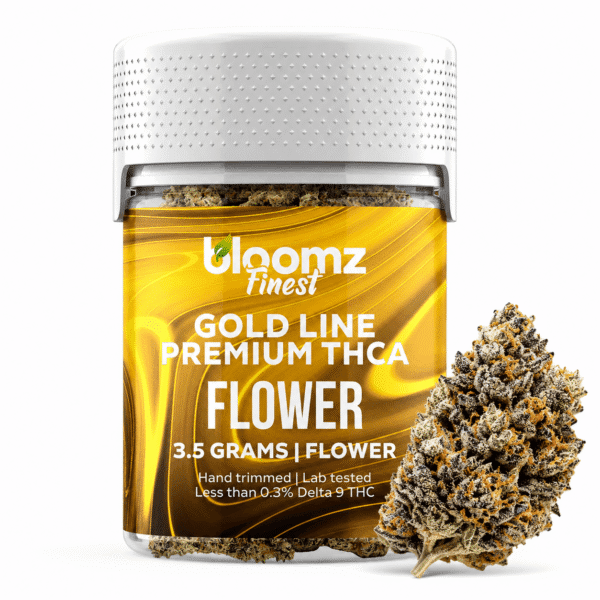
THCA Flower – Exotics – Gold Line
$37.99$89.99 -
THCA Flower – Mystery Reserve
$41.99$79.99 -
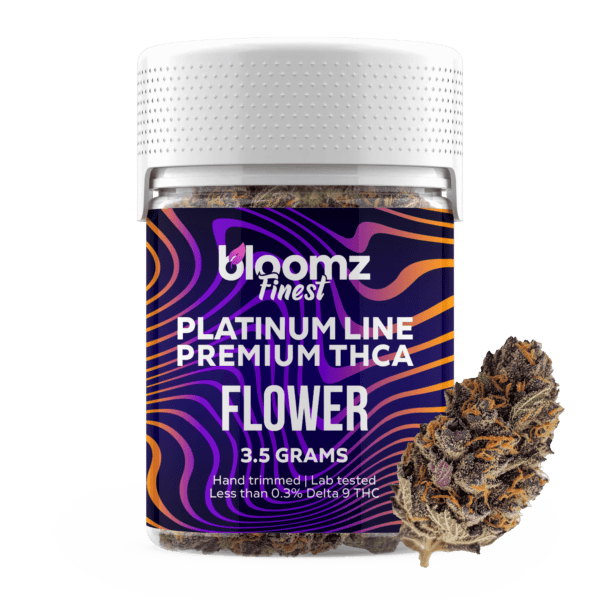
THCA Flower – Platinum Line
$47.99$79.99 -
THCA Smalls
$139.99$256.99


Why Phenotype Matters to Growers
For growers, phenotype determines:
How easy a plant is to manage
How much space it needs
How much it yields
How long it flowers
How resilient it is
A grower looking for commercial efficiency may prefer a short, dense, fast-finishing phenotype.
A boutique grower might hunt for rare terpene profiles over yield.
Phenotype selection defines cultivation strategy.
Why Phenotype Matters to Breeders
Breeders rely on phenotype selection to:
Improve traits
Fix weaknesses
Combine desirable characteristics
Create new stable lines
Without understanding phenotype, breeding would be random.
Each new generation is shaped by selecting specific phenotypes and crossing them strategically.
Over time, repeated selection strengthens desired traits.
The Role of Phenotype in Cannabis Innovation
Many modern cannabis trends — dessert strains, exotic terpene profiles, ultra-high THC varieties — exist because breeders selected unique phenotypes.
Every time someone finds a plant with:
A never-before-smelled terpene mix
Unusually high potency
Distinct coloration
They may be discovering a valuable phenotype.
Innovation in cannabis doesn’t happen by accident — it happens through selection.
Final Thoughts: Phenotype Is the Personality of the Plant
If genotype is the blueprint, phenotype is the personality.
It’s how the plant shows up in the world.
It explains:
Why seeds aren’t identical
Why clones are prized
Why strain names can be misleading
Why growers hunt for keepers
Why one batch feels different from another
Understanding phenotype helps you see cannabis not just as a product, but as a living, evolving organism shaped by genetics and environment.
Whether you’re a grower, breeder, budtender, or consumer, knowing what phenotype means gives you deeper insight into how cannabis truly works.
And the next time someone says, “That’s a different pheno,” you’ll know exactly what they mean
To Buy Cannabis Flower Click Here
Recommended products
-
Exotic THCA Smalls
$169.99$329.99 -
THCA + THC-P Flower
$47.99$89.99 -
THCA Flower
$27.99$79.99 -
THCA Pre-Rolls – 3-Pack/6-Pack
$30.99$59.99