In cannabis culture, language plays a major role in how people communicate about buying, using, and sharing products. Over time, a wide range of slang and informal terms have developed to describe different aspects of the cannabis experience, from product types to consumption methods and purchasing habits. One of these commonly used terms is “re-up,” a phrase that has become deeply embedded in both cannabis and broader street culture. While the word itself is simple, its meaning carries important context about supply, usage patterns, and consumer behavior. Understanding what a re-up is provides insight into how cannabis users manage their inventory, how purchasing cycles work, and how cannabis culture has evolved over time.
A re-up refers to the act of restocking cannabis after a person has run low or completely run out of their supply. In its simplest form, it means buying more cannabis to replace what has already been used. The term can be used as both a noun and a verb. For example, someone might say they “need to re-up,” meaning they are planning to purchase more cannabis soon, or they might refer to a “re-up” as the actual act of restocking itself. This term is widely used in casual conversation and reflects a routine part of cannabis consumption, especially for individuals who use cannabis regularly.
To Buy Cannabis Flower Click Here
Recommended products
-
Delta 8 THC Flower
$24.99$39.99 -
THC-P Flower
$29.99$43.99 -
Exotic THCA Pre-Rolls Gold Line – 3-Pack/6 Pack
$36.99$69.99

The concept of a re-up is closely tied to consumption habits. Just like any consumable product, cannabis is used over time, and eventually, the supply runs out. For some people, this process happens slowly, with occasional use stretching a small amount over a longer period. For others, particularly frequent consumers, cannabis may be used more quickly, requiring more frequent re-ups. This creates a cycle of purchasing, consuming, and restocking that becomes part of an individual’s routine. The frequency of re-ups can vary widely depending on factors such as tolerance, preferred consumption methods, and lifestyle.
Historically, the term “re-up” gained popularity during periods when cannabis was primarily obtained through informal or unregulated markets. In those contexts, re-upping often involved contacting a supplier or meeting with a dealer to purchase more cannabis. Because access to cannabis was less consistent than it is in many regulated markets today, re-upping could require planning and timing. Users might need to coordinate availability, location, and quantity, making the re-up process a more deliberate and sometimes unpredictable experience.
As cannabis legalization has expanded in various regions, the process of re-upping has changed significantly. In regulated markets, consumers can purchase cannabis from licensed dispensaries, often with consistent product availability and standardized pricing. This shift has made re-upping more convenient and predictable. Instead of relying on informal networks, consumers can visit a store, browse products, and choose from a variety of options. Despite these changes, the term “re-up” has remained part of the cultural vocabulary, bridging the gap between older cannabis traditions and modern retail environments.
The idea of a re-up is also influenced by purchasing strategies. Some consumers prefer to buy cannabis in small amounts and re-up frequently, allowing them to try different strains or products without committing to larger quantities. Others may choose to purchase in bulk, reducing the frequency of re-ups while potentially lowering the cost per unit. This decision often depends on personal preferences, budget considerations, and storage capabilities. Regardless of the approach, the re-up represents a key point in the consumption cycle where users reassess their needs and make new purchasing decisions.
Recommended products
-
THCA Snowballs – Gold Line
$57.99$89.99 -
THCA Moonrocks – Gold Line
$57.99$89.99 -
Blazed Exotic THCA Flower
$36.99$79.99 -
Blazed Strongest Exotic THCA Snow Caps
$58.99$93.99
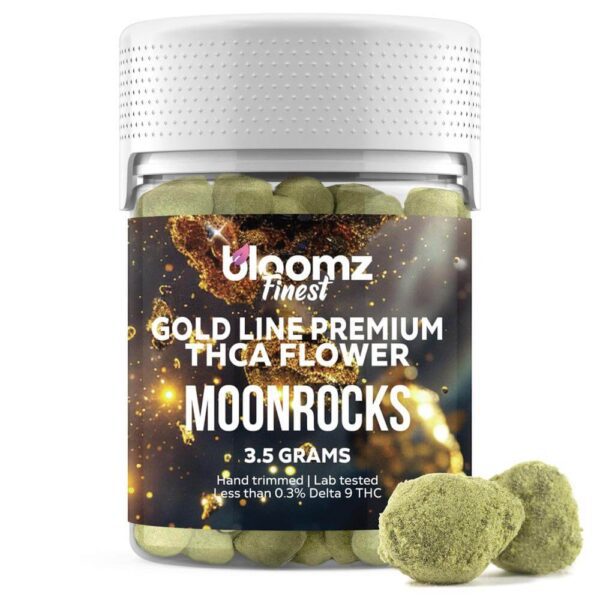
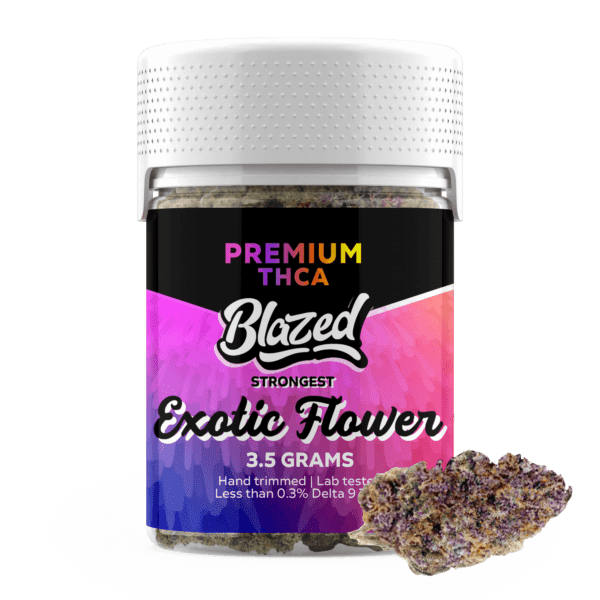
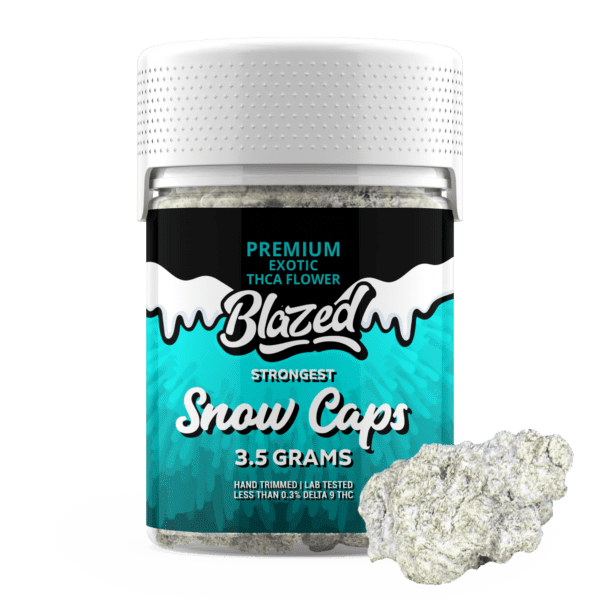
Re-ups are not limited to cannabis flower. The term can apply to any type of cannabis products, including concentrates, edibles, vape cartridges, tinctures, and topicals. As the variety of cannabis products has expanded, so has the range of items that consumers may need to restock. For example, someone who primarily uses vape cartridges may re-up by purchasing new cartridges, while another person who prefers edibles may restock gummies or infused beverages. This flexibility makes the term broadly applicable across different consumption preferences.
Another important aspect of re-upping is timing. Some consumers wait until they are completely out of cannabis before re-upping, while others prefer to restock before their supply runs out. This proactive approach can help avoid interruptions in availability, particularly for individuals who rely on cannabis as part of a regular routine. Timing can also be influenced by external factors such as dispensary hours, product availability, or promotional pricing. In regulated markets, sales and discounts may encourage consumers to re-up earlier than planned in order to take advantage of lower prices.
Storage and product longevity also play a role in re-up decisions. Cannabis can degrade over time if not stored properly, meaning that buying large quantities may require careful storage to maintain freshness and potency. Factors such as air exposure, light, heat, and humidity can affect the quality of cannabis products. As a result, some consumers prefer smaller, more frequent re-ups to ensure that their cannabis remains fresh. Others invest in proper storage solutions, such as airtight containers, to extend the shelf life of larger purchases.
The concept of a re-up can also intersect with social aspects of cannabis culture. In some cases, re-upping may involve purchasing cannabis for group settings or shared experiences. For example, friends may pool resources to re-up together, especially when planning social gatherings. This communal aspect reflects the role cannabis has historically played as a social substance, bringing people together in shared environments.
In addition to its practical meaning, the term “re-up” carries cultural significance. It reflects the normalization of cannabis use and the development of a shared vocabulary among consumers. Even as legal markets have introduced more formal terminology, slang terms like re-up continue to be widely used because they are simple, familiar, and rooted in the history of cannabis culture. This blending of informal language with modern retail systems highlights how cannabis culture continues to evolve while maintaining connections to its past.
From an industry perspective, understanding re-up behavior is important for retailers and brands. Consumer purchasing patterns, including how often people re-up and what products they choose, can provide valuable insights into market trends. For example, frequent re-ups may indicate strong product demand or high consumer engagement, while less frequent re-ups may suggest longer product lifespans or different consumption habits. Retailers often use this information to manage inventory, plan promotions, and tailor product offerings to meet consumer needs.
Recommended products
-
Exotic THCA Smalls
$169.99$329.99 -
THCA + THC-P Flower
$47.99$89.99 -
THCA Flower
$27.99$79.99 -
THCA Pre-Rolls – 3-Pack/6-Pack
$30.99$59.99
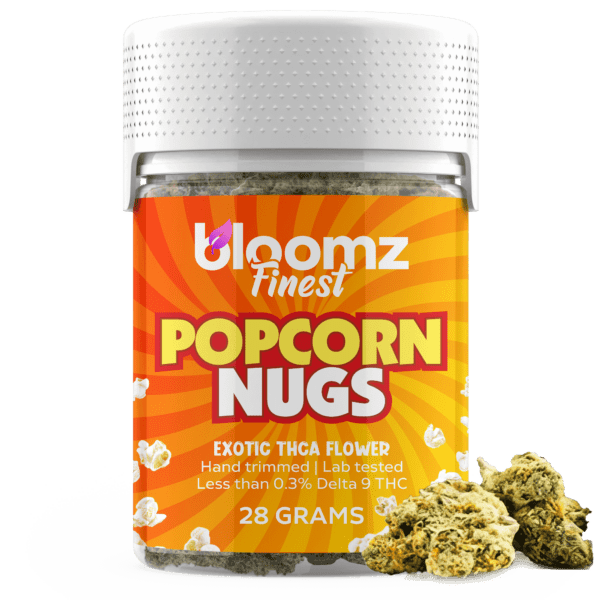
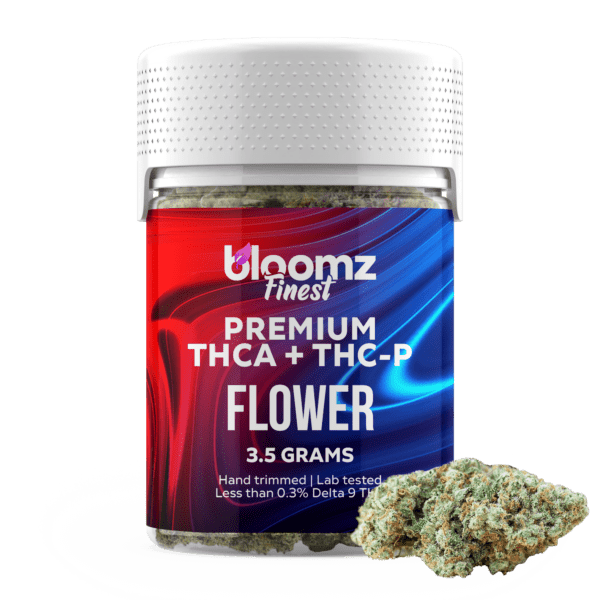
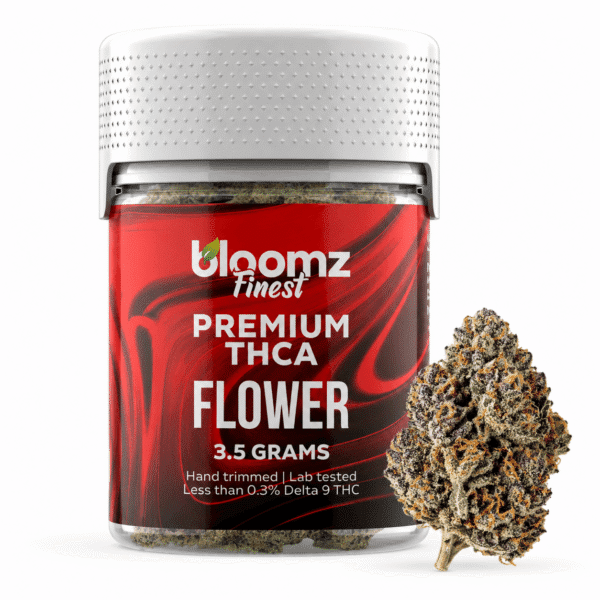
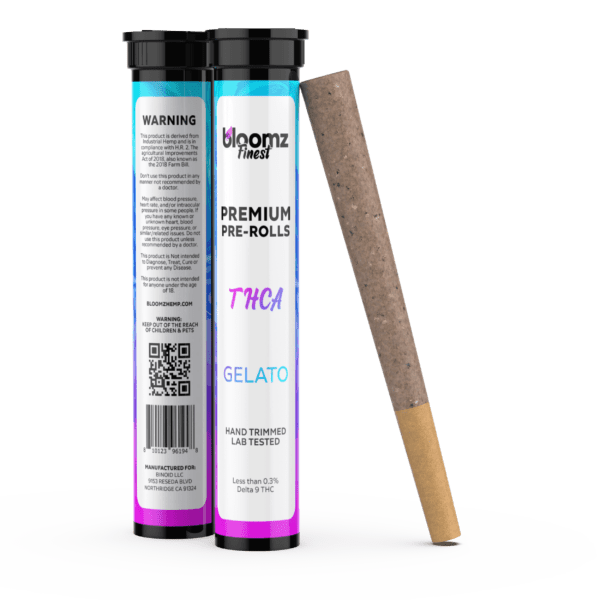
Re-up behavior can also be influenced by tolerance and consumption intensity. As individuals use cannabis more frequently, they may develop a higher tolerance, which can lead to increased consumption and more frequent re-ups. Conversely, individuals who use cannabis less often may require fewer re-ups. This relationship between tolerance and purchasing frequency is an important consideration for both consumers and industry professionals.
In modern cannabis markets, technology has also changed how people re-up. Online ordering, delivery services, and mobile apps have made it easier than ever to restock cannabis products without visiting a physical location. These tools allow consumers to browse menus, compare products, and place orders from the comfort of their homes. As a result, the re-up process has become faster and more convenient, further integrating cannabis into everyday routines.
Despite these advancements, the fundamental idea behind a re-up remains the same. It represents the point at which a consumer recognizes the need to replenish their supply and takes action to do so. Whether through a dispensary visit, an online order, or another method, the re-up is a consistent part of the cannabis consumption cycle.
In conclusion, a re-up is the act of restocking cannabis after a supply has been used or depleted. While simple in definition, the term reflects a wide range of factors, including consumption habits, purchasing strategies, storage considerations, and cultural influences. From its origins in informal markets to its continued use in modern legal systems, the concept of a re-up highlights the ongoing relationship between consumers and cannabis. As the industry continues to evolve, the re-up remains a familiar and essential part of the cannabis experience, representing both routine behavior and cultural continuity.
To Buy Cannabis Flower Click Here
Recommended products
-
THCA Smalls
$139.99$256.99 -
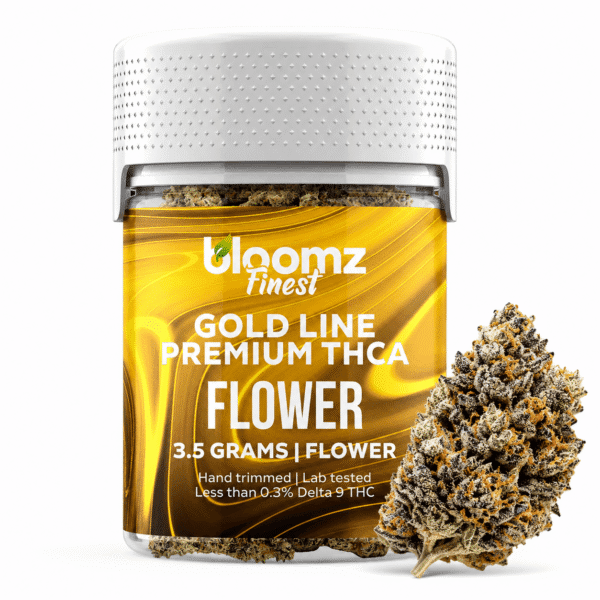
THCA Flower – Exotics – Gold Line
$37.99$89.99 -
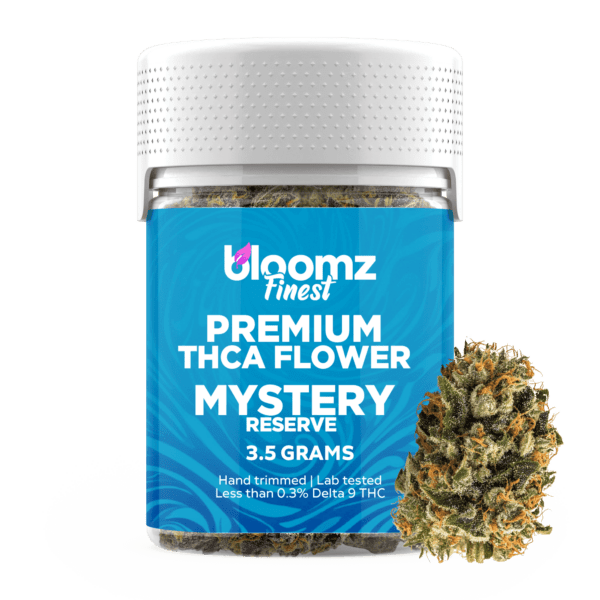
THCA Flower – Mystery Reserve
$41.99$79.99 -
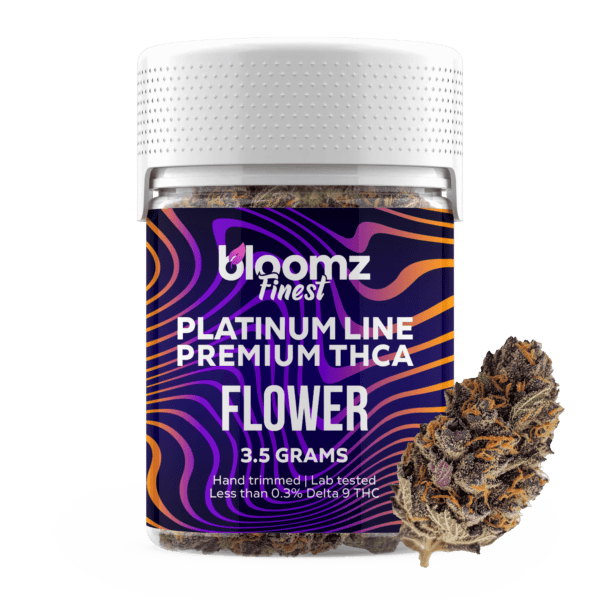
THCA Flower – Platinum Line
$47.99$79.99