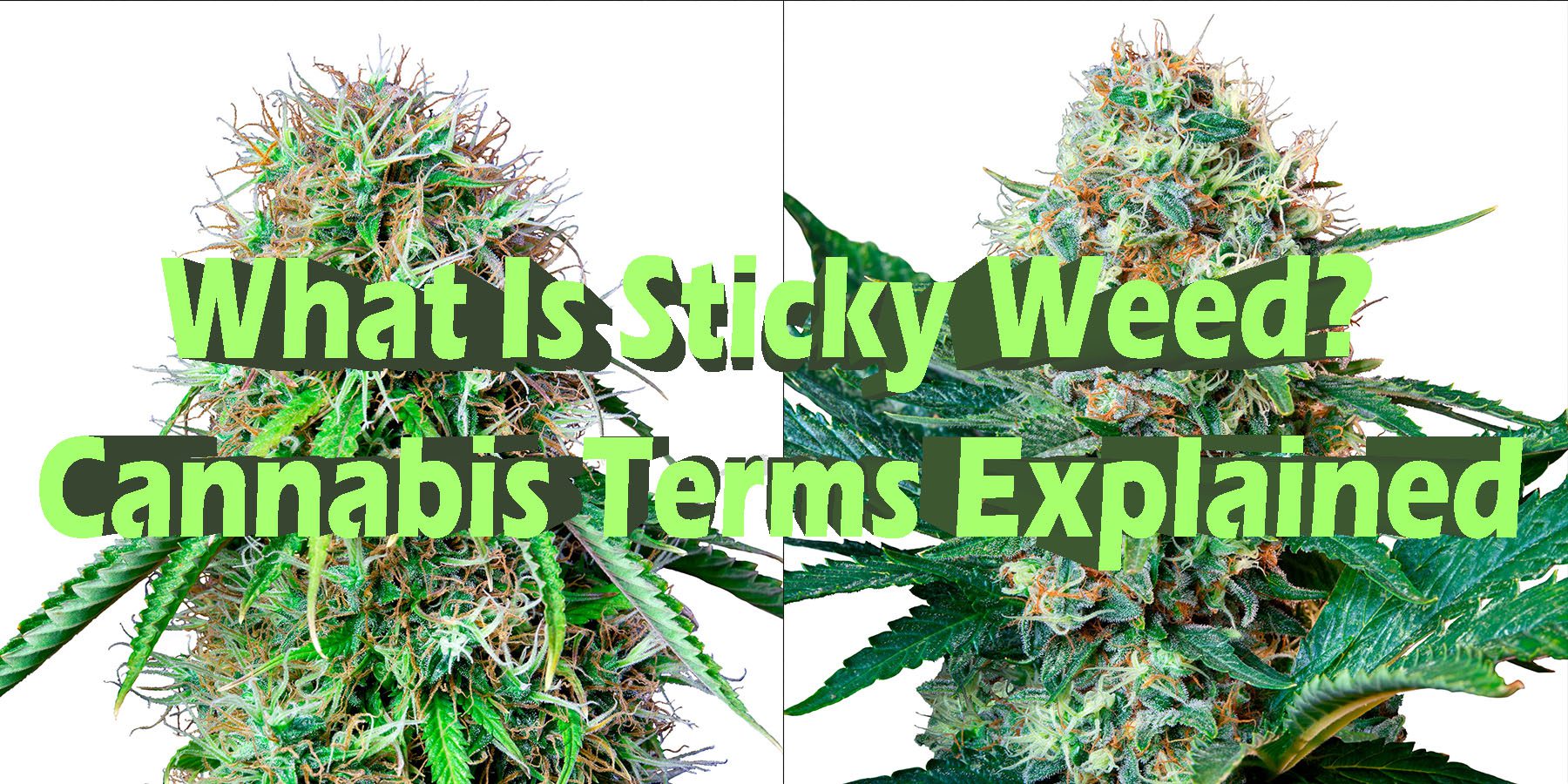
Cannabis consumers often describe high-quality flower using a variety of sensory terms, and one of the most common is “sticky weed.” If you have ever handled fresh, potent cannabis buds, you may have noticed that they feel slightly tacky or adhesive to the touch. This texture is not accidental; it is the result of the plant’s natural chemistry and its production of resin-filled glands called trichomes. Sticky cannabis is widely associated with potency, freshness, and terpene richness, making it an important concept for both new and experienced consumers to understand.
In this article, we will explore what sticky weed means in the cannabis world, why certain cannabis flower feel sticky, how trichomes and resin contribute to this quality, and how stickiness relates to potency, freshness, terpene content, and cultivation practices. By the end, you will have a deeper understanding of why sticky weed is often considered a sign of premium cannabis flower.
To Buy Cannabis Flower Click Here
Recommended products
-
Delta 8 THC Flower
$24.99$39.99 -
THC-P Flower
$29.99$43.99 -
Exotic THCA Pre-Rolls Gold Line – 3-Pack/6 Pack
$36.99$69.99
Understanding the Meaning of Sticky Weed
Sticky weed is a slang term used to describe cannabis buds that feel tacky or resinous when touched. When someone breaks apart a sticky nug, their fingers may feel coated with a thin layer of plant resin. In some cases, the buds may even slightly adhere to your fingers or grinder due to this natural stickiness.
This stickiness comes primarily from cannabis resin, a complex mixture of cannabinoids, terpenes, flavonoids, and other organic compounds produced by the plant. These compounds accumulate in microscopic structures known as trichomes, which cover the surface of mature cannabis flowers.
When trichomes are abundant and well-developed, they create a resin-rich layer on the bud. This layer gives the flower its characteristic sticky feel. As a result, sticky weed is often used informally as a quick indicator of cannabis quality.
However, it is important to understand that stickiness alone does not determine potency or overall quality. Instead, it is one piece of the broader picture that includes cannabinoid levels, terpene content, curing quality, and cultivation practices.
The Role of Trichomes in Sticky Cannabis
To understand sticky weed, it is essential to understand trichomes. Trichomes are tiny, hair-like glands that develop on the surface of cannabis plants, especially on the flowers. These structures are responsible for producing and storing the plant’s resin.
Trichomes serve several biological functions for the cannabis plant. They help protect the plant from pests, ultraviolet radiation, and environmental stress. The resin they produce contains aromatic terpenes and bitter compounds that deter insects and herbivores from consuming the plant.
There are several types of trichomes found on cannabis plants, but the most important for cannabinoid production are capitate-stalked trichomes. These glands have a bulbous head filled with resin containing cannabinoids such as THC, CBD, and other compounds.
When cannabis plants reach maturity, the trichomes become densely packed across the surface of the buds. Under magnification, these glands resemble tiny crystals or frost. When touched, the resin inside these trichomes can create the sticky sensation that cannabis users describe.
The greater the concentration of mature trichomes, the more resin the flower contains. This often translates into stronger aromas, richer flavors, and potentially higher cannabinoid potency.
Why Some Cannabis Buds Are Stickier Than Others
Not all cannabis flower feels equally sticky. Several factors influence the level of stickiness a bud may have, including genetics, cultivation methods, harvest timing, and post-harvest processing.
Genetics and Strain Characteristics
Cannabis genetics play a major role in resin production. Certain strains are naturally bred to produce more trichomes and resin than others. These strains are often referred to as “resinous” or “frosty.”
High-resin strains are commonly selected by cultivators because they produce more cannabinoids and terpenes, which contribute to both potency and flavor. These strains also tend to be preferred for concentrate production because the resin can be extracted more efficiently.
Growing Conditions
Environmental factors during cultivation also influence resin production. Cannabis plants grown under optimal lighting, temperature, and nutrient conditions often produce higher levels of trichomes.
Strong light exposure, especially in indoor grow environments, can stimulate the plant to produce more resin as a protective response. Similarly, certain stress factors, such as controlled temperature variations, may encourage trichome development in some cases.
Harvest Timing
The timing of harvest is another critical factor. Cannabis trichomes develop and mature over time. As they mature, their chemical composition changes.
Harvesting the plant when trichomes are fully developed ensures maximum resin content. If harvested too early, the buds may contain fewer trichomes and feel less sticky.
Many experienced cultivators examine trichomes under magnification to determine the ideal harvest window.
Drying and Curing
Post-harvest processes like drying and curing significantly affect the final texture of cannabis buds. Proper curing allows moisture levels within the flower to stabilize while preserving terpenes and cannabinoids.
If cannabis is over-dried, it can become brittle and lose its sticky feel. Conversely, properly cured cannabis retains a balanced moisture content that helps preserve the resin’s tacky texture.
Recommended products
-
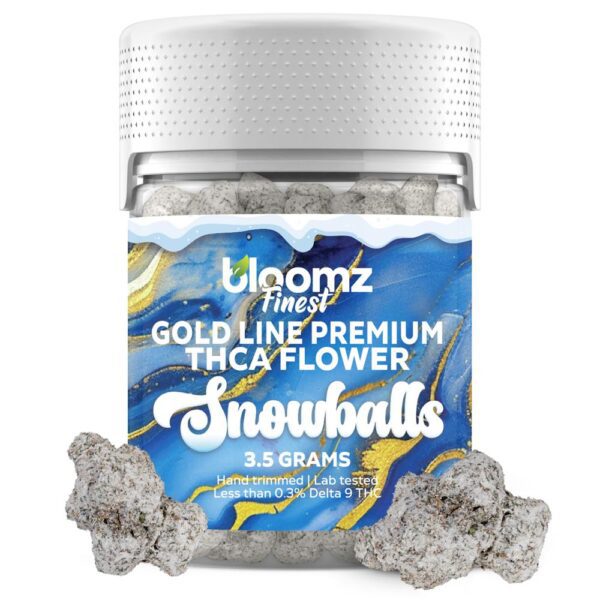
THCA Snowballs – Gold Line
$57.99$89.99 -
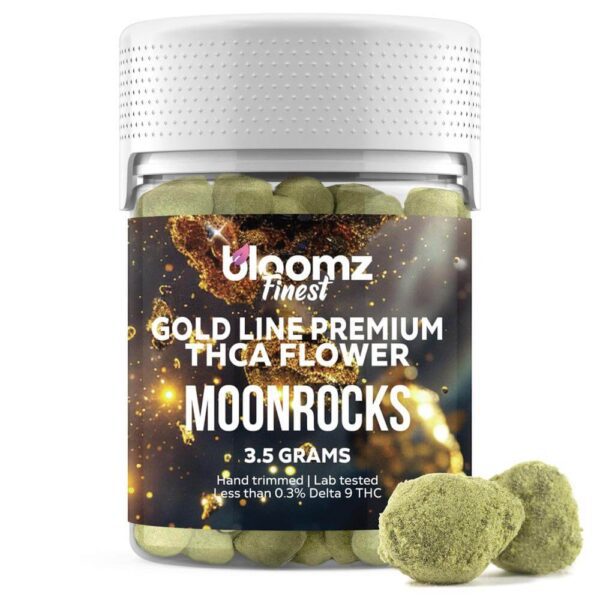
THCA Moonrocks – Gold Line
$57.99$89.99 -
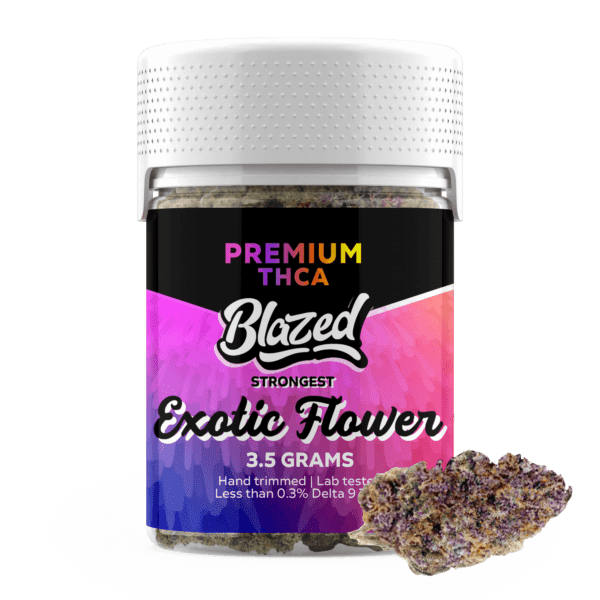
Blazed Exotic THCA Flower
$36.99$79.99 -
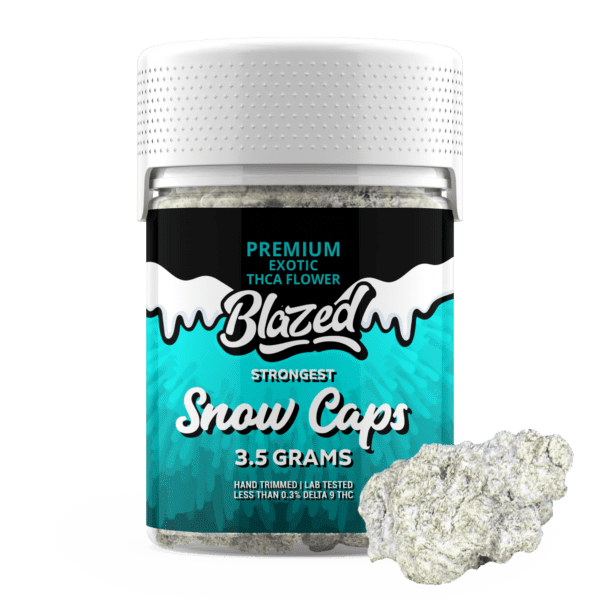
Blazed Strongest Exotic THCA Snow Caps
$58.99$93.99
Sticky Weed and Potency
One of the reasons sticky weed is highly valued is its association with potency. Because stickiness comes from resin, and resin contains cannabinoids like THC, sticky buds are often assumed to be stronger.
While this assumption can sometimes be correct, stickiness alone is not a reliable measure of potency. The actual strength of cannabis depends on the concentration of cannabinoids within the resin, not simply the amount of resin present.
For example, a sticky bud may contain moderate THC levels but high terpene content, giving it a strong aroma and sticky texture. Meanwhile, another bud might have extremely high THC levels but feel slightly less sticky due to different curing conditions.
The most accurate way to determine potency is through laboratory testing, which measures cannabinoid concentrations directly.
The Relationship Between Stickiness and Terpenes
Terpenes are aromatic compounds responsible for the distinctive smell and flavor of cannabis. These compounds are produced alongside cannabinoids within trichomes.
Many terpene molecules have oily or viscous characteristics. Because of this, cannabis flowers with high terpene content may feel particularly sticky or resinous.
Terpene-rich cannabis often produces strong aromas, such as citrus, pine, fruit, or earthiness. When breaking apart a sticky nug, consumers may notice an intense burst of fragrance as the trichomes rupture and release their aromatic compounds.
This relationship between stickiness and terpene concentration is one reason sticky cannabis is often associated with flavorful and aromatic flower.
Sticky Weed vs Dry Weed
One of the easiest ways to evaluate cannabis quality is by comparing sticky buds to overly dry buds.
Dry cannabis tends to crumble easily and may break apart into powder when handled. This usually indicates that the flower has lost too much moisture during storage or curing. Overly dry cannabis can lose terpene content, which diminishes aroma and flavor.
Sticky cannabis, on the other hand, generally maintains a balanced moisture level and intact trichomes. When gently squeezed, the bud may compress slightly but spring back into shape.
However, it is important to distinguish between healthy stickiness and excessive moisture. Cannabis that feels wet, spongy, or damp may not have been dried properly and could be at risk of mold contamination.
Properly cured cannabis strikes a balance between dryness and resinous stickiness.
How to Identify Sticky Weed
Experienced cannabis consumers often evaluate flower using multiple sensory cues. Stickiness is just one part of the process.
When assessing cannabis buds, people may look for:
-
Visible trichome coverage that gives the flower a frosty appearance
-
A strong aroma released when the bud is broken apart
-
A slightly tacky feel when handling the flower
-
Dense yet slightly springy bud structure
These qualities often indicate a well-grown and properly cured cannabis products.
Sticky buds may also leave a faint residue on fingers after handling, which is the plant’s resin transferring from the trichomes.
Sticky Weed and Cannabis Concentrates
The resin responsible for sticky weed is also the raw material used to create cannabis concentrates. Products such as hash, rosin, and live resin are made by extracting the trichomes from cannabis flower.
Because of this, cultivators who produce cannabis for concentrate production often select strains known for extremely sticky and resin-rich buds.
High-resin cannabis can produce greater yields during extraction processes. This is why many popular concentrate strains are famous for their sticky texture.
In some cases, cannabis flower may be intentionally bred for maximum resin production, resulting in exceptionally sticky buds that are ideal for extraction.
Recommended products
-
Exotic THCA Smalls
$169.99$329.99 -
THCA + THC-P Flower
$47.99$89.99 -
THCA Flower
$27.99$79.99 -
THCA Pre-Rolls – 3-Pack/6-Pack
$30.99$59.99
Storage and Preserving Sticky Cannabis
Maintaining the sticky quality of cannabis requires proper storage conditions. Exposure to air, light, heat, and fluctuating humidity can degrade cannabinoids and terpenes over time.
To preserve cannabis quality, many consumers store their flower in airtight containers placed in cool, dark environments. Glass jars with humidity control packs are commonly used to maintain ideal moisture levels.
Proper storage helps prevent the flower from becoming overly dry or losing its terpene-rich resin layer.
When cannabis is stored correctly, its sticky texture and aromatic qualities can remain intact for extended periods.
Misconceptions About Sticky Weed
Although sticky weed is often associated with high-quality cannabis, several misconceptions exist about what stickiness actually means.
One common myth is that stickiness automatically indicates extremely high THC content. As discussed earlier, resin production and cannabinoid concentration are related but not identical factors.
Another misconception is that stickiness always indicates freshness. While fresh cannabis can be sticky, improperly dried cannabis may also feel sticky due to excess moisture rather than resin.
Finally, some consumers believe that extremely sticky cannabis is always better. In reality, cannabis quality depends on many variables, including terpene complexity, cannabinoid balance, cultivation practices, and curing methods.
Stickiness is simply one indicator among many.
Why Sticky Weed Is Popular Among Consumers
Despite these nuances, sticky cannabis continues to be widely appreciated by consumers. The tactile experience of handling resin-rich flower contributes to the overall sensory appeal of cannabis.
Sticky buds are often associated with strong aromas, flavorful smoke, and visually appealing trichome coverage. These qualities can enhance the overall consumption experience.
For many enthusiasts, breaking apart a sticky nug that releases a powerful terpene aroma is a sign that the flower has been cultivated and cured with care.
Because of this, sticky weed remains a widely recognized indicator of premium cannabis in dispensaries and consumer culture.
Conclusion
Sticky weed is a common term used to describe cannabis flower that feels resinous or tacky to the touch. This texture results primarily from the presence of trichomes, the microscopic glands responsible for producing cannabinoids and terpenes.
While sticky cannabis is often associated with potency, aroma, and quality, it is only one factor among many that determine the overall value of a cannabis product. Genetics, cultivation practices, harvest timing, curing methods, and storage conditions all influence whether a cannabis bud feels sticky.
Understanding what causes stickiness in cannabis can help consumers better evaluate the flower they purchase and appreciate the plant’s natural chemistry. Resin production not only contributes to the tactile feel of cannabis but also plays a central role in the flavor, aroma, and effects that make cannabis such a unique botanical.
For both new and experienced consumers, learning about sticky weed provides valuable insight into how cannabis quality is shaped from cultivation to consumption.
To Buy Cannabis Flower Click Here
Recommended products
-
THCA Flower – Exotics – Gold Line
$37.99$89.99 -
THCA Flower – Platinum Line
$47.99$79.99 -
THCA Flower – Mystery Reserve
$41.99$79.99 -
THCA Smalls
$139.99$256.99