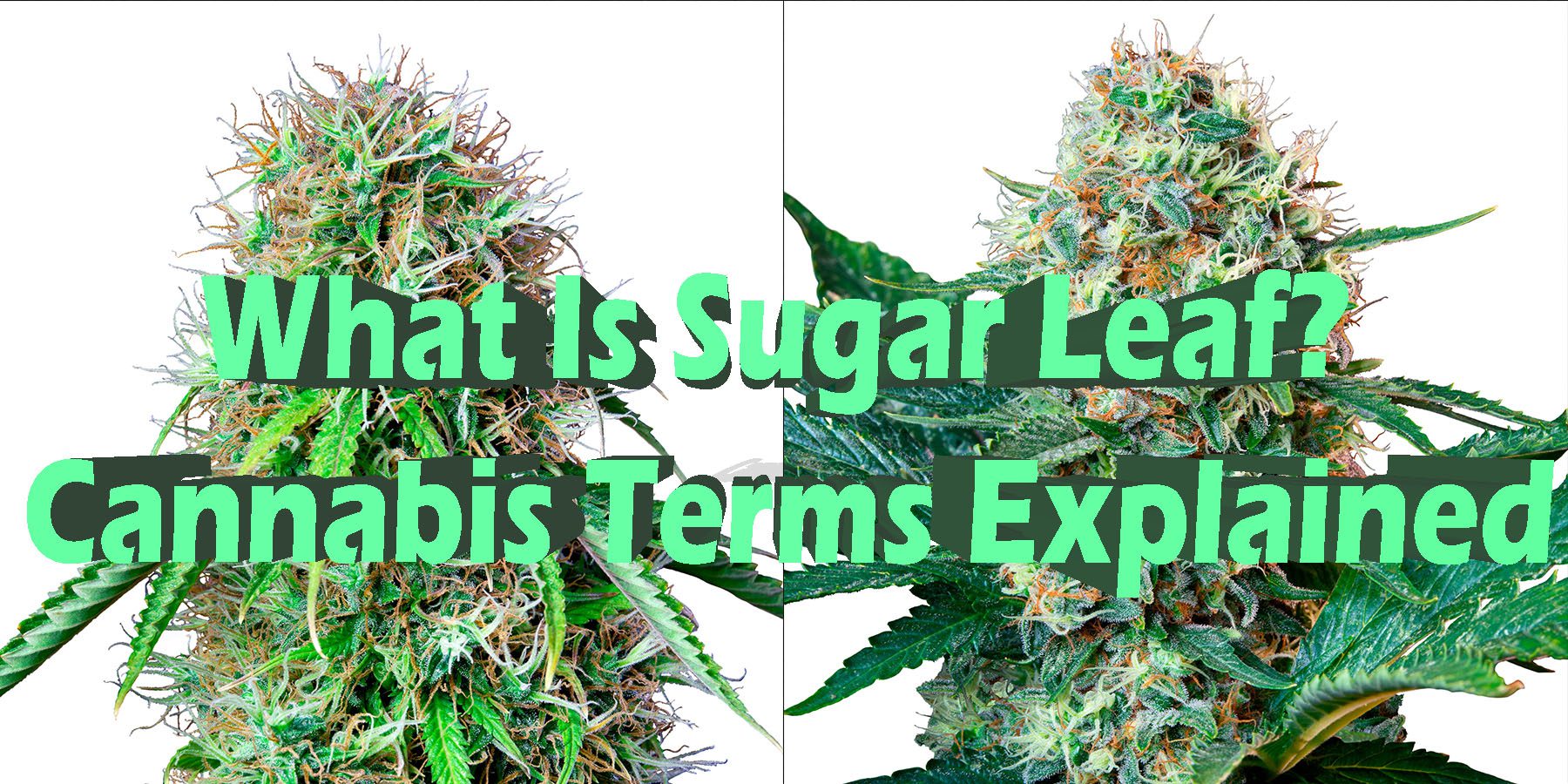
If you have ever examined a cannabis flower closely, you may have noticed small leaves protruding from the bud itself, often dusted with shimmering trichomes that give them a sparkling, sugar‑coated appearance. These leaves are known as sugar leaves, and while they are sometimes overlooked compared to dense flower buds, they play an important biological, chemical, and commercial role in cannabis cultivation and production.
Understanding sugar leaves requires more than just recognizing their appearance. They are directly connected to resin production, cannabinoid concentration, extraction potential, trimming practices, and even market grading standards. In this article, we will explore what sugar leaves are, how they differ from fan leaves, their chemical composition, their value in extraction, how cultivators manage them during harvest, and how consumers should evaluate them.
By the end, you will understand why sugar leaves are far more significant than they might first appear.
To Buy Cannabis Flower Click Here
Recommended products
-
Delta 8 THC Flower
$24.99$39.99 -
THC-P Flower
$29.99$43.99 -
Exotic THCA Pre-Rolls Gold Line – 3-Pack/6 Pack
$36.99$69.99

Defining Sugar Leaves
Sugar leaves are the small leaves that grow directly out of cannabis buds during the flowering phase. Unlike large fan leaves that extend outward from the plant’s stems and branches, sugar leaves are embedded within the flower structure itself.
They get their name from their frosty appearance. These leaves are often covered in trichomes — the resin-producing glands responsible for cannabinoids and terpenes — giving them a crystalline coating that resembles sugar sprinkled on candy.
Because sugar leaves grow tightly within the bud, they are often partially trimmed during harvest to improve appearance, smoothness, and smoke quality. However, they are rarely discarded entirely due to their resin content.
Sugar Leaves vs. Fan Leaves
To understand sugar leaves properly, it is important to differentiate them from fan leaves.
Fan leaves:
-
Large, iconic cannabis leaves with multiple blades
-
Primarily responsible for photosynthesis
-
Generally low in trichome density
-
Typically removed before or during harvest
-
Minimal cannabinoid concentration
Sugar leaves:
-
Smaller leaves growing from within buds
-
High trichome density
-
Contain measurable cannabinoid content
-
Often partially trimmed but saved for processing
-
Contribute to aroma and resin production
While fan leaves function as the plant’s energy producers during vegetative growth, sugar leaves develop during flowering and are more closely associated with resin production.
The Biology Behind Sugar Leaves
Sugar leaves emerge as the plant transitions from vegetative growth to the flowering stage. During flowering, the plant reallocates energy toward reproduction, producing buds that contain high concentrations of trichomes.
Sugar leaves are structurally part of the flower cluster. They help support the bud and may contribute to protecting reproductive structures. Because they sit so close to cannabinoid-producing trichomes, they themselves become coated in resin.
Trichomes on sugar leaves are primarily capitate-stalked trichomes — the same type found on buds. This explains why sugar leaves can be sticky, aromatic, and chemically active.
Chemical Composition of Sugar Leaves
Although sugar leaves do not contain as high a concentration of cannabinoids as dense flower buds, they are far from chemically inactive.
Sugar leaves contain:
-
THCA (which converts to THC when heated)
-
CBDA (converts to CBD)
-
Minor cannabinoids such as CBG and CBC
-
Terpenes
-
Flavonoids
-
Plant waxes and lipids
The concentration of cannabinoids on sugar leaves is typically lower than on the calyx-rich bud itself, but still significant enough to justify processing.
Recommended products
-
THCA Snowballs – Gold Line
$57.99$89.99 -
THCA Moonrocks – Gold Line
$57.99$89.99 -
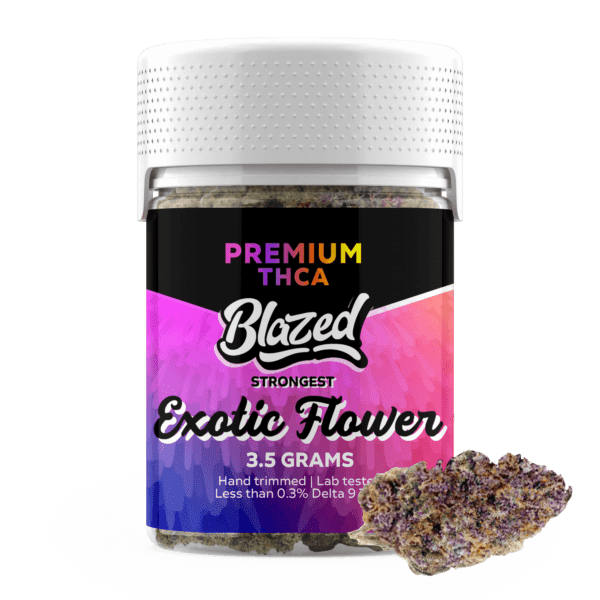
Blazed Exotic THCA Flower
$36.99$79.99 -
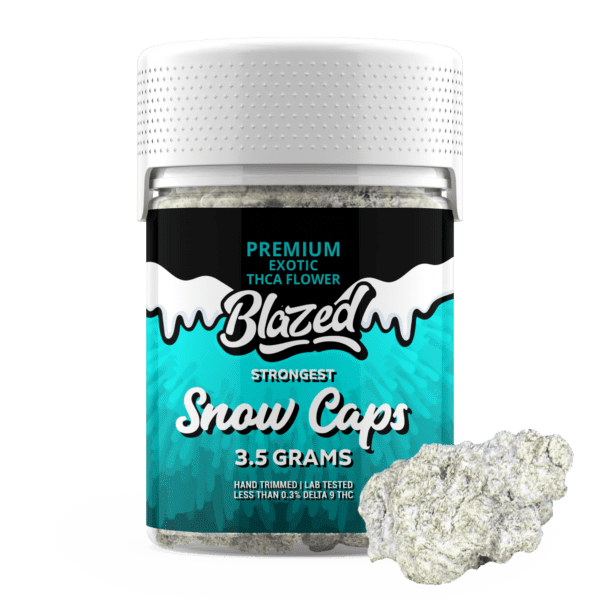
Blazed Strongest Exotic THCA Snow Caps
$58.99$93.99
Cannabinoid Density and Distribution
Cannabinoids are produced in trichomes, not in the plant tissue itself. This means sugar leaves with heavy trichome coverage may contain meaningful cannabinoid levels.
However, cannabinoid density depends on:
-
Genetics
-
Cultivation environment
-
Harvest timing
-
Post-harvest handling
Laboratory testing often reveals that sugar leaf trim contains measurable THC levels, though generally less than fully formed flower buds.
Why Growers Trim Sugar Leaves
After harvest, cannabis undergoes trimming. There are two primary trimming styles:
Wet trimming – Leaves are trimmed immediately after harvest.
Dry trimming – Buds are dried first, then trimmed.
Growers trim sugar leaves for several reasons:
-
Aesthetic appeal – Consumers prefer tightly manicured buds.
-
Smoke smoothness – Excess leaf material can create a harsher smoke.
-
Improved flavor – Concentrated flower material enhances terpene expression.
-
Reduced chlorophyll content – Leaves contain more chlorophyll, which can taste grassy if not cured properly.
High-end flower is usually carefully trimmed to leave only minimal sugar leaf exposure.
The Role of Sugar Leaves in Extraction
One of the most important uses of sugar leaves is in concentrate production.
Because sugar leaves are coated in trichomes, they are commonly used for:
-
Dry sift hash
-
Ice water hash
-
Rosin pressing
-
Hydrocarbon extraction
-
Ethanol extraction
-
Infused pre-roll production
Trim from sugar leaves can be processed into concentrates, edibles, tinctures, or vape extracts. This makes sugar leaf material economically valuable rather than waste.
Sugar Leaves in Solventless Extraction
In solventless methods like dry sift or ice water extraction, trichomes are physically separated from plant material.
Sugar leaves are ideal for this process because:
-
They have surface trichomes that can detach easily.
-
They contain fewer large leaf structures compared to fan leaves.
-
They produce decent yield when properly frozen and agitated.
High-quality hash can sometimes originate from well-preserved sugar leaf trim.
Recommended products
-
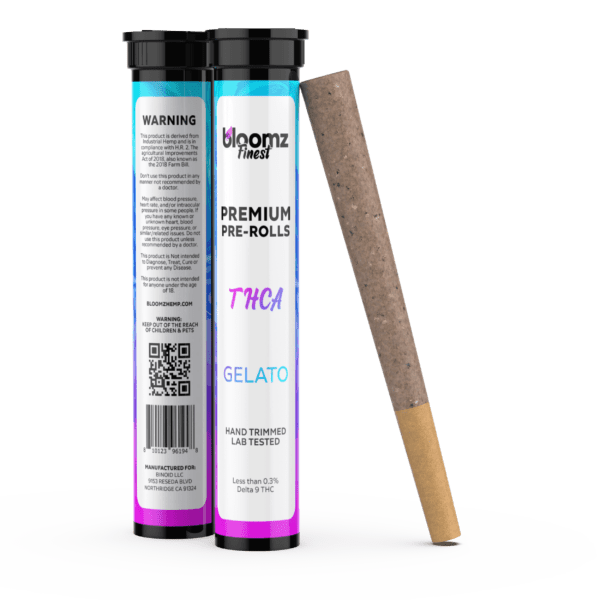
Exotic THCA Pre-Rolls Gold Line – 3-Pack/6 Pack
$36.99$69.99 -
THCA Pre-Rolls – 3-Pack/6-Pack
$30.99$59.99
Sugar Leaves in Solvent-Based Extraction
Hydrocarbon and ethanol extraction processes dissolve cannabinoids and terpenes from plant matter.
Sugar leaf trim is commonly used because:
-
It is more cost-effective than premium flower.
-
It still contains active compounds.
-
It can produce acceptable concentrate yields.
However, extraction from trim may produce slightly darker oil due to higher plant wax and chlorophyll content.
Sugar Leaf and Market Grading
Cannabis flower is graded based on:
-
Trichome density
- Bud density
-
Trim quality
-
Aroma
-
Moisture content
Heavily untrimmed buds with visible sugar leaves may be graded lower in retail settings. However, some consumers prefer minimal trimming, believing it preserves trichomes.
Premium flower usually features tight trimming with only a slight sugar leaf presence.
Cultivation Factors Affecting Sugar Leaves
The development and resin density of sugar leaves depend on:
Genetics
Certain strains naturally produce more prominent sugar leaves.
Light Intensity
High light levels encourage resin production.
UV Exposure
Mild UV stress can increase trichome density.
Nutrient Management
Balanced flowering nutrients support trichome formation.
Temperature and Humidity
Controlled environments prevent trichome degradation.
Harvest Timing and Sugar Leaf Quality
Trichome maturity affects sugar leaf chemistry.
Clear trichomes indicate early harvest.
Milky trichomes indicate peak THC levels.
Amber trichomes indicate cannabinoid degradation into CBN.
Sugar leaves harvested at optimal maturity can be chemically rich and ideal for extraction.
Post-Harvest Handling and Preservation
Improper handling can damage sugar leaves.
Excessive agitation may knock off trichome heads.
Improper drying can cause mold or terpene loss.
Overdrying can make trim brittle and reduce extraction efficiency.
Controlled drying (60°F, 60% humidity) preserves resin integrity.
Laboratory Testing of Sugar Leaf Material
When used for processing, sugar leaf trim may undergo lab testing for:
-
Total cannabinoids
-
Terpene profile
-
Pesticide residue
-
Microbial contamination
-
Heavy metals
Testing ensures compliance with state regulations and consumer safety standards.
Regulatory Considerations
Cannabis regulations often classify sugar leaf trim differently from flower.
In some jurisdictions:
-
Trim is sold at a lower tax rate.
-
Trim must still pass contamination testing.
-
Packaging must identify cannabinoid content accurately.
Processors must track trim through seed-to-sale systems in regulated markets.
Recommended products
-
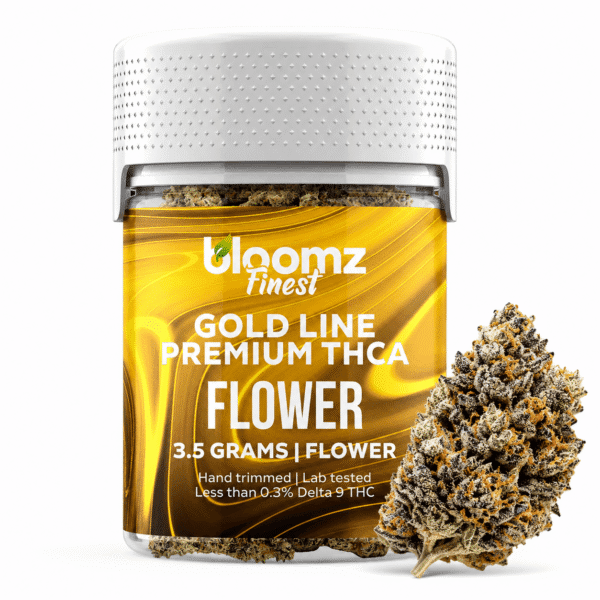
THCA Flower – Exotics – Gold Line
$37.99$89.99 -
THCA Flower – Mystery Reserve
$41.99$79.99 -
THCA Flower – Platinum Line
$47.99$79.99 -
THCA Smalls
$139.99$256.99
Misconceptions About Sugar Leaves
-
Sugar leaves are waste.
They are valuable for extraction and infused products. -
Sugar leaves contain no THC.
They contain measurable cannabinoids due to trichomes. -
Untrimmed buds are always inferior.
Some consumers prefer less manicured flower. -
Sugar leaves cause harsh smoke automatically.
Proper curing reduces chlorophyll harshness.
Sugar Leaves and Sustainability
Using sugar leaf trim for extraction reduces waste in cannabis production.
Instead of discarding trim:
-
It can become concentrates.
-
It can be infused into pre-rolls.
-
It can be used in edibles.
-
It can be processed into tinctures.
This improves overall efficiency and profitability in cultivation operations.
Indoor vs Outdoor Sugar Leaves
Indoor cultivation tends to produce:
-
Cleaner trim
-
More consistent trichome coverage
-
Reduced environmental contamination
Outdoor sugar leaves may show:
-
Environmental debris
-
Slightly lower resin consistency
-
Variable trichome preservation
Greenhouse grows balance both approaches.
Economic Value of Sugar Leaves
Trim can represent a significant revenue stream.
Large cultivation facilities produce hundreds of pounds of trim. When processed into concentrates, this material contributes substantially to overall profitability.
Instead of being a byproduct, sugar leaves are part of the full production ecosystem.
Consumer Perspective
If you purchase flower and notice sugar leaves:
-
A small amount is normal.
-
Excessive leaf material may indicate lower trim quality.
-
Frosty sugar leaves may still contribute to potency.
-
Aroma and lab testing matter more than perfect manicure.
Consumers interested in making edibles or concentrates may even prefer purchasing trim when legally available.
Future Trends
Modern cultivation increasingly focuses on:
-
Genetic selection for high trichome density
-
Improved trimming automation
-
More efficient extraction from trim
-
Data-driven cannabinoid mapping
-
Sustainable full-plant utilization
As extraction technology improves, sugar leaf trim will continue playing an important role in cannabis manufacturing.
Final Thoughts
Sugar leaves are the small, trichome-covered leaves that grow directly within cannabis buds. While often trimmed for aesthetic and smoking quality reasons, they are far from useless. These resin-coated leaves contain cannabinoids and terpenes, making them valuable for concentrate production and infused products.
Their development depends on genetics, light, nutrient balance, and environmental conditions. Proper harvesting and curing preserve their chemical integrity, while laboratory testing ensures safety and potency.
Understanding sugar leaves helps consumers better evaluate flower quality and helps cultivators maximize plant efficiency. Rather than being discarded, sugar leaves represent a critical link between raw flower production and the expanding world of cannabis concentrates and infused goods.
In modern cannabis production, sugar leaves are not waste — they are opportunity
To Buy Cannabis Flower Click Here
Recommended products
-
Exotic THCA Smalls
$169.99$329.99 -
THCA + THC-P Flower
$47.99$89.99 -
THCA Flower
$27.99$79.99 -
THCA Pre-Rolls – 3-Pack/6-Pack
$30.99$59.99