If cannabinoids like THC and CBD are the engine of cannabis, terpenes are the steering wheel. They shape aroma, influence flavor, and may even help guide the overall experience of a strain. But what exactly is terpene profiling, and why has it become such an important part of modern cannabis science and product development?
In simple terms, terpene profiling is the laboratory analysis of the aromatic compounds found in cannabis. It identifies which terpenes are present and in what concentrations. This information helps cultivators, extractors, brands, and consumers better understand how a product may smell, taste, and potentially feel.
Let’s break it down step by step.
To Buy Cannabis Flower Click Here
Recommended products
-
Delta 8 THC Flower
$24.99$39.99 -
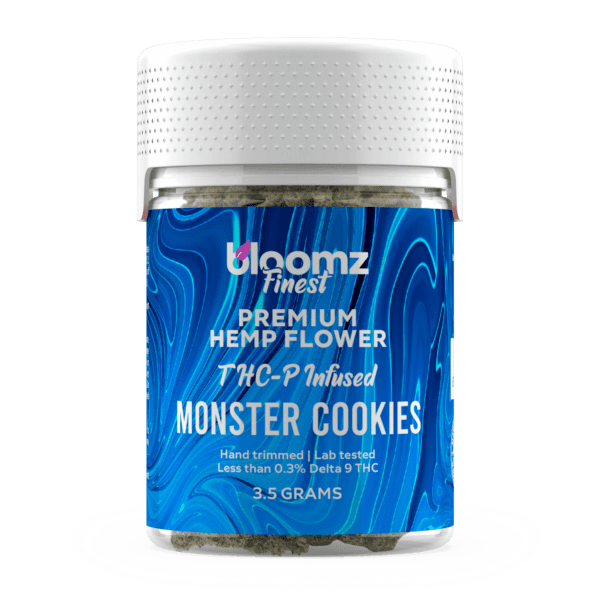
THC-P Flower
$29.99$43.99 -
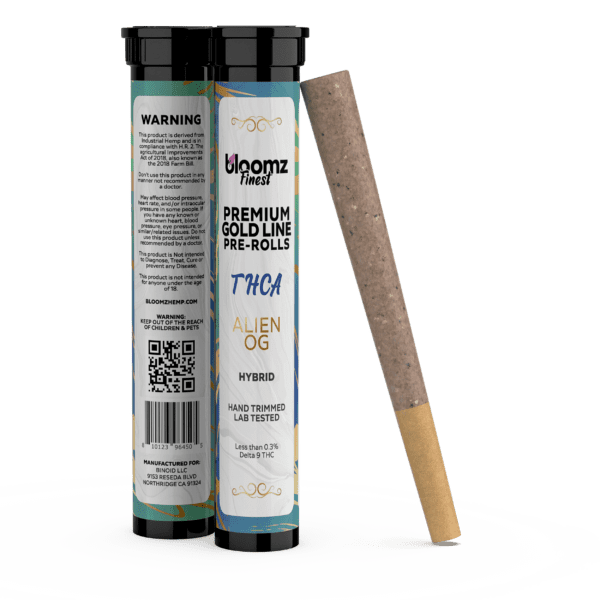
Exotic THCA Pre-Rolls Gold Line – 3-Pack/6 Pack
$36.99$69.99
What Are Terpenes?
Terpenes are naturally occurring aromatic compounds found in many plants, not just cannabis. They’re responsible for the distinctive scents of pine forests, citrus peels, lavender fields, and fresh herbs.
In cannabis, terpenes are produced in the same glandular trichomes that create cannabinoids like THC and CBD. These microscopic resin glands house a complex mixture of compounds that give each strain its unique sensory identity.
Common cannabis terpenes include:
-
Myrcene – Earthy, musky, herbal
-
Limonene – Bright citrus aroma
-
Pinene – Sharp pine scent
-
Linalool – Floral, lavender-like
-
Caryophyllene – Peppery, spicy
Each strain contains a unique combination and concentration of these compounds.
What Is Terpene Profiling?
Terpene profiling is the process of identifying and measuring the terpene composition of a cannabis sample using laboratory testing.
A terpene profile typically includes:
-
The names of detected terpenes
-
The percentage of each terpene present
-
The total terpene content
This testing is often performed using gas chromatography (GC) or high-performance liquid chromatography (HPLC). These methods separate and quantify chemical compounds within a sample.
The result is a terpene “fingerprint” that defines the aromatic and chemical makeup of that strain or product batch.
Why Terpene Profiling Matters
Terpene profiling has become increasingly important for several reasons:
1. Aroma and Flavor Consistency
For brands and cultivators, maintaining consistent flavor and aroma is critical. Terpene profiling ensures that each harvest or batch meets expected standards.
If a strain is known for strong citrus notes, lab data can confirm whether limonene levels match expectations.
2. Consumer Experience
Many cannabis consumers now shop based on terpene profiles rather than simply THC percentage.
While THC drives psychoactivity, terpenes may influence how that experience feels. Some users report:
-
Relaxing sensations from myrcene-heavy strains
-
Uplifting effects from limonene-rich cultivars
-
Focused clarity from pinene-dominant varieties
Although research is ongoing, many believe terpenes contribute to the “entourage effect.”
Recommended products
-
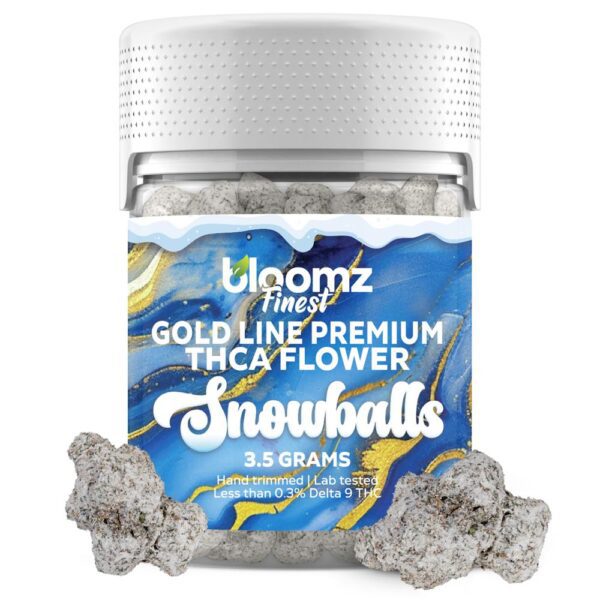
THCA Snowballs – Gold Line
$57.99$89.99 -
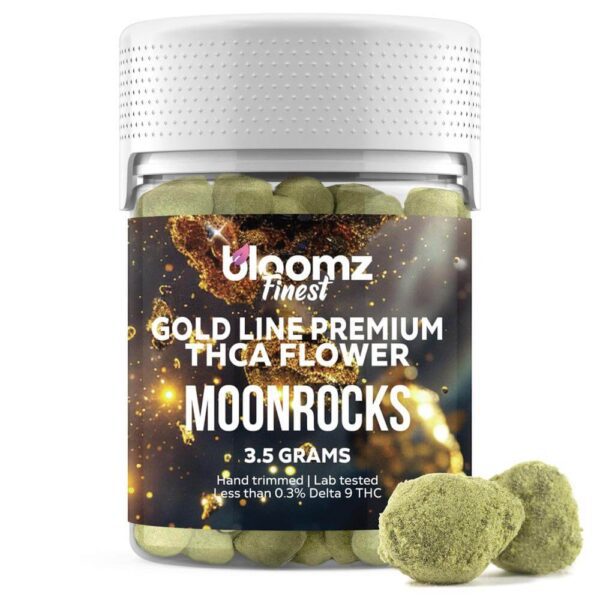
THCA Moonrocks – Gold Line
$57.99$89.99 -
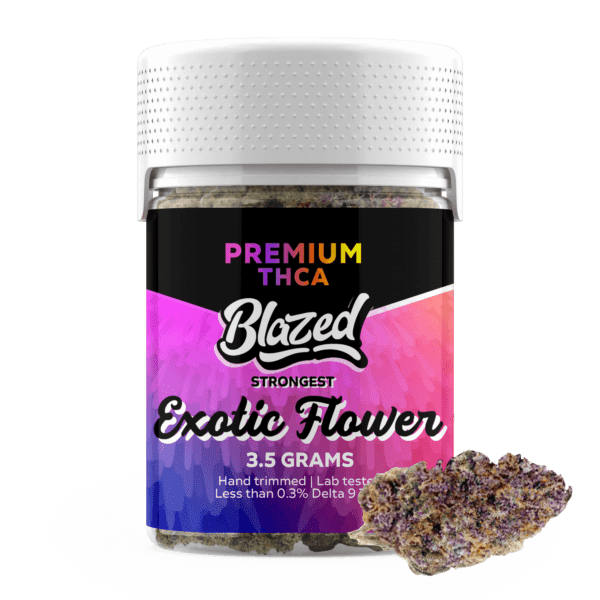
Blazed Exotic THCA Flower
$36.99$79.99 -
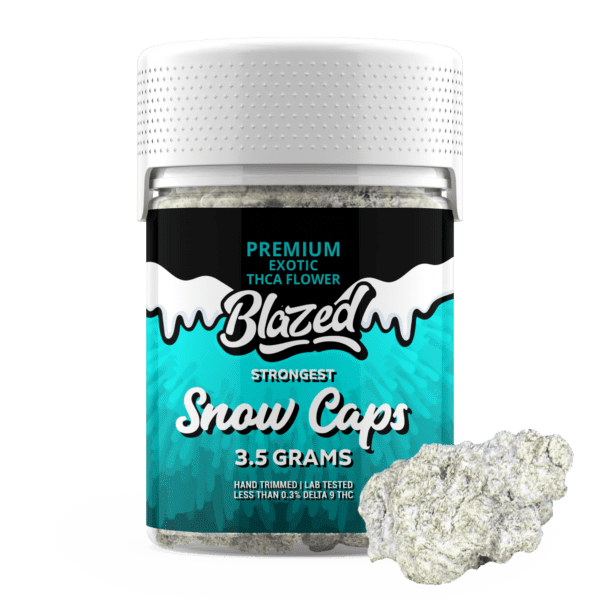
Blazed Strongest Exotic THCA Snow Caps
$58.99$93.99
The Entourage Effect
The entourage effect is the theory that cannabinoids and terpenes work synergistically rather than independently.
This concept was popularized by researchers studying how compounds in cannabis interact together. One notable figure in cannabinoid research is Raphael Mechoulam, who contributed significantly to understanding cannabinoids and their interactions.
According to the entourage effect theory:
-
THC alone may feel different than THC combined with specific terpenes.
-
CBD may modify THC’s impact.
-
Minor cannabinoids and terpenes may fine-tune overall experience.
While more clinical research is needed, terpene profiling helps explore this potential synergy.
Terpene Profiling vs. Strain Names
Historically, cannabis was categorized by strain names like:
-
OG Kush
-
Sour Diesel
-
Blue Dream
However, strain names are not standardized across the industry. Two products labeled the same strain may have different terpene compositions depending on genetics, cultivation methods, and harvest timing.
Terpene profiling provides objective chemical data rather than relying solely on branding.
Dominant vs. Secondary Terpenes
A terpene profile usually highlights:
-
Primary (dominant) terpenes – Highest concentration
-
Secondary terpenes – Supporting compounds
-
Trace terpenes – Present in small amounts
The dominant terpene often shapes the overall aromatic identity, but secondary terpenes contribute complexity.
For example, a strain may be:
- Limonene-dominant
- With secondary myrcene and caryophyllene
- And trace pinene
Together, they create a layered sensory profile.
How Terpene Profiles Are Displayed
On lab reports or product packaging, terpene data is usually listed as percentages.
Example:
- Myrcene: 0.85%
- Limonene: 0.62%
- Caryophyllene: 0.41%
- Total Terpenes: 2.10%
Higher total terpene percentages often indicate stronger aroma and potentially richer flavor.
Recommended products
-
Exotic THCA Pre-Rolls Gold Line – 3-Pack/6 Pack
$36.99$69.99 -
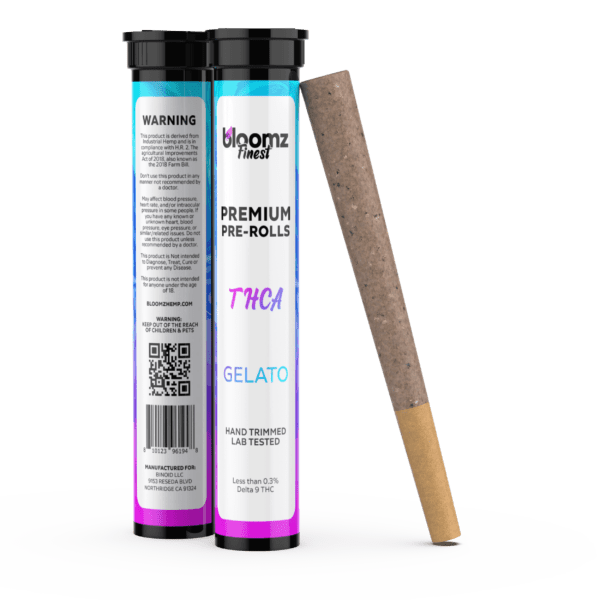
THCA Pre-Rolls – 3-Pack/6-Pack
$30.99$59.99
Terpene Profiling in Hemp vs. Marijuana
Under the Agriculture Improvement Act of 2018, hemp is defined as cannabis containing no more than 0.3% Delta-9 THC by dry weight.
Both hemp and marijuana plants produce terpenes. Terpene profiling is used in:
- CBD flower
- Delta-8 products
- Hemp-derived extracts
- State-legal marijuana products
The presence of terpenes is not tied to THC content — even low-THC hemp can have rich terpene profiles.
How Cultivation Affects Terpenes
Terpene production is influenced by:
- Genetics
- Soil quality
- Nutrient levels
- Light spectrum
- Temperature
- Harvest timing
- Curing process
For example:
- High heat can degrade volatile terpenes.
- Improper curing may reduce aromatic intensity.
- Stress conditions can alter terpene expression.
Terpene profiling helps growers fine-tune cultivation practices for optimal results.
Terpene Profiling in Extracts and Vapes
In concentrates and vape products, terpene profiling serves additional purposes:
- Preserving strain-specific flavor
- Reintroducing botanical terpenes after distillation
- Standardizing formulations
- Differentiating product lines
Some products use “live resin” extraction methods to preserve original terpene content from fresh-frozen plants.
Others may add botanical terpenes to recreate specific strain profiles.
Lab testing confirms whether the intended terpene composition matches the final product.
Synthetic vs. Cannabis-Derived Terpenes
Terpenes can be sourced in multiple ways:
- Extracted directly from cannabis
- Derived from other plants (like citrus or pine)
- Produced synthetically
Chemically, limonene from an orange peel is identical to limonene from cannabis. However, some consumers prefer cannabis-derived terpenes for authenticity.
Terpene profiling helps verify composition regardless of source.
Regulatory and Labeling Considerations
In regulated cannabis markets, terpene profiling may be required as part of compliance testing. In hemp markets, requirements vary by state.
The Food and Drug Administration does not currently regulate terpene labeling in the same way it regulates pharmaceuticals, but state cannabis programs often mandate full chemical analysis.
Accurate terpene reporting builds consumer trust and transparency.
Terpene Profiling and Product Development
Modern cannabis brands use terpene profiling to:
- Create consistent flavor lines
- Develop targeted experiences (relaxation, focus, creativity)
- Match consumer preferences
- Differentiate from competitors
Instead of marketing purely based on THC percentage, companies increasingly highlight terpene percentages as a quality indicator.
Recommended products
-
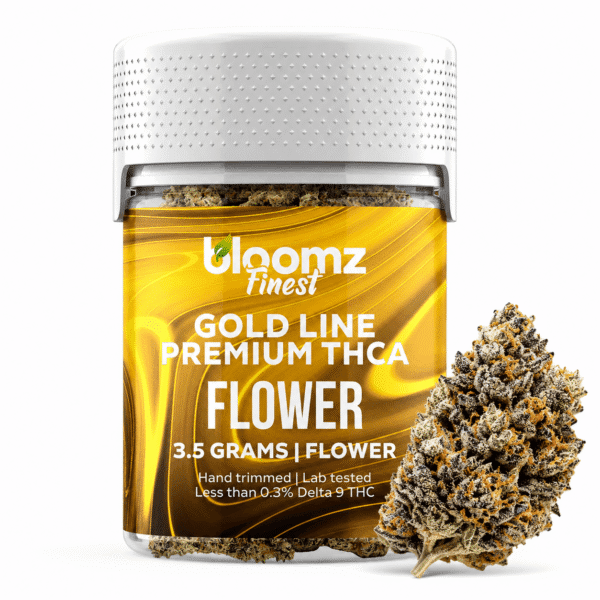
THCA Flower – Exotics – Gold Line
$37.99$89.99 -
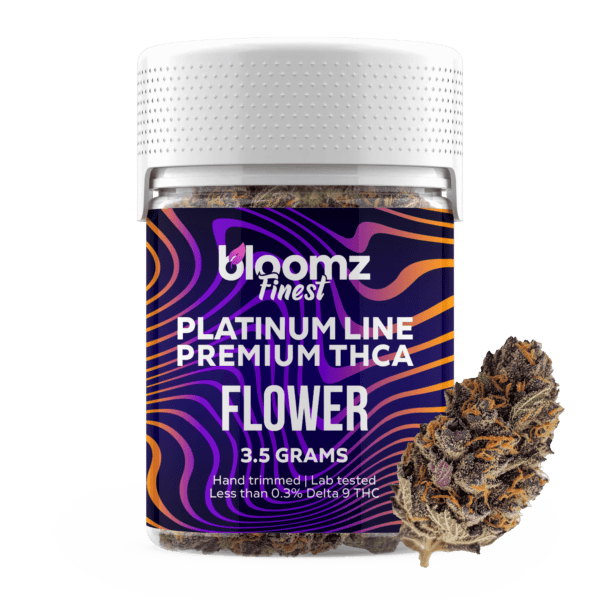
THCA Flower – Platinum Line
$47.99$79.99 -
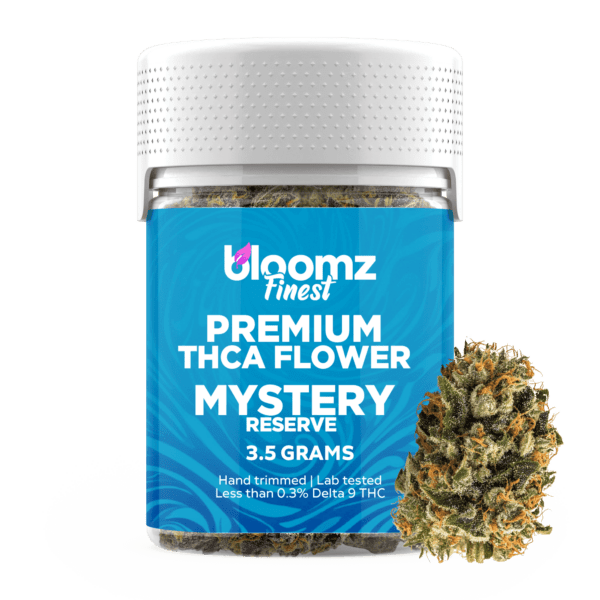
THCA Flower – Mystery Reserve
$41.99$79.99 -
THCA Smalls
$139.99$256.99
Total Terpenes: What’s Considered High?
There is no universal standard, but generally:
- 0.5–1% total terpenes = mild aroma
- 1–2% = moderate aroma
- 2–4% = strong aroma
- 4%+ = very terpene-rich
However, balance matters more than sheer quantity.
A well-balanced 2% profile may feel more complex than an unbalanced 4% profile dominated by a single terpene.
Limitations of Terpene Profiling
While terpene profiling provides valuable data, it does not tell the whole story.
Limitations include:
- Individual body chemistry varies.
- Cannabinoid ratios also influence effects.
- Set and setting affect experience.
- Minor terpenes may have subtle roles not fully understood.
It is a tool for guidance — not a guarantee of specific effects.
The Future of Terpene Science
As cannabis research expands, scientists are studying:
- How specific terpene combinations influence mood
- Whether terpenes impact inflammation
- The role of terpenes in therapeutic applications
- Standardized classification systems beyond “indica” and “sativa”
Terpene profiling may eventually replace traditional strain categories with chemotype-based classifications.
Instead of labeling something as indica or sativa, products may be described as:
- Limonene-dominant chemotype
- Myrcene-caryophyllene balanced profile
- Pinene-rich formulation
This shift reflects a move toward chemistry-driven education.
Conclusion
Terpene profiling is the scientific analysis of the aromatic compounds in cannabis. It identifies which terpenes are present and in what concentrations, creating a chemical fingerprint for each strain or product.
While cannabinoids like THC and CBD often take the spotlight, terpenes shape aroma, flavor, and possibly the overall experience. Through laboratory testing, terpene profiling helps ensure consistency, transparency, and deeper consumer understanding.
As cannabis markets continue to mature, terpene data is becoming just as important as cannabinoid percentages. For cultivators, extractors, brands, and consumers alike, terpene profiling represents a more refined, chemistry-based way to understand cannabis.
In today’s evolving cannabis landscape, knowing the terpene profile may tell you more about a product than its strain name ever could.
To Buy Cannabis Flower Click Here
Recommended products
-
Exotic THCA Smalls
$169.99$329.99 -
THCA + THC-P Flower
$47.99$89.99 -
THCA Flower
$27.99$79.99 -
THCA Pre-Rolls – 3-Pack/6-Pack
$30.99$59.99