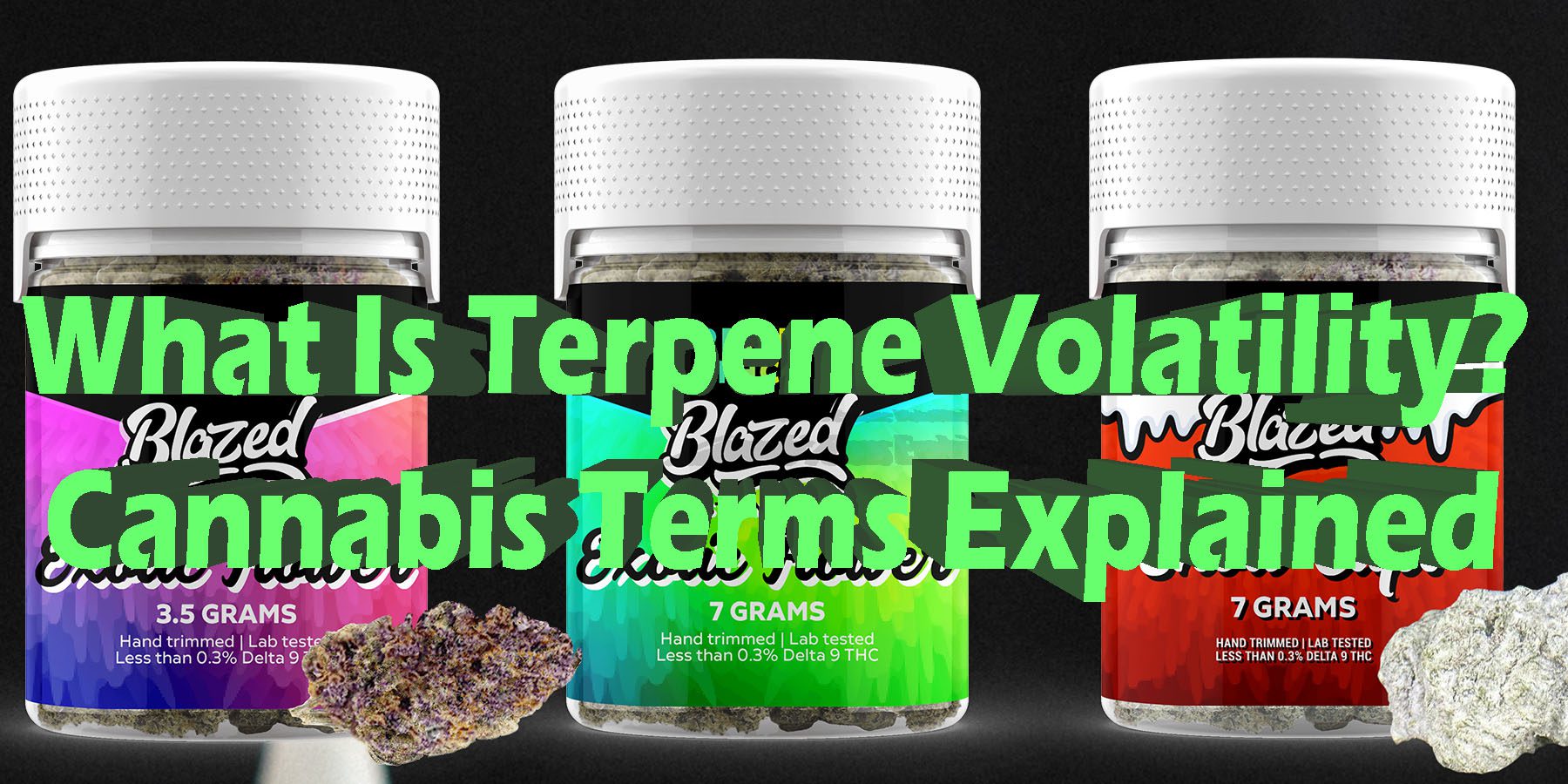
As cannabis consumers become more educated and selective, attention has increasingly shifted from just THC percentages to the broader chemical profile of the plant. Among the most important components contributing to aroma, flavor, and overall experience are terpenes. These aromatic compounds give cannabis its signature scents—ranging from citrus and pine to gas and sweetness—and play a major role in shaping how a strain feels. However, one crucial aspect of terpenes that often goes overlooked is their volatility. Understanding terpene volatility can help explain why some cannabis smells stronger than others, why flavor fades over time, and how storage, handling, and consumption methods affect the overall quality of the product.
At its core, terpene volatility refers to how easily terpenes evaporate or break down when exposed to environmental factors such as heat, air, and light. In scientific terms, a volatile compound is one that readily turns into vapor at relatively low temperatures. Terpenes are naturally volatile, which is why they are so aromatic—you can smell them because they evaporate into the air and reach your nose. While this volatility is what makes cannabis so fragrant and flavorful, it also means that terpenes are delicate and can be lost quickly if not properly preserved.
To Buy Cannabis Flower Click Here
Recommended products
-
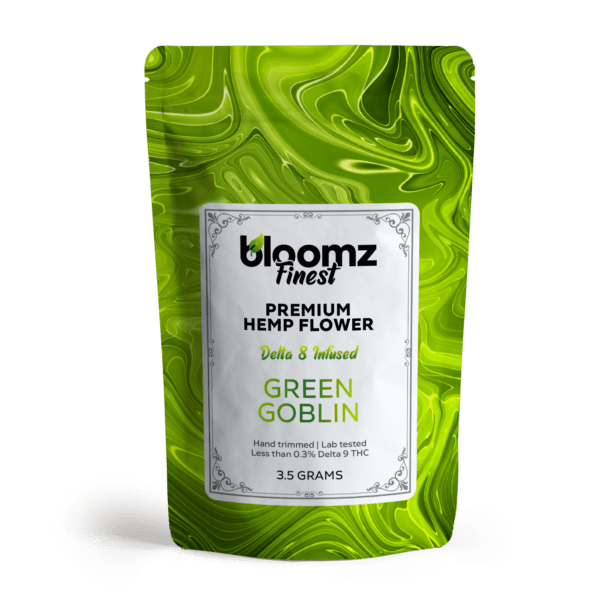
Delta 8 THC Flower
$24.99$39.99 -
THC-P Flower
$29.99$43.99 -
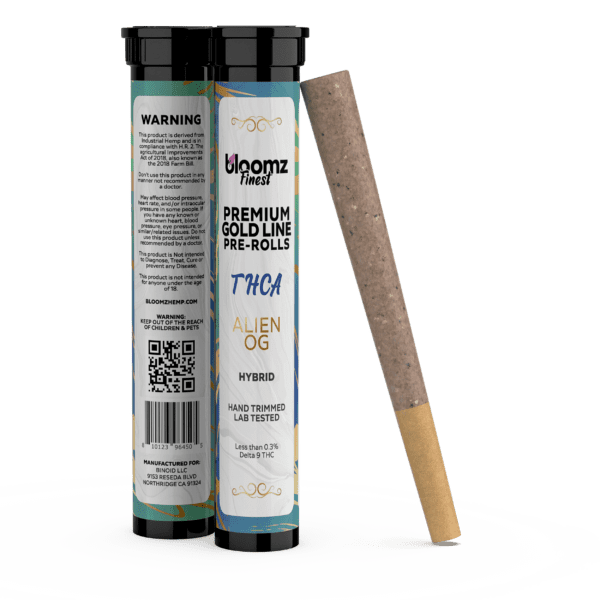
Exotic THCA Pre-Rolls Gold Line – 3-Pack/6 Pack
$36.99$69.99

To better understand terpene volatility, imagine opening a fresh jar of high-quality cannabis. As soon as the lid is removed, a strong aroma fills the air. This immediate release of scent is caused by terpenes evaporating from the surface of the buds. Over time, if the jar is left open or not sealed properly, the smell becomes less intense. This is because the terpenes are gradually escaping into the air. The same process happens on a smaller scale every time cannabis is handled, ground, or exposed to the environment.
Terpenes vary in their levels of volatility. Some are more stable and evaporate more slowly, while others are highly volatile and dissipate quickly. For example, lighter, more delicate terpenes like limonene (citrus) and pinene (pine) tend to evaporate more readily, contributing to bright, sharp aromas that can fade relatively fast. Heavier terpenes, such as myrcene (earthy, musky), may be slightly less volatile but are still susceptible to degradation over time. The specific combination of terpenes in a cannabis strain—often referred to as its terpene profile—determines not only how it smells and tastes but also how quickly those characteristics may change.
Temperature is one of the most significant factors affecting terpene volatility. Heat accelerates the evaporation of terpenes, which is why cannabis exposed to high temperatures often loses its aroma and flavor more quickly. For instance, leaving cannabis in a hot car or near a heat source can cause terpenes to degrade rapidly, resulting in a dull, less flavorful product. This is also relevant during consumption. When cannabis is smoked or vaporized, heat is applied to release cannabinoids and terpenes. However, excessive heat—such as using a flame directly or vaping at very high temperatures—can burn off terpenes before they can be fully enjoyed, leading to a harsher and less nuanced experience.
Air exposure, or oxidation, is another major contributor to terpene loss. When cannabis is exposed to oxygen, chemical reactions can occur that degrade terpenes and alter their structure. Over time, this can change both the aroma and flavor of the product. For example, a strain that once had a bright, fruity scent may develop a more muted or even slightly stale smell if left exposed to air for too long. This is why airtight storage is so important for preserving terpene content and maintaining overall quality.
Light, particularly ultraviolet (UV) light, also plays a role in terpene volatility. Prolonged exposure to light can break down terpenes and other sensitive compounds in cannabis. This is why high-quality cannabis products are often stored in opaque or UV-resistant containers. Keeping cannabis in a dark, cool place helps protect its chemical integrity and preserve its aromatic profile for a longer period.
Humidity and moisture levels can indirectly influence terpene volatility as well. Cannabis that is too dry tends to lose terpenes more quickly because the protective moisture within the buds has evaporated, allowing volatile compounds to escape more easily. On the other hand, cannabis that is too moist can be prone to mold and microbial growth, which introduces other quality concerns. Maintaining an optimal humidity level—often around 55% to 62% relative humidity—is key to preserving both the structure of the buds and their terpene content.
To illustrate terpene volatility in real-world scenarios, consider the difference between fresh and old cannabis. A freshly harvested and properly cured batch of cannabis typically has a strong, vibrant aroma that reflects its terpene profile. When you break apart a bud, the smell intensifies as more surface area is exposed, releasing additional terpenes into the air. In contrast, older cannabis that has been improperly stored may smell faint, dry, or even slightly like hay. This loss of aroma is a direct result of terpene volatility over time.
Another example can be seen in grinding cannabis. When you grind flower, you increase its surface area, which allows terpenes to evaporate more quickly. This is why freshly ground cannabis often smells very strong initially but can lose its aroma if left sitting out for too long. For the best experience, many users prefer to grind only what they plan to use immediately, preserving as much of the terpene content as possible.
Consumption methods also highlight the impact of terpene volatility. For instance, vaping at lower temperatures is often recommended for those who want to experience the full flavor of cannabis. Lower heat levels allow terpenes to vaporize without being destroyed, resulting in a more flavorful and aromatic inhale. In contrast, high-temperature dabbing or combustion can overwhelm or degrade delicate terpenes, reducing the complexity of the experience.
Recommended products
-
Exotic THCA Smalls
$169.99$329.99 -
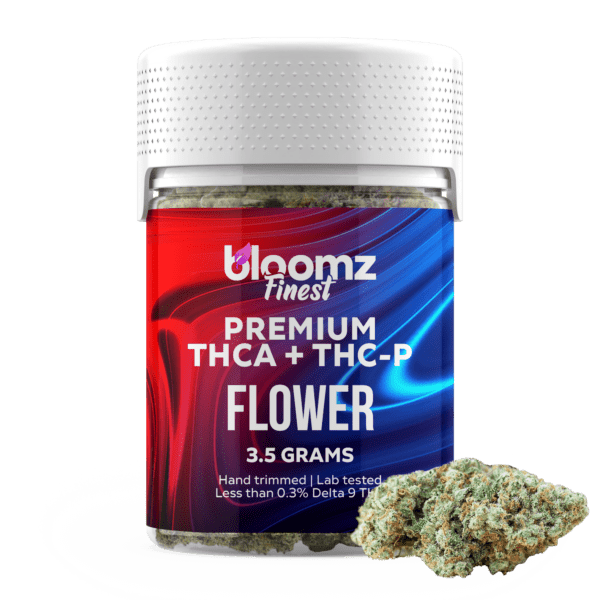
THCA + THC-P Flower
$47.99$89.99 -
THCA Flower
$27.99$79.99 -
THCA Pre-Rolls – 3-Pack/6-Pack
$30.99$59.99

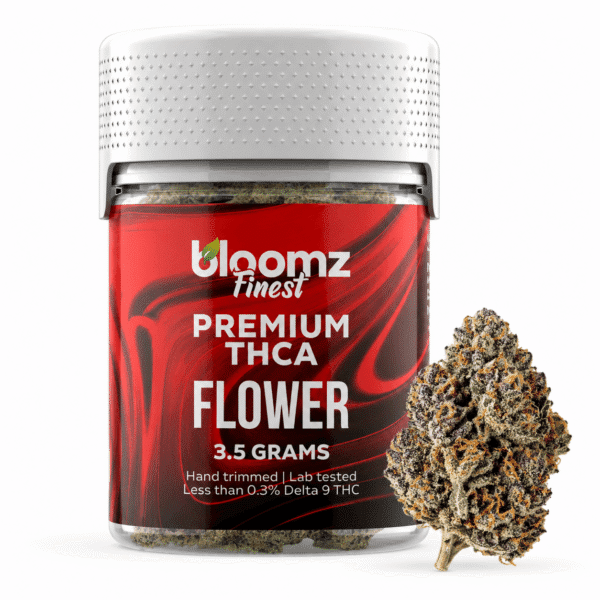
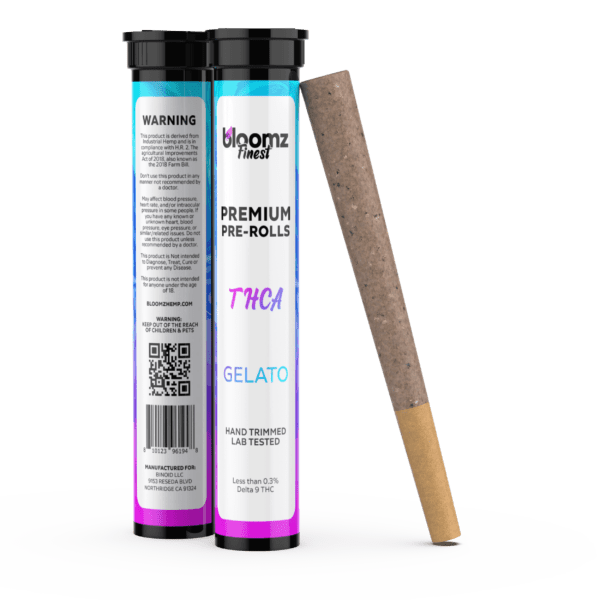
Terpene volatility is not just about flavor and aroma—it can also influence the overall effects of cannabis. Terpenes are believed to interact with cannabinoids in what is commonly referred to as the entourage effect, where different compounds work together to shape the experience. If terpenes are lost due to volatility, this interaction may be diminished, potentially altering how the product feels. For example, a strain known for its uplifting, citrusy profile may feel less vibrant if its terpenes have degraded, even if the THC content remains the same.
For cannabis producers and brands, managing terpene volatility is a critical part of maintaining product quality. This begins with proper cultivation and continues through harvesting, drying, curing, packaging, and storage. Techniques such as slow curing at controlled temperatures help preserve terpene content by allowing moisture to evaporate gradually without stripping away volatile compounds. Packaging solutions, including airtight containers and nitrogen flushing, can further protect terpenes from exposure to air and light.
Consumers can also take steps to minimize terpene loss and preserve the quality of their cannabis. Storing products in airtight containers, keeping them in a cool and dark place, and avoiding unnecessary handling can all help maintain terpene integrity. Using humidity packs can stabilize moisture levels and prevent the buds from becoming too dry. Additionally, being mindful of how cannabis is consumed—such as avoiding excessively high temperatures—can enhance the overall experience by preserving more of the plant’s aroma and flavor.
Terpene volatility also explains why some cannabis products are marketed as “live” or “fresh frozen.” These products are made using cannabis that has been frozen immediately after harvest, preserving a higher concentration of terpenes that might otherwise be lost during drying and curing. As a result, live products often have more intense aromas and flavors compared to their traditionally cured counterparts.
In a broader sense, understanding terpene volatility reflects a shift in cannabis culture toward greater appreciation of nuance and quality. Rather than focusing solely on potency, consumers are beginning to value the full sensory experience of cannabis, including its aroma, flavor, and subtle effects. Terpenes are at the heart of this experience, and their volatile nature makes them both valuable and vulnerable.
In conclusion, terpene volatility refers to the tendency of terpenes to evaporate and degrade when exposed to heat, air, light, and other environmental factors. While this volatility is what gives cannabis its distinctive aroma and flavor, it also means that these qualities can be lost over time if the product is not properly handled and stored. By understanding how terpene volatility works, both consumers and producers can take steps to preserve these important compounds and enhance the overall cannabis experience. From storage practices to consumption methods, every detail plays a role in maintaining the delicate balance that makes cannabis truly enjoyable.
To Buy Cannabis Flower Click Here
Recommended products
-
THCA Smalls
$139.99$256.99 -
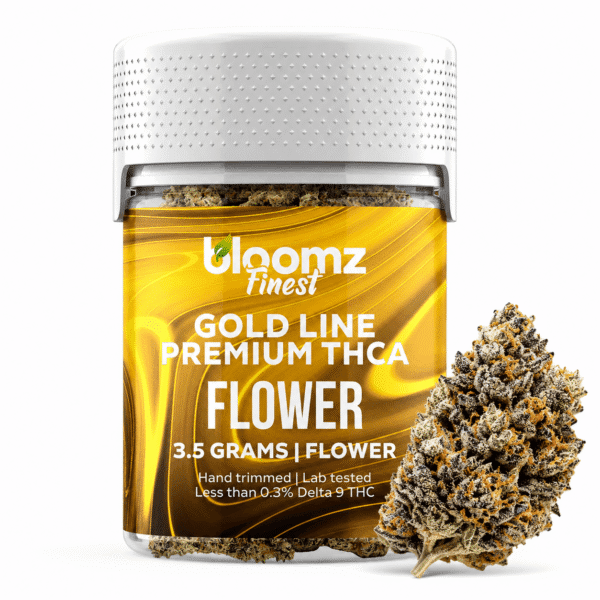
THCA Flower – Exotics – Gold Line
$37.99$89.99 -
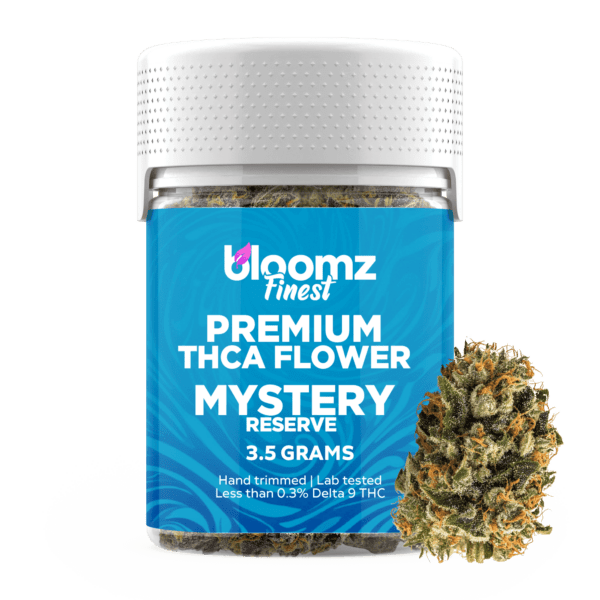
THCA Flower – Mystery Reserve
$41.99$79.99 -
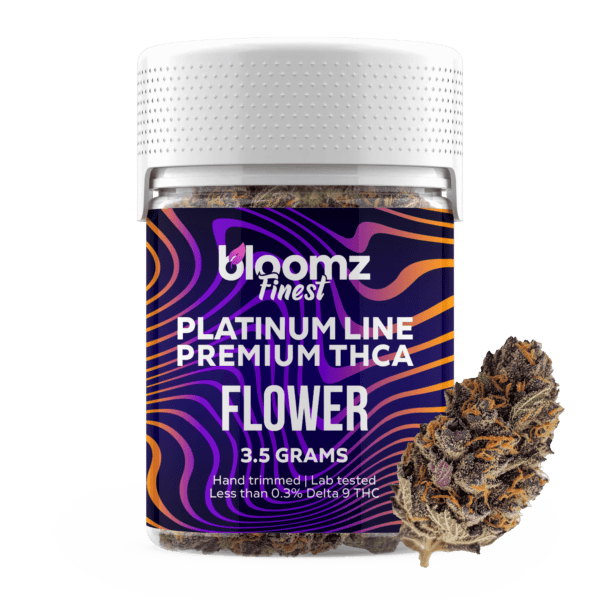
THCA Flower – Platinum Line
$47.99$79.99