As the cannabis industry continues to expand across the United States and globally, one phrase appears again and again on product packaging, websites, and marketing materials: third-party lab tested. For consumers, it’s often seen as a sign of trust and quality. But what does third-party lab testing actually mean? Why is it important? What does it measure? And how does it protect both brands and buyers?
In this comprehensive guide, we’ll break down third-party lab testing from a scientific, regulatory, and production perspective. You’ll learn what laboratories test for, how Certificates of Analysis (COAs) work, the chemistry behind potency testing, common contaminants screened in cannabis products, and how regulations shape the entire process.
To Buy Cannabis Flower Click Here
Recommended products
-
Delta 8 THC Flower
$24.99$39.99 -
THC-P Flower
$29.99$43.99 -
Exotic THCA Pre-Rolls Gold Line – 3-Pack/6 Pack
$36.99$69.99
What Is Third-Party Lab Testing?
Third-party lab testing refers to the process of sending cannabis or hemp products to an independent laboratory that has no financial connection to the brand or manufacturer. The purpose is to verify product safety, potency, and purity through standardized scientific testing.
“Third-party” means the laboratory operates separately from:
- The cultivator
- The extractor
- The manufacturer
- The retailer
This independence reduces bias and increases transparency.
The lab analyzes the product using validated analytical methods and issues a formal report called a Certificate of Analysis COA. That document provides detailed chemical and safety information about the tested batch.
Why Third-Party Testing Matters in Cannabis
Cannabis product are complex chemical mixtures. Flower, concentrates, edibles, vapes, and tinctures all contain cannabinoids, terpenes, plant compounds, and potentially residual contaminants from cultivation or extraction.
Unlike many traditional consumer goods, cannabis is inhaled, ingested, or absorbed directly into the bloodstream. That makes purity and accuracy especially important.
Third-party lab testing protects consumers by verifying:
- Potency accuracy
- Absence of harmful contaminants
- Legal compliance
- Manufacturing consistency
It also protects brands by:
- Demonstrating transparency
- Supporting regulatory compliance
- Reducing liability
- Building consumer trust
In regulated markets, testing is not optional — it is legally required.
What Do Cannabis Labs Test For?
Third-party cannabis labs typically test for five major categories:
- Cannabinoid potency
- Terpene profile
- Residual solvents
- Microbial contamination
- Heavy metals and pesticides
Let’s break down each one in detail.
1. Cannabinoid Potency Testing
Potency testing measures the concentration of cannabinoids in a product. This determines how strong the product is and verifies whether the label claim is accurate.
Common cannabinoids measured include:
- Delta-9 THC
- THCA
- CBD
- CBDA
- Delta-8 THC
- CBG
- CBN
The Chemistry Behind Potency Testing
Labs typically use High-Performance Liquid Chromatography (HPLC) to measure cannabinoids.
HPLC works by:
- Dissolving the sample in a solvent
- Passing it through a high-pressure column
- Separating compounds based on chemical properties
- Detecting and quantifying them using UV or photodiode array detectors
Unlike gas chromatography (GC), HPLC does not require high heat. This is important because acidic cannabinoids like THCA would otherwise convert into THC during testing.
The final result is reported as a percentage (for flower and concentrates) or milligrams per serving (for edibles and tinctures).
Recommended products
-
THCA Snowballs – Gold Line
$57.99$89.99 -
THCA Moonrocks – Gold Line
$57.99$89.99 -
Blazed Exotic THCA Flower
$36.99$79.99 -
Blazed Strongest Exotic THCA Snow Caps
$58.99$93.99
Total THC Calculation
Lab reports often show:
-
Delta-9 THC
-
THCA
Because THCA converts to THC when heated, labs calculate Total THC using a formula:
Total THC = (THCA × 0.877) + Delta-9 THC
The 0.877 factor accounts for the molecular weight lost during decarboxylation (removal of CO₂).
This calculation is especially important for regulatory compliance, particularly in hemp products that must remain below 0.3% Delta-9 THC by dry weight under federal law.
2. Terpene Testing
Terpenes are aromatic compounds responsible for cannabis flavor and aroma. They may also influence the overall experience through what is commonly called the entourage effect.
Labs measure terpenes using Gas Chromatography (GC), which separates volatile compounds.
Common terpenes tested include:
- Myrcene
- Limonene
- Pinene
- Caryophyllene
- Linalool
Terpene testing is often optional in some states but highly valued in premium products.
3. Residual Solvent Testing
If a product is made using solvent-based extraction (such as ethanol or hydrocarbons), labs test for residual solvents.
Solvents tested may include:
- Ethanol
- Butane
- Propane
- Heptane
- Pentane
Gas Chromatography with Flame Ionization Detection (GC-FID) is commonly used for this analysis.
Regulators set maximum allowable limits measured in parts per million (ppm). Reputable manufacturers remove nearly all solvents during post-processing.
4. Microbial Testing
Cannabis is an agricultural product and can carry bacteria, mold, or fungi.
Labs test for harmful microorganisms such as:
- Salmonella
- E. coli
- Aspergillus species
- Total yeast and mold count
Microbial testing protects consumers, especially immunocompromised individuals.
Methods include:
- Polymerase Chain Reaction (PCR)
- Culture-based plating
- qPCR molecular testing
Products that fail microbial testing cannot legally be sold in regulated markets.
Recommended products
-
Exotic THCA Pre-Rolls Gold Line – 3-Pack/6 Pack
$36.99$69.99 -
THCA Pre-Rolls – 3-Pack/6-Pack
$30.99$59.99
5. Heavy Metal Testing
Cannabis plants are bioaccumulators, meaning they absorb substances from soil — including heavy metals.
Labs test for metals such as:
- Lead
- Arsenic
- Cadmium
- Mercury
Testing is performed using Inductively Coupled Plasma Mass Spectrometry (ICP-MS), a highly sensitive method capable of detecting trace amounts.
Heavy metal contamination is particularly important in vape products, where inhalation increases risk.
6. Pesticide Screening
Pesticides may be used during cultivation, especially in large-scale operations.
Labs test for dozens — sometimes over 60 — pesticide residues using advanced chromatography and mass spectrometry.
Each state sets its own action limits, often stricter than federal agricultural standards.
What Is a Certificate of Analysis (COA)?
A Certificate of Analysis is the official lab report documenting all test results for a specific batch.
A COA includes:
- Lab name and accreditation
- Sample ID and batch number
- Date of testing
- Potency results
- Contaminant results
- Pass/fail status
Many brands provide QR codes on packaging that link directly to COAs. Consumers should ensure the batch number on the COA matches the product in hand.
Accreditation and Lab Standards
Not all labs are equal. Reputable cannabis testing labs operate under ISO/IEC 17025 accreditation.
ISO 17025 ensures:
- Validated testing methods
- Equipment calibration
- Staff competency
- Quality management systems
Accredited labs undergo audits and proficiency testing to maintain certification.
Regulatory Requirements
Cannabis testing requirements vary by state.
In adult-use and medical markets like California, Colorado, and Oregon, testing is mandatory before products enter retail shelves.
Hemp-derived cannabinoid products operate under a more fragmented system. While federal law requires hemp to contain less than 0.3% Delta-9 THC, contaminant testing requirements may vary by state.
Regulators often require:
- Batch testing
- Random sampling
- Chain-of-custody documentation
- Record retention
Failure to comply can result in fines, recalls, or license revocation.
Recommended products
-
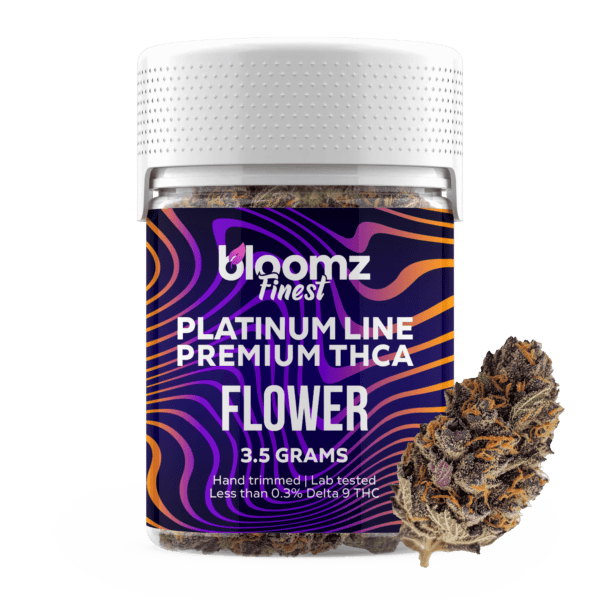
THCA Flower – Platinum Line
$47.99$79.99 -
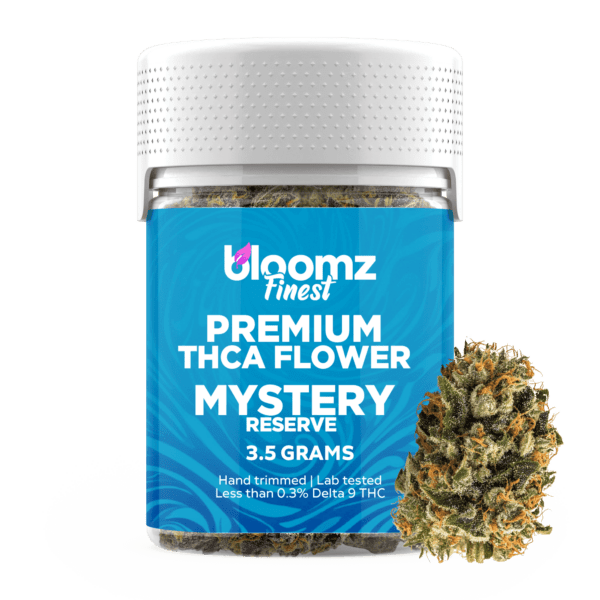
THCA Flower – Mystery Reserve
$41.99$79.99 -
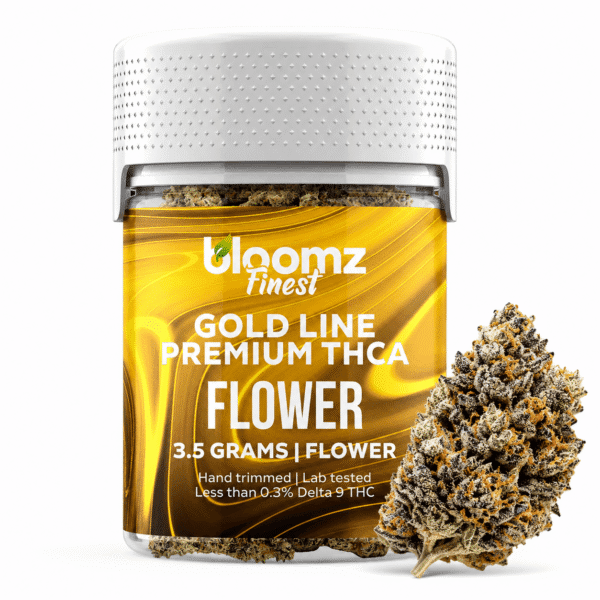
THCA Flower – Exotics – Gold Line
$37.99$89.99 -
THCA Smalls
$139.99$256.99
Batch Testing and Sampling
Testing is typically conducted per batch, meaning a defined quantity of product manufactured under the same conditions.
Proper sampling is critical. If a batch is 1,000 units, only a small representative portion is tested. Poor sampling methods can distort results.
Many states regulate sampling procedures to ensure fairness and consistency.
The Risk of In-House Testing
Some companies advertise “lab tested” without specifying that testing was conducted internally.
In-house testing lacks independent verification. Without third-party oversight, results could be biased or incomplete.
True third-party testing requires a separate, independent laboratory.
Common Red Flags in COAs
Consumers should watch for:
- Missing lab accreditation
- Outdated testing dates
- Mismatched batch numbers
- Incomplete contaminant panels
- Suspiciously round potency numbers
Transparency and traceability are key indicators of legitimacy.
Challenges in Cannabis Lab Testing
Despite progress, the cannabis testing industry faces challenges:
- Lack of federal standardization
- Variability between state requirements
- Method inconsistencies
- Emerging cannabinoid identification
Because cannabis remains federally illegal in the United States, national testing standards have not been fully unified.
This can create discrepancies in results between laboratories.
The Future of Cannabis Testing
As legalization expands, testing standards are expected to become more uniform and science-driven.
Advancements include:
- Expanded cannabinoid panels
- Standardized potency methodologies
- Improved contamination detection
- National regulatory frameworks
Eventually, cannabis testing may resemble pharmaceutical-level oversight.
How Consumers Can Protect Themselves
When purchasing cannabis or hemp products:
- Always request a COA
- Verify the batch number
- Confirm third-party accreditation
- Review contaminant results
- Ensure legal compliance
Transparent brands make this information easy to access.
Final Thoughts
Third-party lab testing is one of the most important safeguards in the cannabis industry. It ensures that products are accurately labeled, free from harmful contaminants, and compliant with legal standards.
Through advanced analytical chemistry techniques like HPLC, GC, PCR, and ICP-MS, independent laboratories verify product safety and potency before it reaches consumers.
In an industry still evolving scientifically and legally, third-party lab testing serves as a foundation of trust. Whether purchasing flower, vapes, edibles, or hemp-derived cannabinoids, always look for independent lab verification.
In cannabis, transparency isn’t just a marketing claim — it’s a necessity.
To Buy Cannabis Flower Click Here
Recommended products
-
THCA + THC-P Flower
$47.99$89.99 -
THCA Flower
$27.99$79.99 -
Exotic THCA Smalls
$169.99$329.99 -
THCA Pre-Rolls – 3-Pack/6-Pack
$30.99$59.99