Tolerance is one of the most commonly discussed — and often misunderstood — concepts in cannabis use. Whether someone is a new consumer who feels strong effects from a small dose or an experienced user who requires significantly more to feel the same impact, tolerance plays a central role in shaping the cannabis experience.
But what exactly is tolerance? Why does it develop? Is it permanent? Does it mean dependence? And how does it affect potency, dosage, and long-term use?
Understanding tolerance requires looking at brain chemistry, receptor biology, consumption patterns, product types, and even genetics. In this in-depth guide, we’ll explore the science behind cannabis tolerance, how it develops, how it differs from dependence, how it affects different product formats, and what consumers should know about managing it responsibly.
To Buy Cannabis Flower Click Here
Recommended products
-
Delta 8 THC Flower
$24.99$39.99 -
THC-P Flower
$29.99$43.99 -
Exotic THCA Pre-Rolls Gold Line – 3-Pack/6 Pack
$36.99$69.99
Defining Tolerance
Tolerance refers to a reduced response to a substance after repeated use. In the context of cannabis, it means that over time, a person may need a higher dose of cannabinoids — particularly THC — to achieve the same effects they previously experienced at a lower dose.
Tolerance is not unique to cannabis. It occurs with many substances, including caffeine, nicotine, alcohol, and prescription medications. It is a biological adaptation mechanism in which the body adjusts to repeated exposure.
With cannabis, tolerance primarily involves the endocannabinoid system and the CB1 receptors in the brain.
The Endocannabinoid System and Tolerance
To understand cannabis tolerance, you must understand the endocannabinoid system (ECS).
The ECS is a complex cell-signaling system involved in regulating:
-
Mood
-
Appetite
-
Pain sensation
-
Memory
-
Sleep
-
Immune response
It includes:
-
Endocannabinoids (naturally produced compounds in the body)
-
Receptors (primarily CB1 and CB2)
-
Enzymes that break down cannabinoids
THC binds primarily to CB1 receptors in the brain, producing psychoactive effects.
When THC repeatedly stimulates CB1 receptors, the body begins to adapt.
Receptor Downregulation
The primary biological mechanism behind cannabis tolerance is receptor downregulation.
When CB1 receptors are repeatedly activated by THC:
-
The body reduces the number of available receptors.
-
Existing receptors become less responsive.
-
Signal strength decreases.
This process is known as downregulation and desensitization.
With fewer active receptors, the same amount of THC produces a weaker effect, leading users to increase dosage.
Acute vs. Chronic Tolerance
Tolerance can develop in two main ways:
Acute Tolerance
Also known as short-term tolerance, acute tolerance can occur within a single session. For example, the first inhalation of cannabis may feel stronger than subsequent inhalations taken shortly afterward.
This is due to rapid receptor desensitization.
Chronic Tolerance
Chronic tolerance develops over days, weeks, or months of repeated use. This form of tolerance involves longer-term receptor downregulation and changes in brain signaling pathways.
Chronic tolerance is what most people mean when they say their “tolerance has gone up.”
Factors That Influence Cannabis Tolerance
Tolerance does not develop uniformly across all users. Several factors influence its development:
Frequency of Use
Daily or near-daily use accelerates tolerance development. Occasional users typically maintain lower tolerance levels.
Dosage
Higher THC doses stimulate receptors more intensely, potentially speeding up downregulation.
Method of Consumption
Inhaled cannabis produces rapid, high-peak THC levels, which may influence tolerance differently compared to edibles, which produce slower, prolonged exposure.
Individual Biology
Genetics, metabolism, body composition, and endocannabinoid system variability all affect how tolerance develops.
Age and Experience
Long-term users often experience higher tolerance compared to new consumers.
Recommended products
-
THCA Snowballs – Gold Line
$57.99$89.99 -
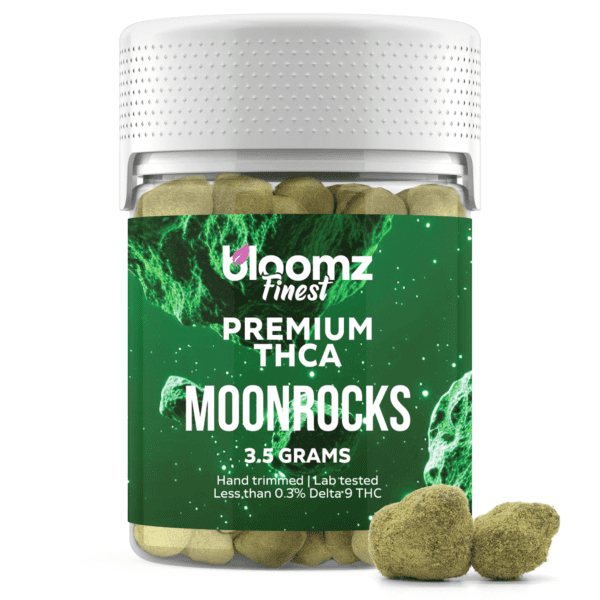
THCA Moonrocks
$45.99$89.99 -
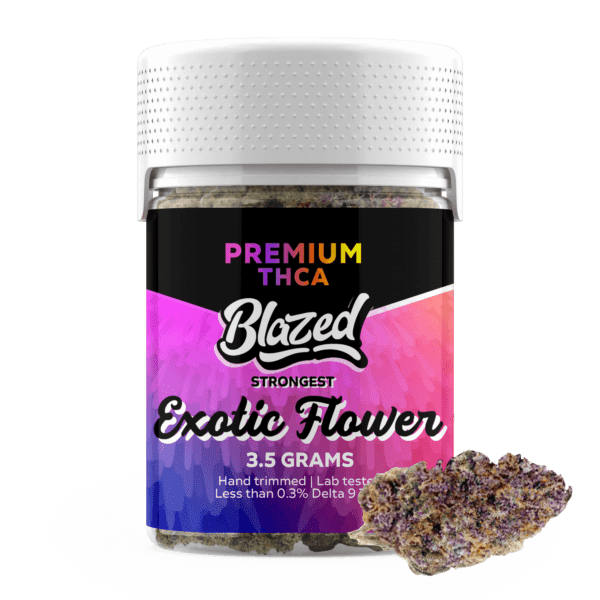
Blazed Exotic THCA Flower
$36.99$79.99 -
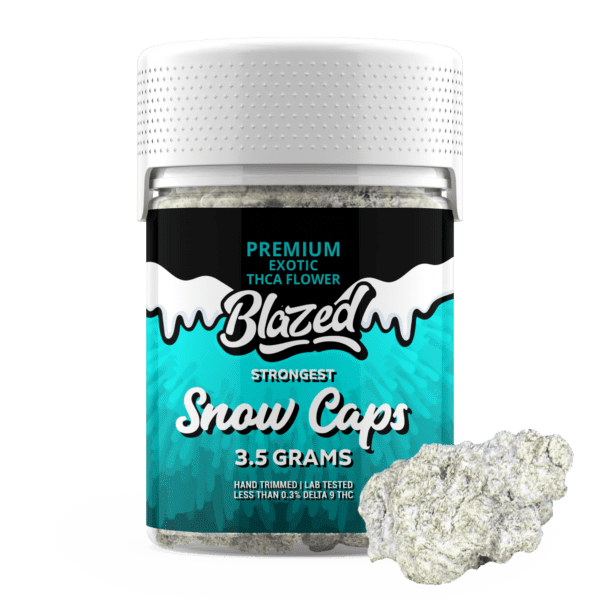
Blazed Strongest Exotic THCA Snow Caps
$58.99$93.99
THC vs. CBD and Tolerance
Tolerance is most strongly associated with THC due to its direct activation of CB1 receptors.
CBD behaves differently. It does not strongly bind to CB1 receptors and does not produce intoxicating effects. Research suggests CBD may not produce significant tolerance in the same way THC does.
However, high doses of any compound may produce adaptive changes over time.
Cross-Tolerance
Cross-tolerance occurs when tolerance to one substance reduces sensitivity to another similar substance.
In cannabis, cross-tolerance can occur between:
-
Different THC products
-
THC and synthetic cannabinoids
Because they act on similar receptors, tolerance to one may reduce sensitivity to others.
Tolerance vs. Dependence
Tolerance is often confused with dependence, but they are not the same.
Tolerance refers to needing more of a substance to achieve the same effect.
Dependence refers to experiencing withdrawal symptoms when stopping use.
While heavy cannabis use can lead to mild withdrawal symptoms in some individuals — such as irritability or sleep disruption — tolerance alone does not equal addiction.
Addiction involves compulsive use despite negative consequences, which is distinct from biological tolerance.
Signs Your Cannabis Tolerance Has Increased
Common indicators include:
-
Needing larger doses to feel effects
-
Shorter duration of effects
-
Reduced intensity of euphoria
-
Less noticeable psychoactive impact
-
Difficulty achieving previous effect levels
Tolerance can also affect therapeutic users, requiring adjustments in dosage under medical supervision.
Tolerance and Different Product Formats
Flower
Frequent smoking or vaping high-THC flower can increase tolerance relatively quickly due to rapid CB1 activation.
Concentrates
Concentrates often contain very high THC levels. Regular use may accelerate tolerance development.
Edibles
Edibles metabolize THC into 11-hydroxy-THC, which is more potent and longer-lasting. Regular edible use may influence tolerance differently due to prolonged exposure.
Vape Cartridges
High-potency vape oils may lead to frequent microdosing throughout the day, potentially increasing tolerance.
Recommended products
-
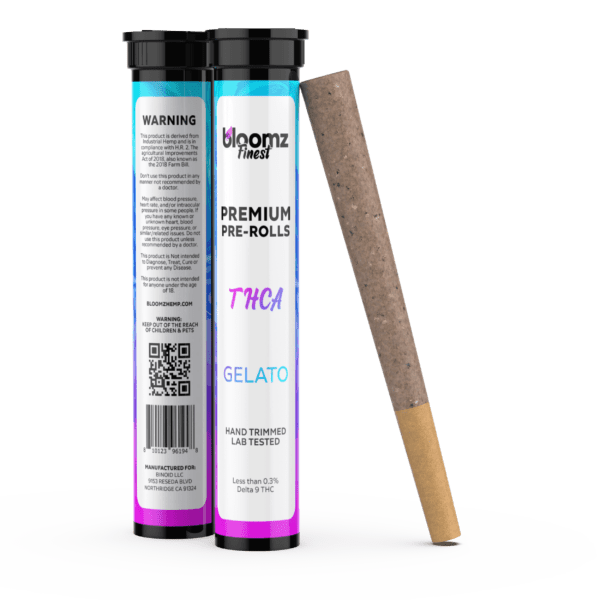
Exotic THCA Pre-Rolls Gold Line – 3-Pack/6 Pack
$36.99$69.99 -
THCA Pre-Rolls – 3-Pack/6-Pack
$30.99$59.99
The Concept of a Tolerance Break
A tolerance break, often called a “T-break,” involves abstaining from cannabis for a period of time to allow CB1 receptors to reset.
Research suggests that CB1 receptor levels begin to normalize after a period of abstinence. Some studies indicate partial recovery within days and more significant normalization within weeks.
Common tolerance break durations include:
-
48 hours
-
7 days
-
14 days
-
30 days
The appropriate length depends on usage patterns.
Neuroplasticity and Recovery
The brain exhibits neuroplasticity — the ability to adapt and change. When cannabis use stops, CB1 receptors gradually return to baseline levels.
This recovery supports the effectiveness of tolerance breaks and demonstrates that cannabis tolerance is not necessarily permanent.
Managing Tolerance Responsibly
Strategies for managing tolerance include:
-
Reducing frequency of use
-
Lowering THC dosage
-
Rotating product types
-
Incorporating CBD-dominant products
-
Taking periodic tolerance breaks
Medical patients should consult healthcare providers before making changes.
Tolerance and Therapeutic Use
Medical cannabis patients may experience tolerance while using cannabis for:
-
Chronic pain
-
Anxiety
-
Appetite stimulation
-
Sleep disorders
In medical contexts, tolerance may require dosage adjustments. Healthcare supervision is important to balance therapeutic benefits with minimized escalation.
Psychological vs. Biological Tolerance
Some aspects of tolerance may be psychological rather than purely biological.
Familiarity with effects can reduce novelty, making experiences feel less intense even if physiological response remains similar.
Expectation and context also influence perceived intensity.
Does Tolerance Affect Everyone the Same?
No. Some individuals develop tolerance quickly, while others maintain sensitivity even with repeated use.
Factors include:
-
Genetic variations in CB1 receptors
-
Metabolic enzyme differences
-
Lifestyle
-
Overall health
There is no universal timeline for tolerance development.
Recommended products
-
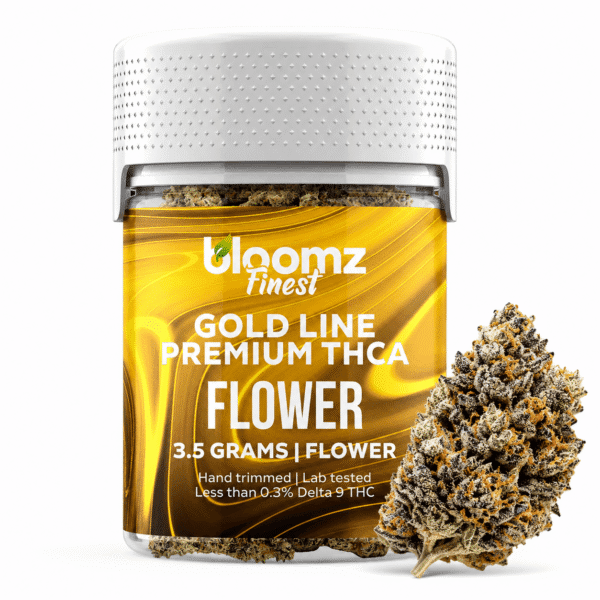
THCA Flower – Exotics – Gold Line
$37.99$89.99 -
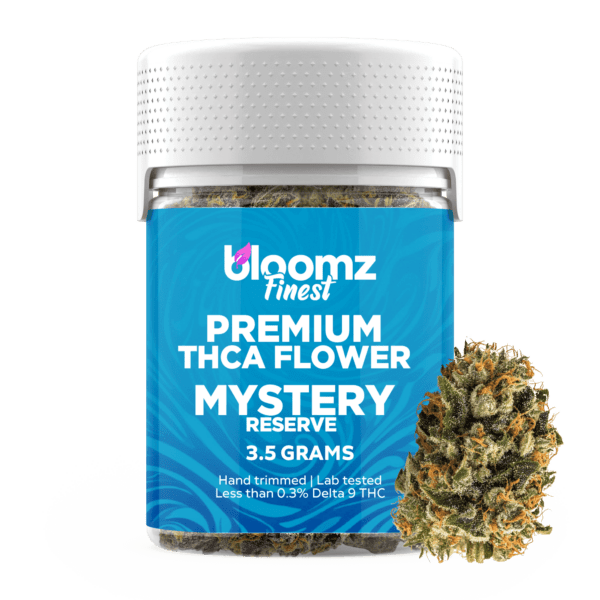
THCA Flower – Mystery Reserve
$41.99$79.99 -
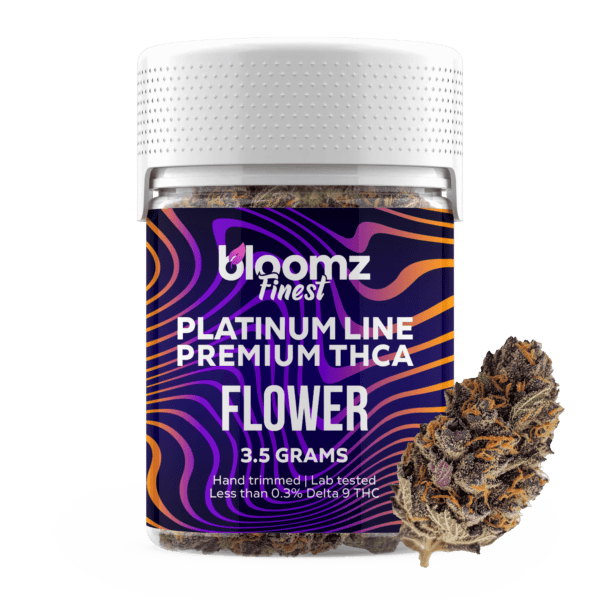
THCA Flower – Platinum Line
$47.99$79.99 -
THCA Smalls
$139.99$256.99
Risks of High Tolerance
High tolerance may lead to:
-
Increased financial cost
-
Greater consumption
-
Reduced perceived effects
-
Higher exposure to smoke or vapor
-
Potential escalation in use patterns
Moderation can help reduce these risks.
Tolerance in the Context of Public Health
Understanding tolerance is important for public health education.
Consumers should be aware that increasing dosage over time is a natural biological adaptation, not necessarily a sign of product weakness.
Regulated markets emphasize:
-
Clear potency labeling
-
Education on dosing
-
Lab testing transparency
-
Responsible use guidelines
Misconceptions About Cannabis Tolerance
-
Tolerance means addiction.
Not necessarily. -
Tolerance is permanent.
It can decrease with abstinence. -
Switching strains prevents tolerance.
THC still activates CB1 receptors. -
Higher potency always solves tolerance.
It may accelerate receptor downregulation.
Future Research on Cannabis Tolerance
Ongoing research is examining:
-
Long-term CB1 receptor adaptation
-
Differences between inhaled and ingested tolerance
-
Genetic predictors of tolerance
-
Interaction between cannabis and other substances
-
The role of minor cannabinoids in tolerance modulation
As legalization expands, more data will refine understanding.
Conclusion
Tolerance in cannabis refers to the body’s reduced response to THC after repeated use. It primarily occurs due to downregulation and desensitization of CB1 receptors in the endocannabinoid system.
Tolerance development varies depending on frequency, dosage, method of consumption, and individual biology. While it is a normal adaptive response, it can influence consumption patterns and perceived effectiveness.
The good news is that tolerance is not permanent. Receptor recovery occurs with reduced use or abstinence, allowing sensitivity to return over time.
Understanding tolerance empowers consumers to make informed decisions about dosing, product selection, and responsible use. Whether for recreational or therapeutic purposes, awareness of tolerance helps maintain balanced, mindful cannabis consumption in an evolving marketplace.
To Buy Cannabis Flower Click Here
Recommended products
-
Exotic THCA Smalls
$169.99$329.99 -
THCA + THC-P Flower
$47.99$89.99 -
THCA Flower
$27.99$79.99 -
THCA Pre-Rolls – 3-Pack/6-Pack
$30.99$59.99