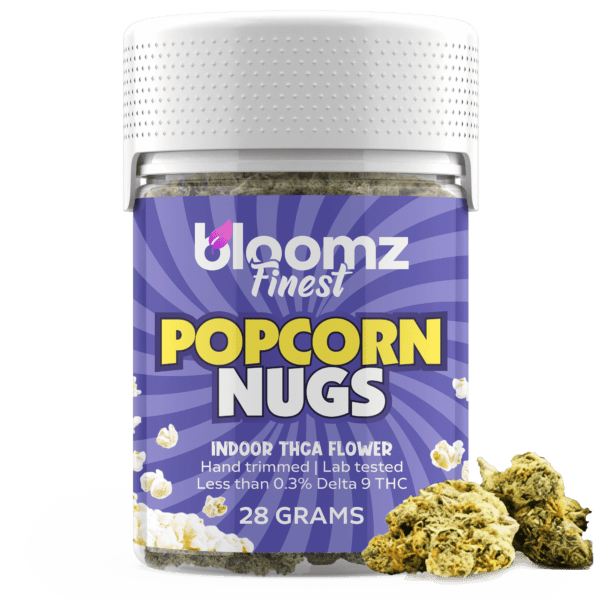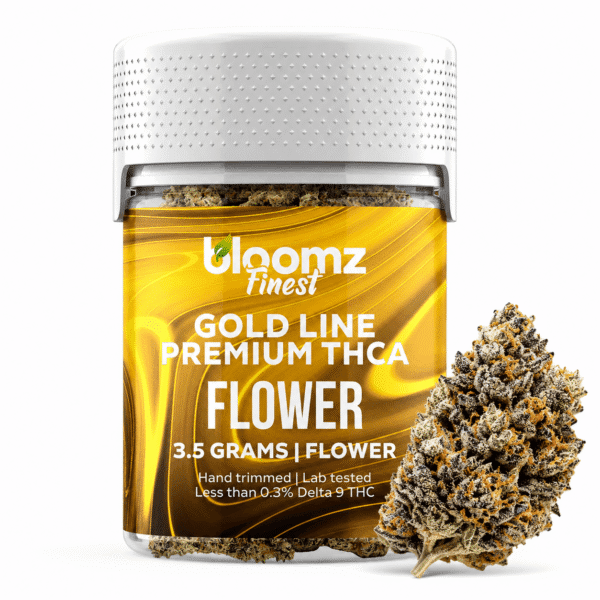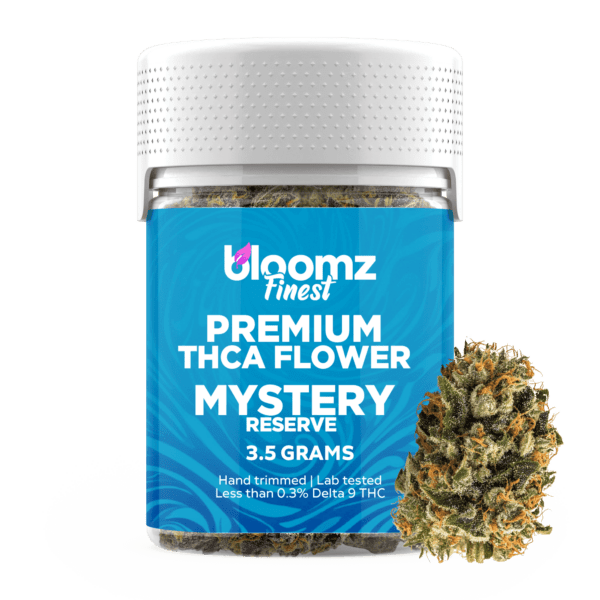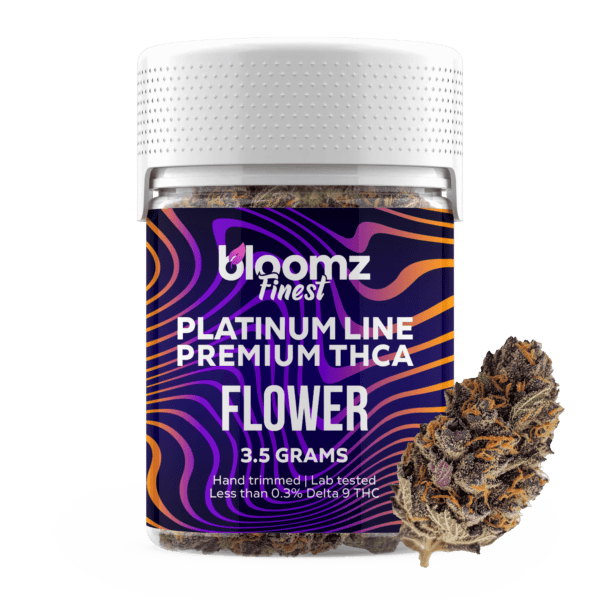

White label cannabis has quickly become one of the most important business models in the modern cannabis industry. As legalization expands across regions and competition intensifies, brands are constantly looking for ways to stand out without necessarily building everything from the ground up.
White labeling offers a streamlined, scalable solution that allows companies to focus on branding, marketing, and customer experience while outsourcing production to established manufacturers. At its core, white label cannabis refers to products that are manufactured by one company but sold under another company’s brand name. This model is widely used across industries, but in cannabis, it carries unique implications due to regulations, quality standards, and consumer expectations.
To Buy Cannabis Flower Click Here
Recommended products
-
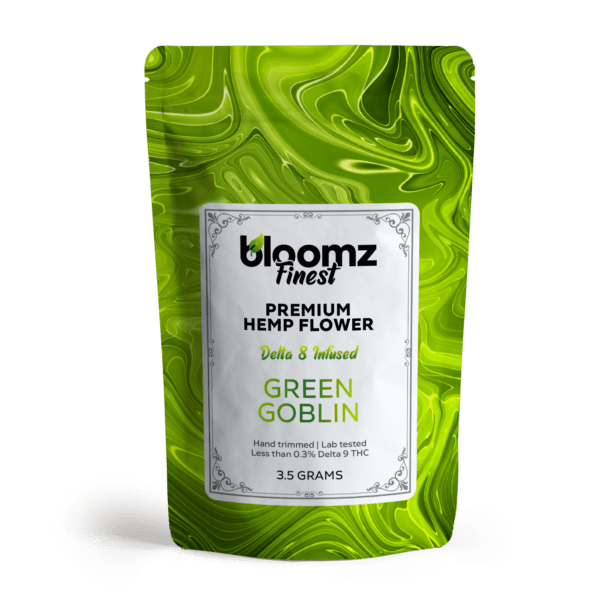
Delta 8 THC Flower
$24.99$39.99 -
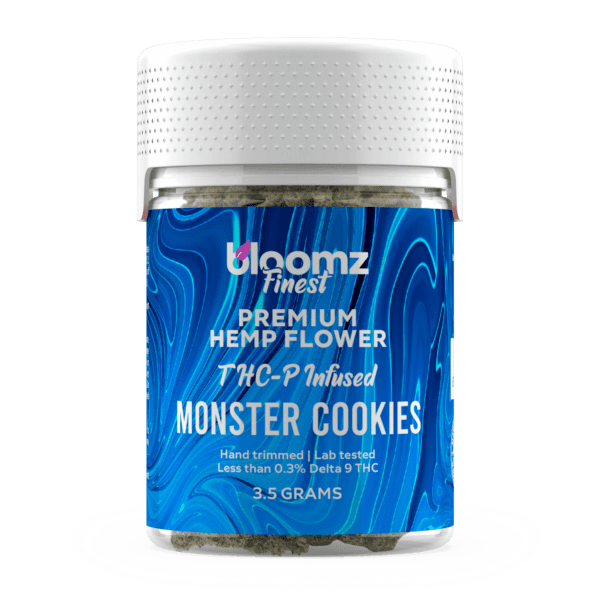
THC-P Flower
$29.99$43.99 -
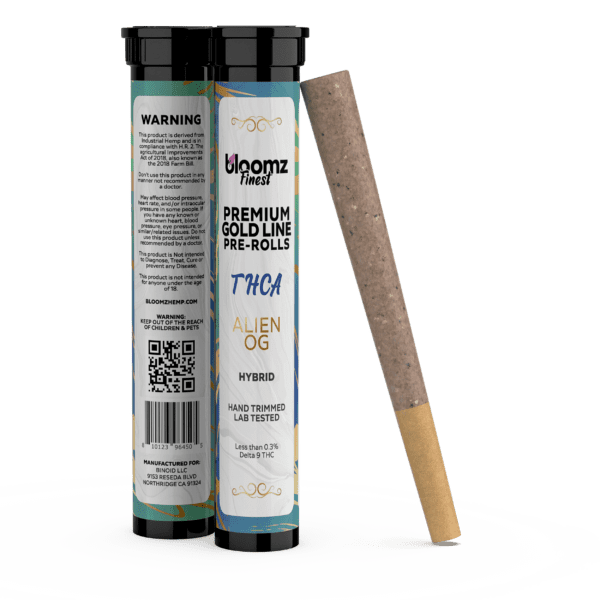
Exotic THCA Pre-Rolls Gold Line – 3-Pack/6 Pack
$36.99$69.99
The concept itself is simple but powerful. A licensed cultivator or manufacturer produces cannabis products such as flower, edibles, vapes, tinctures, or concentrates. Another company—often a retailer, influencer brand, or startup—then purchases these products and applies its own branding, packaging, and marketing strategy. The end consumer sees a cohesive brand identity, even though the production happened elsewhere. This allows businesses to enter the cannabis market much faster than if they had to build cultivation facilities, extraction labs, or manufacturing operations from scratch.
One of the biggest advantages of white label cannabis is speed to market. Launching a cannabis brand traditionally requires significant capital investment, licensing hurdles, and operational expertise. White labeling eliminates many of these barriers. Instead of waiting months or years to develop infrastructure, a brand can partner with an existing licensed producer and begin selling products relatively quickly. This is especially valuable in competitive markets where timing can determine success or failure.
Cost efficiency is another major benefit. Building a cultivation site or extraction lab is expensive, not just in terms of equipment but also compliance, staffing, and ongoing maintenance. White labeling allows brands to avoid these upfront costs and instead allocate resources toward marketing, packaging design, and customer acquisition. This shift in focus often leads to stronger brand identity and more effective consumer engagement.
However, white label cannabis is not without its challenges. One of the most significant concerns is product differentiation. Because multiple brands may source products from the same manufacturer, there is a risk that offerings can feel similar or indistinguishable. To overcome this, successful white label brands invest heavily in unique branding, storytelling, and customer experience. Packaging design, strain naming, flavor profiles, and even brand voice become critical tools for standing out in a crowded marketplace.
Quality control is another important consideration. While the manufacturer is responsible for production, the brand ultimately carries the reputation. If a product fails to meet consumer expectations, it is the brand—not the manufacturer—that faces backlash. This makes it essential for companies to carefully vet their production partners, conduct regular testing, and maintain strict quality standards. Transparency also plays a key role, as modern cannabis consumers are increasingly interested in sourcing, lab results, and production methods.
Regulation adds another layer of complexity to white label cannabis. Each jurisdiction has its own rules regarding licensing, packaging, labeling, and distribution. Brands must ensure that their white label products comply with all local laws, which can vary significantly between states or countries. This often requires close collaboration between the brand and the manufacturer to ensure compliance at every stage of the process.
Recommended products
-
Exotic THCA Smalls
$169.99$329.99 -
THCA + THC-P Flower
$47.99$89.99 -
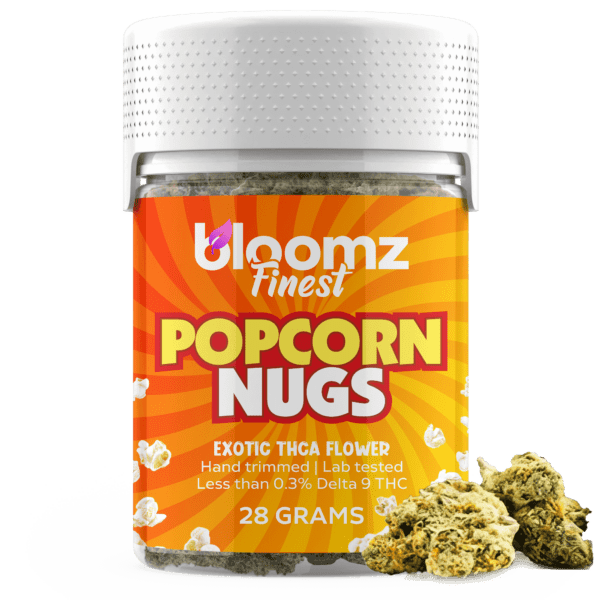
THCA Flower
$27.99$79.99 -
THCA Pre-Rolls – 3-Pack/6-Pack
$30.99$59.99
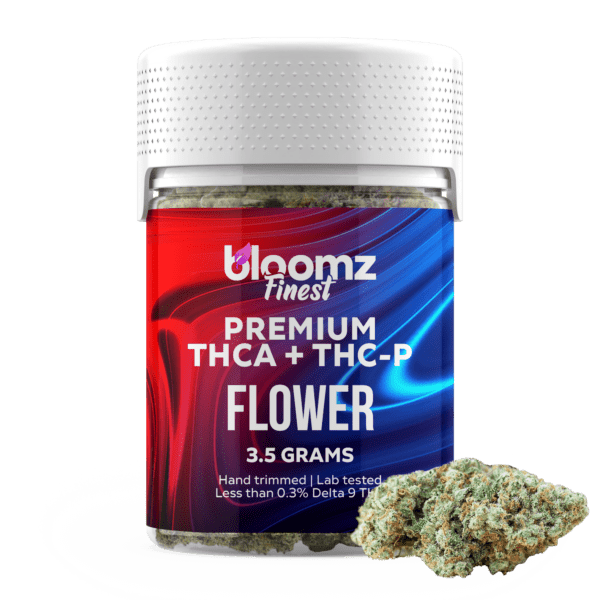
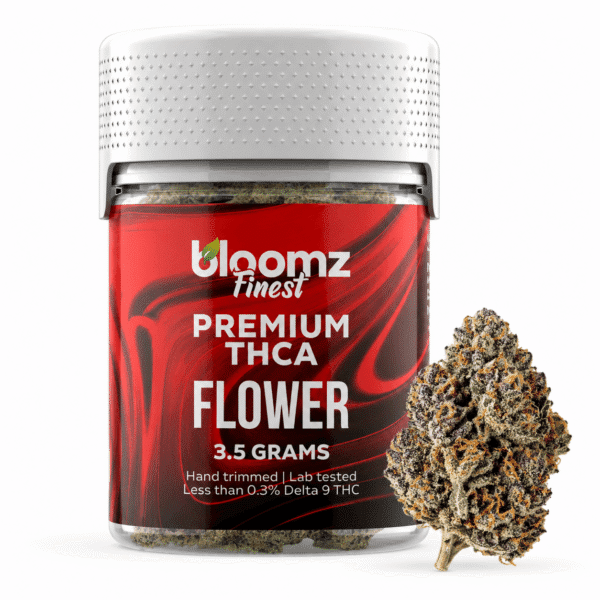
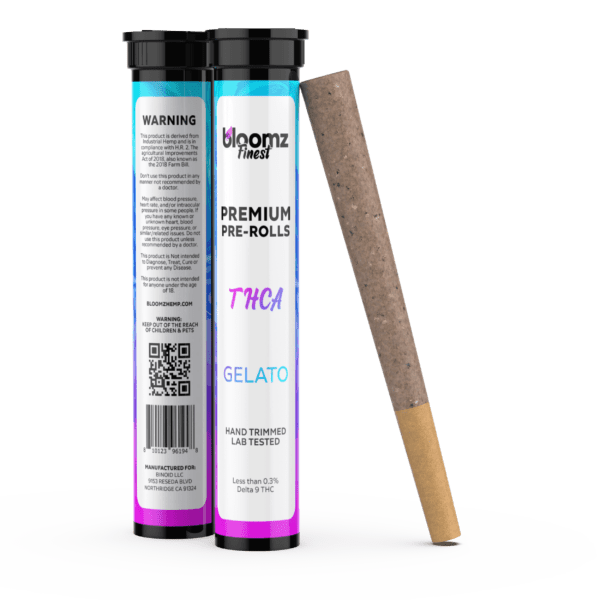
Despite these challenges, white label cannabis continues to grow in popularity because it aligns well with current market trends. Consumers today are highly brand-driven. They are drawn to aesthetics, storytelling, and lifestyle alignment just as much as product quality. White labeling allows companies to focus on these elements while relying on experienced producers to handle the technical aspects of cultivation and manufacturing.
Another important aspect of white label cannabis is scalability. Once a brand establishes a successful product line, it can easily expand into new categories without major operational changes. For example, a company that starts with white label vape cartridges can later introduce edibles, pre-rolls, or concentrates using the same production partners. This flexibility makes it easier to adapt to changing consumer preferences and market conditions.
The rise of influencer and celebrity cannabis brands has also been closely tied to white labeling. Many high-profile brands leverage existing manufacturing infrastructure to launch products quickly and capitalize on their audience. While some critics argue that this approach can lead to oversaturation or lack of authenticity, others see it as a natural evolution of the industry, where branding and culture play a central role.
From a retailer’s perspective, white label cannabis can also be a powerful tool. Dispensaries can create their own in-house brands, offering products that are exclusive to their stores. This not only increases profit margins but also builds customer loyalty, as consumers return specifically for those products. In-house branding has become increasingly common in mature markets, where competition among dispensaries is fierce.
Looking ahead, the future of white label cannabis appears strong. As the industry continues to mature, we can expect to see more specialization among manufacturers, offering tailored solutions for different types of brands. At the same time, branding will become even more sophisticated, with companies investing in design, storytelling, and community building to differentiate themselves.
In conclusion, white label cannabis represents a powerful intersection of efficiency and creativity. It allows brands to enter the market quickly, reduce costs, and focus on what truly matters to consumers: identity, experience, and trust. While it comes with challenges such as differentiation and quality control, those who navigate these effectively can build strong, recognizable brands in an increasingly competitive landscape. As legalization expands and consumer expectations evolve, white label cannabis will likely remain a cornerstone of the industry’s growth and innovation.
To Buy Cannabis Flower Click Here
Recommended products
-
THCA Smalls
$139.99$256.99 -
THCA Flower – Exotics – Gold Line
$37.99$89.99 -
THCA Flower – Mystery Reserve
$41.99$79.99 -
THCA Flower – Platinum Line
$47.99$79.99