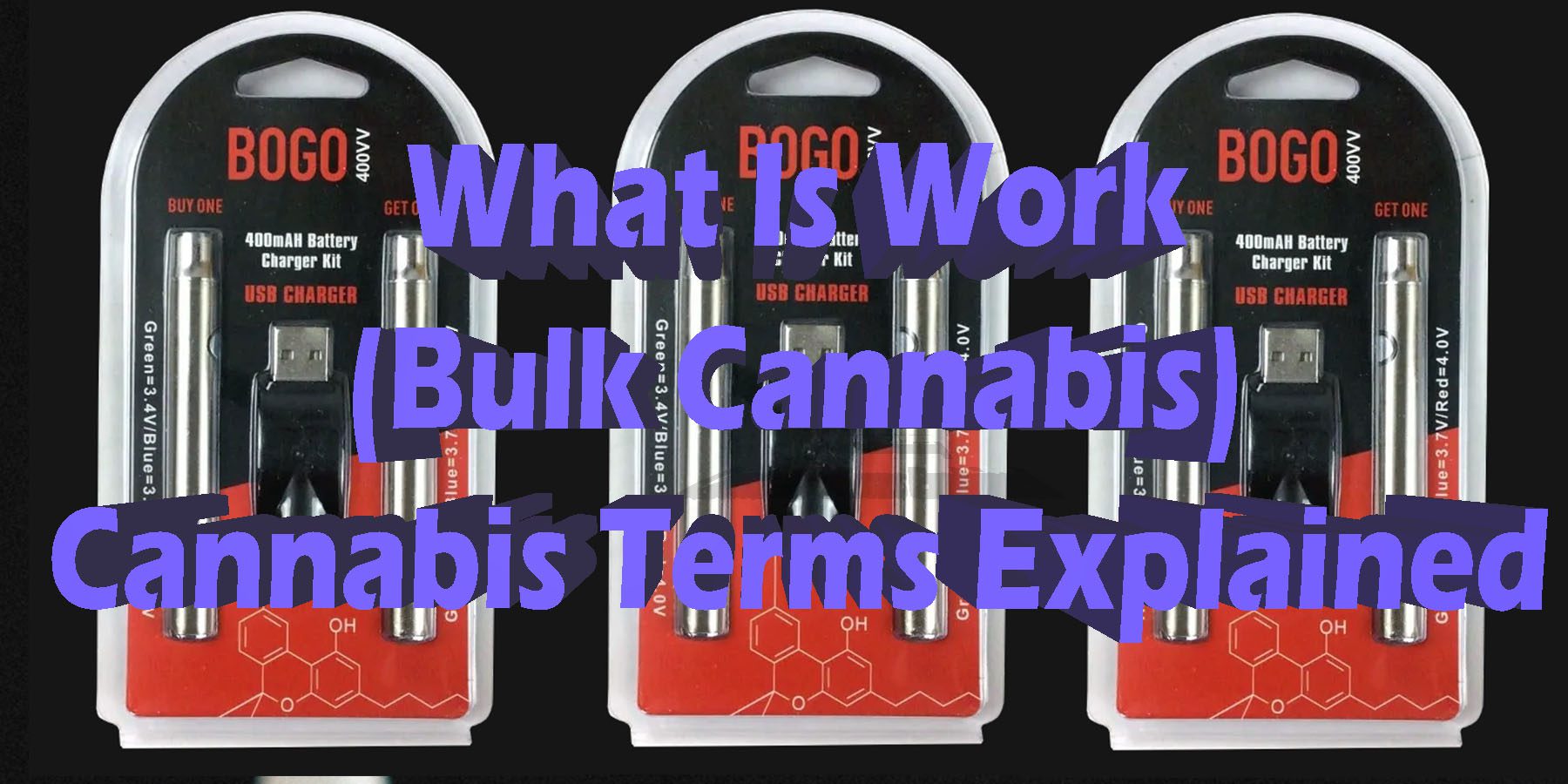
Cannabis culture has always had its own language—terms that develop organically from the people who grow, distribute, and consume it. Some of these terms are rooted in science, while others come directly from the realities of the market, especially before widespread legalization. One such term that carries deep cultural and practical meaning is “work.” While it may sound vague to someone unfamiliar with cannabis slang, within certain circles, “work” has a very specific meaning tied to bulk cannabis, distribution, and the business side of the plant. Understanding what “work” means can provide insight into how cannabis has historically moved through different markets and how those dynamics still influence the industry today.
At its core, “work” refers to bulk quantities of cannabis intended for resale or distribution rather than personal use. When someone says they have “work,” they are typically talking about a supply of cannabis that is meant to be broken down into smaller amounts and sold. This could range from ounces to pounds or even larger quantities, depending on the scale of the operation. The term is closely associated with the legacy market—the informal or previously illegal cannabis trade—but it is still used in conversation today, even as legal markets continue to expand.
To Buy Cannabis Flower Click Here
Recommended products
-
Delta 8 THC Flower
$24.99$39.99 -
THC-P Flower
$29.99$43.99 -
Exotic THCA Pre-Rolls Gold Line – 3-Pack/6 Pack
$36.99$69.99


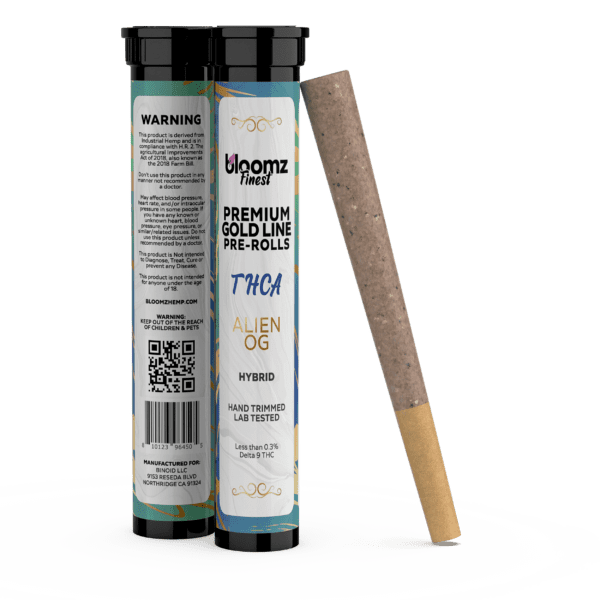
The meaning of “work” is less about the exact quantity and more about the intention behind it. For example, a person who purchases a small amount of cannabis for personal use would not usually refer to it as work. However, if someone acquires a larger quantity with the purpose of redistributing it—whether to friends, customers, or a broader network—that supply becomes “work.” In this sense, the term reflects a role or function within the cannabis ecosystem rather than just a measurement.
To understand how the term developed, it helps to look at the history of cannabis distribution. Before legalization in many regions, cannabis was primarily sold through informal networks. Individuals would often act as intermediaries, purchasing larger quantities from suppliers and then selling smaller amounts to consumers. This process required effort, coordination, and risk, which is likely where the term “work” originated. Handling bulk cannabis was not just about possession—it involved managing inventory, maintaining relationships, and navigating the challenges of an unregulated market.
In practical terms, “work” often comes packaged in bulk forms such as vacuum-sealed bags, large jars, or other storage methods designed to preserve freshness and minimize odor. These larger quantities are typically priced differently than smaller retail amounts, often at a lower cost per gram. This pricing structure reflects the economics of bulk purchasing, where buying in larger quantities reduces the overall cost. For those involved in redistribution, this difference in price creates a margin that makes the process viable.
To illustrate how “work” functions in real-world scenarios, consider a simple example. Someone acquires a pound of cannabis at a bulk price. Instead of consuming it all personally, they divide it into smaller units—such as eighths or grams—and distribute it to others. In this context, the pound is considered “work” because it is being used as inventory rather than personal stash. The process of breaking it down, packaging it, and moving it to others is part of what the term encompasses.
Another example might involve smaller-scale distribution. A person might pick up a few ounces at a time, not necessarily operating at a large level but still intending to share or sell portions of it. Even at this scale, the cannabis can still be referred to as “work” because it serves a purpose beyond individual consumption. The term is flexible and can apply to different levels of activity, from casual redistribution to more structured operations.
It is important to note that “work” does not inherently describe the quality of the cannabis. Bulk cannabis can vary widely in terms of potency, appearance, and overall quality. In some cases, “work” might refer to mid-tier or lower-cost flower that is easier to move in larger quantities. In other cases, it could involve high-quality or “exotic” strains that command higher prices even at scale. The term itself is neutral—it simply indicates that the cannabis is part of a larger supply chain.
However, in some contexts, “work” can carry subtle connotations about quality or purpose. For example, cannabis that is described as “just work” might imply that it is not top-shelf or premium, but rather something intended for volume and practicality. This usage can vary depending on the speaker and the situation, so it is important to consider context when interpreting the term.
The concept of “work” also overlaps with other cannabis slang and business terms. For instance, phrases like “moving work” refer to the act of distributing or selling cannabis, while “fronting work” involves providing cannabis to someone with the expectation that they will sell it and return the payment later. These expressions highlight the interconnected nature of cannabis slang, where individual terms build on one another to describe different aspects of the same system.
In today’s legal cannabis markets, the term “work” is less commonly used in official or professional settings, but it still appears in informal conversations and cultural references. Licensed dispensaries and producers typically use more formal language, such as “inventory,” “wholesale,” or “bulk flower.” However, the underlying concept remains the same: cannabis can be produced, purchased, and distributed in large quantities before reaching the end consumer.
Recommended products
-
Exotic THCA Smalls
$169.99$329.99 -
THCA + THC-P Flower
$47.99$89.99 -
THCA Flower
$27.99$79.99 -
THCA Pre-Rolls – 3-Pack/6-Pack
$30.99$59.99
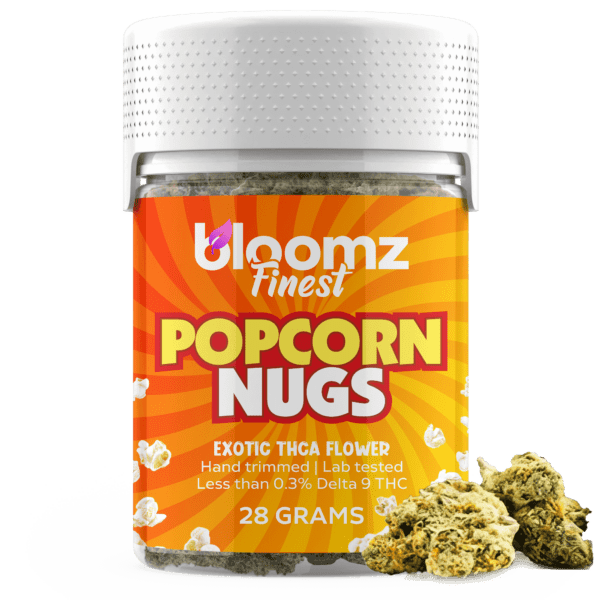
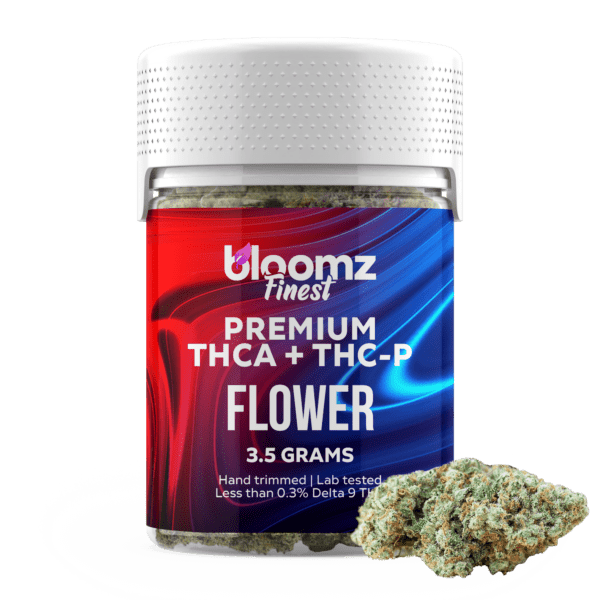
Legalization has also introduced new layers of regulation and transparency that affect how bulk cannabis is handled. In regulated markets, bulk transactions are subject to testing, tracking, and compliance requirements. Products must be labeled, verified, and documented at every stage of the supply chain. This structure contrasts with the more informal systems where the term “work” originally gained popularity, but the idea of bulk cannabis as a foundational part of distribution still applies.
For consumers, understanding the term “work” can provide context when hearing conversations about cannabis, especially in more casual or legacy-influenced environments. It can also help clarify the difference between personal use and distribution, as well as the economic factors that influence pricing and availability. While most consumers do not interact directly with bulk cannabis, it plays a role in how products are priced and how they move through the market.
From a cultural perspective, “work” reflects the history and evolution of cannabis as both a plant and an industry. It is a reminder of the informal networks that sustained cannabis culture for decades and the language that developed alongside them. Even as the industry becomes more formalized, these terms persist as part of the shared vocabulary that connects past and present.
It is also worth noting that the use of terms like “work” can vary by region and community. In some areas, the term may be more common or carry slightly different nuances. In others, it may be less frequently used or replaced by other slang. This regional variation is a natural part of how language evolves, especially in subcultures where communication is shaped by local experiences and influences.
As cannabis continues to grow as a legal and commercial industry, the language surrounding it will likely continue to evolve as well. New terms will emerge, and existing ones may take on new meanings. However, foundational concepts like “work” will remain relevant because they describe fundamental aspects of how cannabis is produced, distributed, and consumed.
In conclusion, “work” in cannabis terminology refers to bulk quantities of cannabis intended for distribution or resale rather than personal use. The term originates from the legacy market, where handling and moving cannabis required effort, coordination, and risk. While it does not inherently describe quality, it reflects the role that bulk cannabis plays in the broader supply chain. By understanding what “work” means, consumers can gain a deeper appreciation for the language, culture, and systems that have shaped the cannabis industry over time.
To Buy Cannabis Flower Click Here
Recommended products
-
THCA Smalls
$139.99$256.99 -
THCA Flower – Exotics – Gold Line
$37.99$89.99 -
THCA Flower – Mystery Reserve
$41.99$79.99 -
THCA Flower – Platinum Line
$47.99$79.99