Walk through any hemp product aisle, physical or digital, and you’ll encounter the phrase “lab-tested” so often it’s practically wallpaper. It appears on gummy packaging, vape boxes, tincture labels, and marketing copy with such reliable frequency that it’s stopped registering as meaningful information for a lot of consumers, which is precisely the problem. The phrase has been used so loosely, by so many brands with such wildly varying standards behind it, that it’s drifted from a genuine quality signal toward something closer to a rubber stamp present everywhere, meaningful almost nowhere unless you know exactly what to look for underneath it. Understanding what real testing actually involves, and what separates a rigorous third-party process from a hollow marketing claim, is one of the most useful pieces of consumer literacy anyone engaging with this category can develop.
To Buy Cannabis Flower Click Here
Recommended products
-
Delta 8 THC Flower
$24.99$39.99 -
THC-P Flower
$29.99$43.99 -
THCA Diamond Dusted Pre-Rolls – Willie’s Remedy – 5 Pack
$69.99$109.99 -
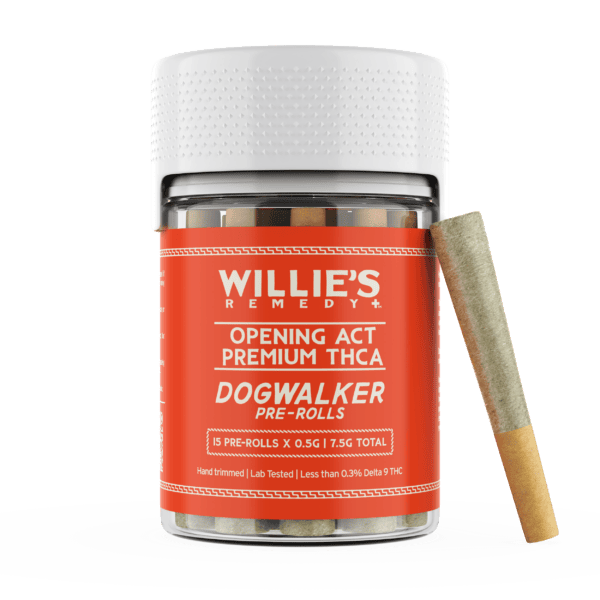
THCA Dogwalker Pre-Rolls – Willie’s Remedy
$44.99$67.99
The Difference Between Testing and Testing
The first thing worth untangling is the difference between testing that exists to genuinely verify a product and testing that exists primarily to generate a marketing asset. Every hemp product on the market has, in some sense, been “tested” the question is what was tested, by whom, using what methodology, and whether the results were ever independently verified or simply generated in-house and reported without external scrutiny. A brand can run a basic potency check using inexpensive in-house equipment, print “lab-tested” on the packaging, and be making a technically true statement that conveys almost nothing about the product’s actual safety, purity, or accuracy relative to its labeling.
Genuine third-party testing looks fundamentally different. It involves sending product samples to an independent laboratory one with no financial relationship to the brand beyond the testing contract itself, no incentive to produce favorable results, and no involvement in the product’s formulation or marketing. That independence is the entire point. A lab that’s financially entangled with the brand it’s testing has, even unintentionally, a structural incentive to produce results that make the product look good, while a genuinely independent lab has no such pressure, which is precisely why regulatory bodies and quality-conscious brands across the entire consumables industry food, supplements, pharmaceuticals have long relied on third-party verification rather than self-reported internal testing as the gold standard for consumer trust.
What a Real Certificate of Analysis Actually Contains
The tangible output of legitimate third-party testing is a document called a Certificate of Analysis, or COA, and learning to read one properly is probably the single most useful skill a hemp consumer can develop. A thorough, trustworthy COA does considerably more than confirm a product contains the cannabinoids it claims to contain. It includes a full cannabinoid potency breakdown, confirming not just the primary cannabinoid but the full profile of what’s actually present in the product, since incomplete or misleading labeling around secondary cannabinoids is a real issue across parts of the market. It includes contaminant screening across several categories that matter enormously for product safety residual solvents left over from extraction processes, heavy metals that can accumulate in plant material depending on growing conditions, pesticide residue from cultivation, and microbial contamination including mold and bacteria that can develop during improper storage or handling.
A genuinely thorough COA also includes a batch number that ties the specific test results to the specific production run a consumer actually has in hand, along with a testing date recent enough to be meaningfully relevant rather than a stale report from months or years earlier that may no longer reflect current formulation or sourcing. The laboratory itself should be clearly identified, ideally with some form of accreditation that can be independently verified rather than simply taken on faith. When a COA is missing several of these elements vague on contaminant screening, missing batch traceability, undated, or from an unnamed or unverifiable lab that absence is itself a meaningful signal, and often a more honest one than anything printed on the product’s marketing copy.
Recommended products
-
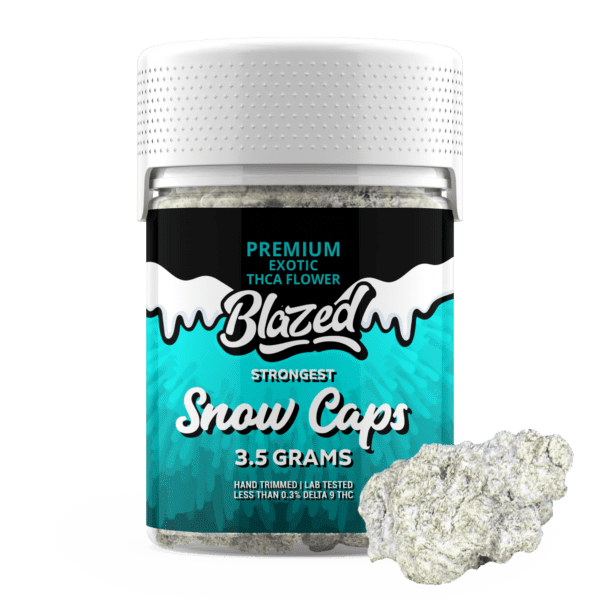
Blazed Strongest Exotic THCA Snow Caps
$58.99$93.99 -
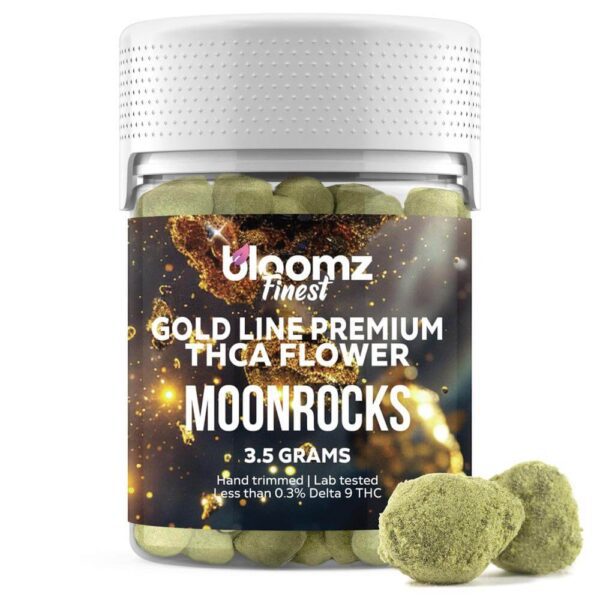
THCA Moonrocks – Gold Line
$57.99$89.99 -
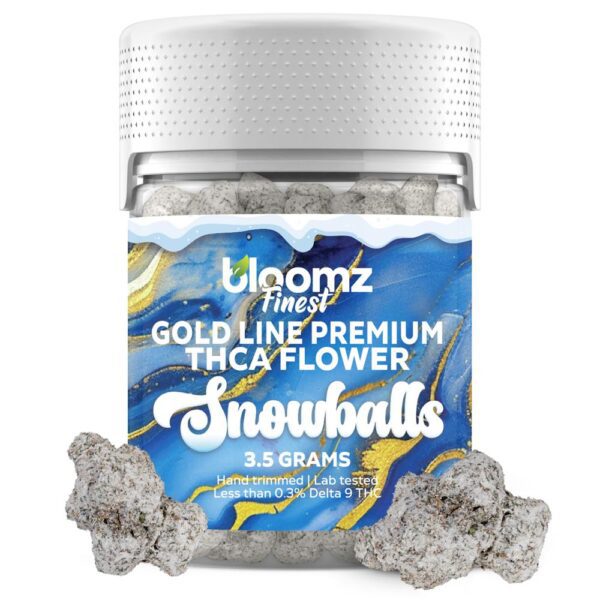
THCA Snowballs – Gold Line
$57.99$89.99 -
Blazed Exotic THCA Flower
$36.99$79.99
The Accreditation Question
Not all laboratories operate under the same standards, and this is a piece of the testing conversation that rarely gets the attention it deserves. Legitimate testing laboratories typically hold some form of recognized accreditation, often through standards bodies that evaluate a lab’s methodology, equipment calibration, and quality control processes on an ongoing basis rather than a one-time certification that never gets revisited. This accreditation matters because laboratory testing itself isn’t infallible different equipment, different methodologies, and different levels of rigor can produce meaningfully different results even when testing the exact same sample, which is part of why the testing industry has developed standardized accreditation processes in the first place, aimed at ensuring a baseline level of reliability across labs that consumers have no direct way of evaluating themselves.
A brand that works with an accredited, reputable laboratory and makes that relationship transparent is signaling something genuinely meaningful about its priorities. A brand that’s vague about which lab it uses, or that rotates between labs without clear explanation, or that can’t produce accreditation information when asked, is signaling something too just not the thing its marketing copy is trying to imply. This is one of the clearer, more objective ways to differentiate between hemp brands that treat testing as a genuine quality commitment and those that treat it as a checkbox to clear before shipping.
Why In-House Testing Alone Isn’t Enough
None of this is meant to suggest that in-house testing is worthless internal quality control processes are a legitimate and important part of responsible manufacturing, and brands that skip internal testing entirely are cutting corners in a different, equally concerning way. The issue is specifically with brands that rely on in-house testing exclusively, using it as a substitute for independent verification rather than a complement to it. Internal testing, however well-intentioned, carries an inherent conflict of interest that no amount of good faith can fully eliminate. A company testing its own hemp product has a natural incentive, even subconsciously, to interpret ambiguous results favorably, to be less rigorous about flagging borderline contaminant levels, or to simply not test for categories of contamination that might produce unfavorable results.
Independent third-party testing exists precisely to remove that conflict of interest from the equation. It doesn’t mean in-house quality control becomes irrelevant a robust brand typically maintains both, using internal testing throughout production as an ongoing quality checkpoint while relying on independent third-party testing as the final, trustworthy verification that actually reaches the consumer in the form of a published COA. When a brand relies solely on internal claims without any independent verification, that absence should be read as a meaningful gap, regardless of how confidently the marketing language around the product is written.
Recommended products
-
2 Gram THCA Pre-Rolls – 5 Pack
$63.99$89.99 -
THCA HashHole Pre-Rolls – Willie’s Remedy
$24.99$34.99 -
THCA Headliner Pre-Rolls – Willie’s Remedy
$37.99$54.99 -
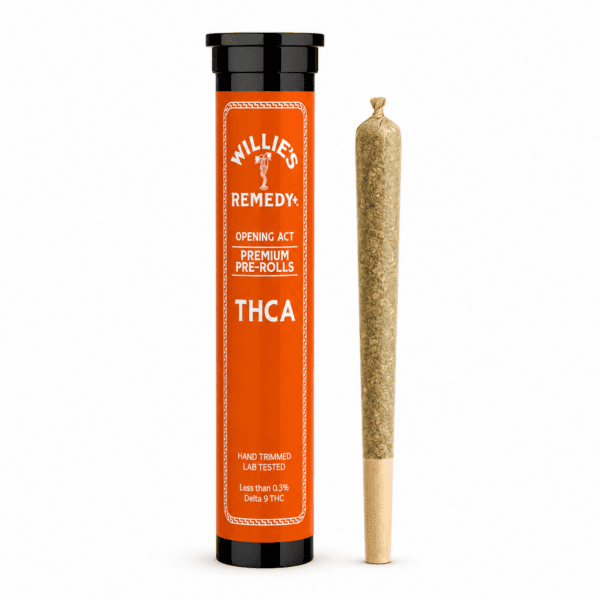
THCA Opening Act Pre-Rolls – Willie’s Remedy
$29.99$43.99
The Batch Traceability Problem
One of the more subtle but genuinely important issues in hemp testing involves batch traceability the question of whether the COA a consumer can access actually corresponds to the specific product they’re holding, or whether it’s a general reference document that may have been generated for an entirely different production run. This distinction matters enormously in practice. Formulations can shift between batches due to ingredient sourcing changes, and contamination issues, when they occur, are often specific to a particular production run rather than a permanent characteristic of the product line as a whole. A COA that isn’t tied to a specific, identifiable batch number is providing a kind of general reassurance that may have very little to do with the actual product sitting on a shelf or in a consumer’s hands.
Brands that take testing seriously build batch traceability into their packaging and documentation as a matter of course, typically through a batch number printed directly on the product that consumers can cross-reference against a specific, dated COA, often accessible through a QR code or a straightforward lookup on the brand’s website. This kind of system requires real operational investment maintaining organized records, updating testing documentation for every new production run, making that information genuinely accessible rather than technically available but practically buried. Its presence, or absence, tends to correlate strongly with how seriously a brand takes quality control as an ongoing operational commitment rather than a one-time compliance exercise.
Reading Between the Lines of Vague Testing Claims
Part of becoming a more literate hemp consumer involves learning to notice the specific language brands use around testing, because there’s a meaningful difference between precise, verifiable claims and vague reassurance dressed up to sound precise. Phrases like “tested for quality and purity” without any specifics about what was tested, by whom, or when, are doing rhetorical work rather than conveying real information. Genuine transparency looks different it names the testing laboratory, specifies what contaminant categories were screened, provides a way to access the actual COA rather than simply asserting that testing happened, and updates that information as new batches move through production.
This distinction extends to how brands respond when asked directly about their testing practices. A brand with genuinely rigorous third-party testing processes tends to answer specific questions about laboratory accreditation, testing frequency, and contaminant screening categories readily and specifically, because there’s real substance behind the claim. A brand relying more heavily on vague marketing language tends to respond to the same specific questions with more generalized reassurance, which is itself a useful diagnostic for anyone trying to evaluate a brand’s actual commitment to verification rather than just its marketing polish.
Recommended products
-
Exotic THCA Smalls
$169.99$329.99 -
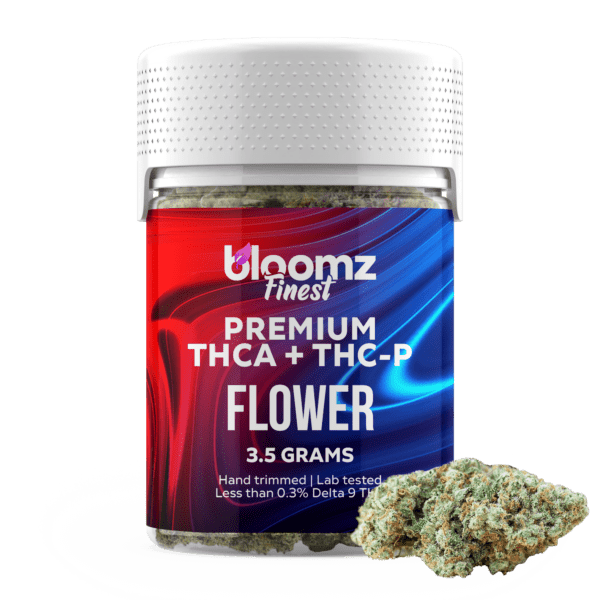
THCA + THC-P Flower
$47.99$89.99 -
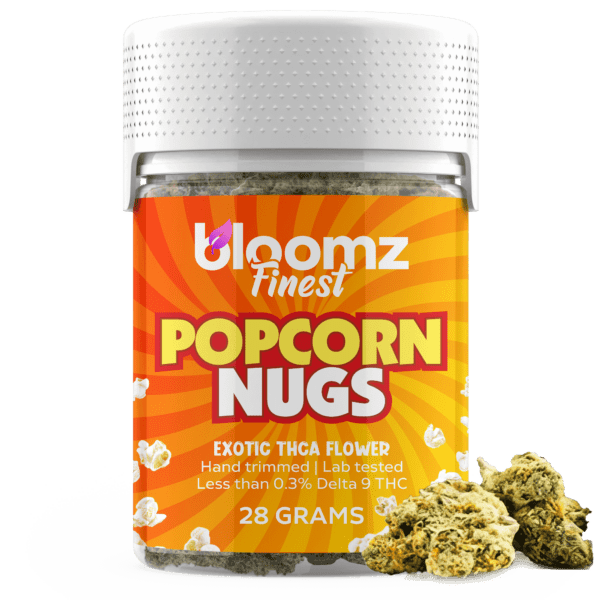
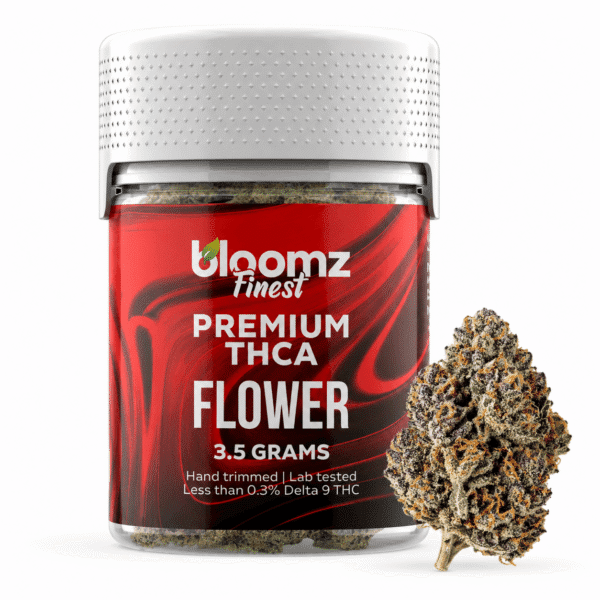
THCA Flower
$27.99$79.99 -
THCA Pre-Rolls – 3-Pack/6-Pack
$30.99$59.99
Why This Matters More as the Category Grows
As the hemp industry continues to expand and attract more entrants, the gap between rigorously tested and loosely tested products is likely to widen rather than narrow, at least in the near term. Lower barriers to entry mean more brands entering the market without the operational infrastructure or genuine commitment required to maintain rigorous third-party testing practices, while more established or quality-focused brands continue investing further into transparency and verification as a genuine point of differentiation. This makes consumer literacy around testing more valuable now than it’s ever been, not less the phrase “lab-tested” is likely to keep appearing on packaging regardless of what’s actually behind it, which means the responsibility increasingly falls on consumers themselves to understand what a real COA looks like, what accreditation actually signals, and what questions are worth asking before taking a testing claim at face value.
The good news is that this literacy isn’t difficult to build. It requires learning to recognize a handful of concrete elements batch traceability, contaminant screening breadth, laboratory independence and accreditation, testing recency rather than mastering some deep technical expertise in analytical chemistry. Once those elements become second nature to look for, the phrase “lab-tested” stops being an empty reassurance and starts functioning the way it always should have: as a genuinely verifiable signal of a brand’s actual commitment to what it’s putting into the world.
To Buy Cannabis Flower Click Here
Recommended products
-
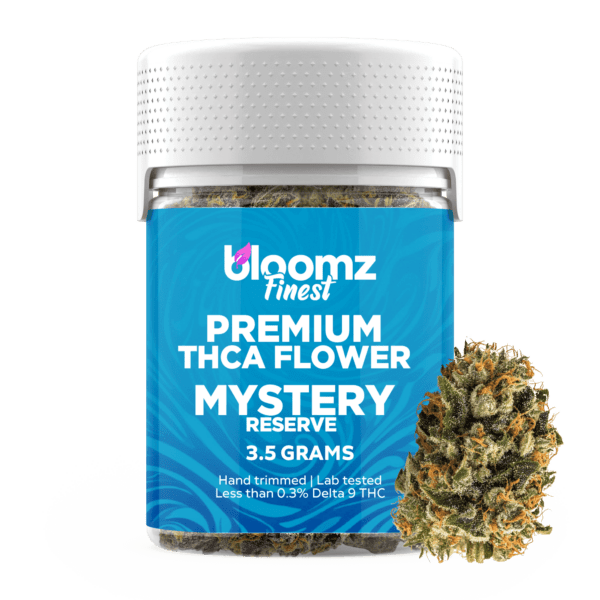
THCA Flower – Mystery Reserve
$41.99$79.99 -
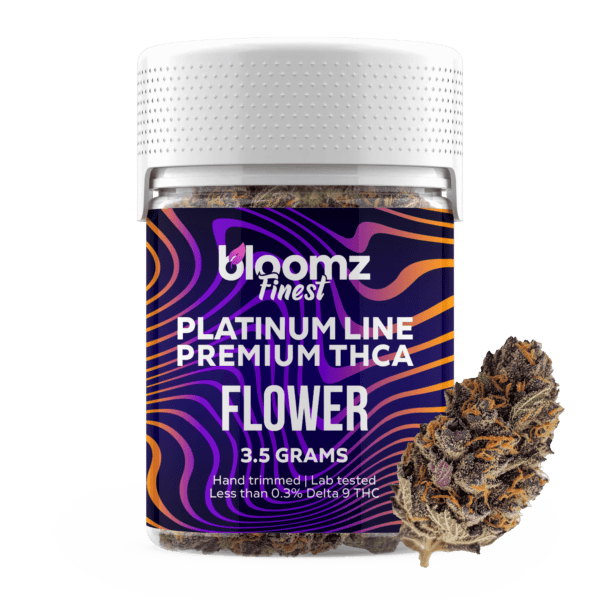
THCA Flower – Platinum Line
$47.99$79.99 -
THCA Smalls
$139.99$256.99 -
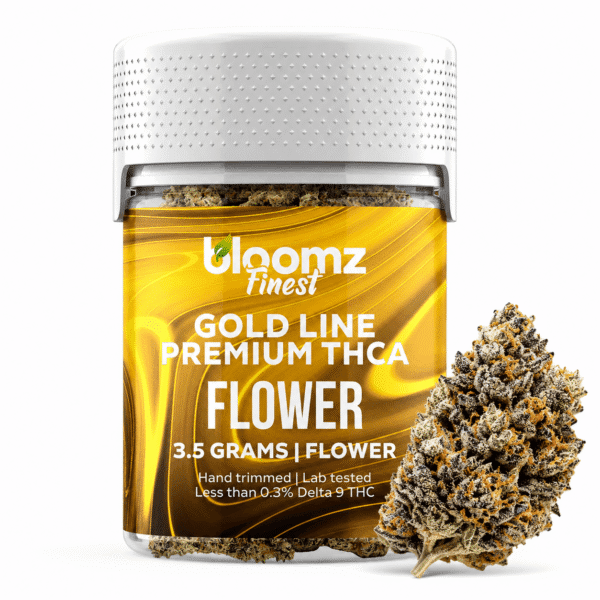
THCA Flower – Exotics – Gold Line
$37.99$89.99