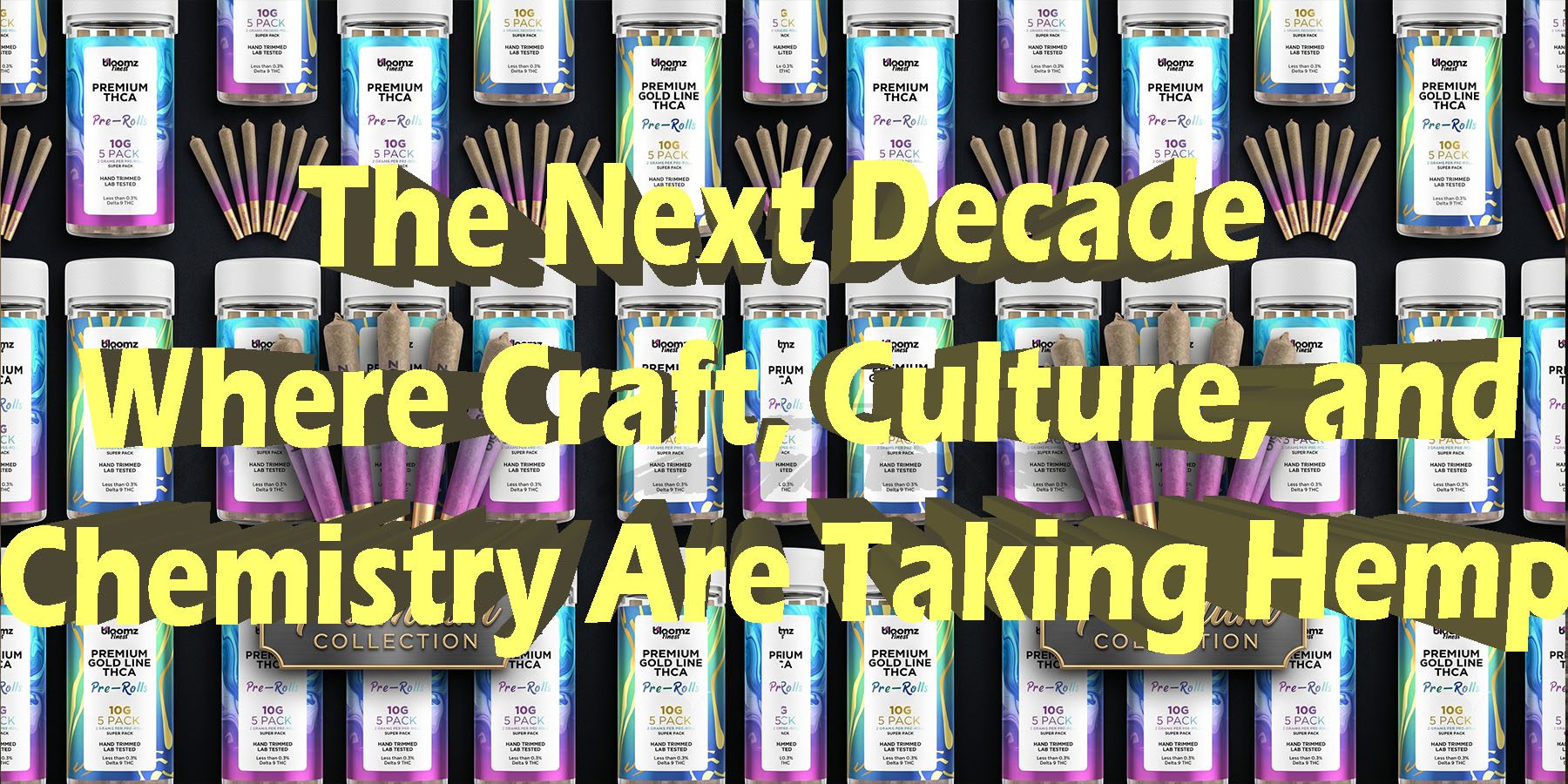
Every category goes through a predictable arc on its way toward maturity, and hemp is somewhere in the messy, exciting middle of that arc right now. The early years of any emerging industry tend to be defined by a scramble for basic legitimacy proving the category can exist, survive regulatory scrutiny, and find a stable commercial footing.
Once that foundational work is largely settled, the more interesting phase begins: the phase where competition shifts from simple survival toward genuine craft, where the questions being asked internally move from “can we sell this” to “how good can this actually get.” Hemp is entering that second phase now, and the shape of the next decade is going to be defined by how seriously the industry takes the harder, more interesting questions that come with it.
To Buy Cannabis Flower Click Here
Recommended products
-
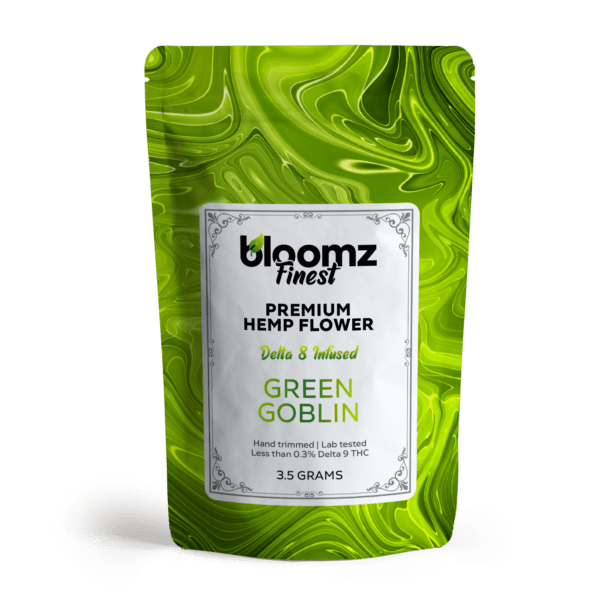
Delta 8 THC Flower
$24.99$39.99 -
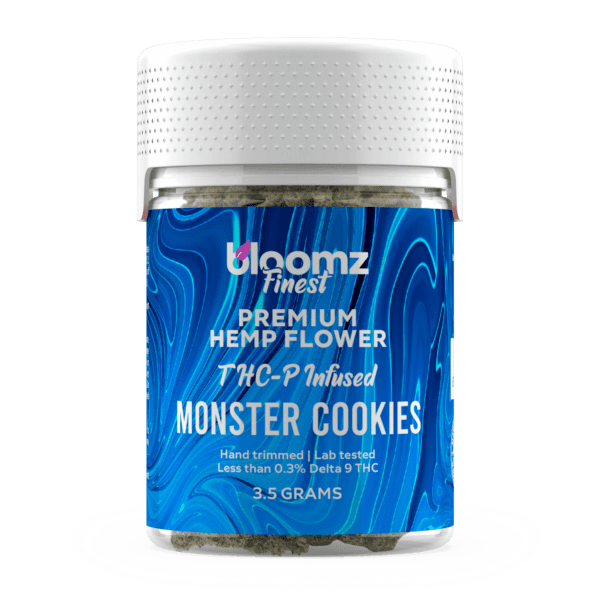
THC-P Flower
$29.99$43.99 -
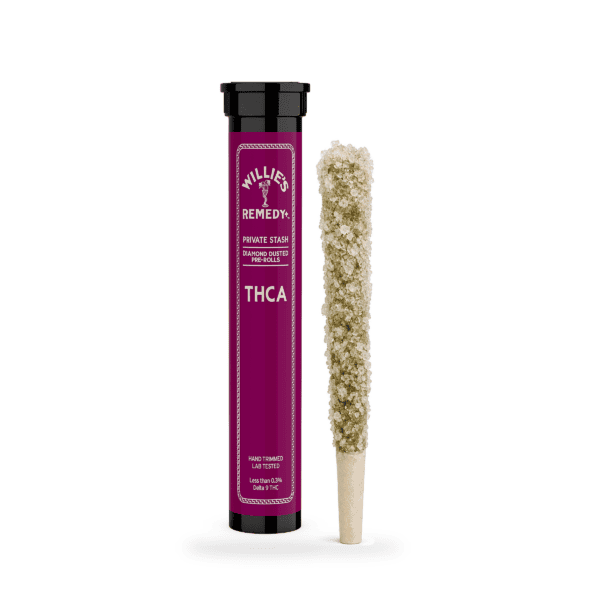
THCA Diamond Dusted Pre-Rolls – Willie’s Remedy – 5 Pack
$69.99$109.99 -
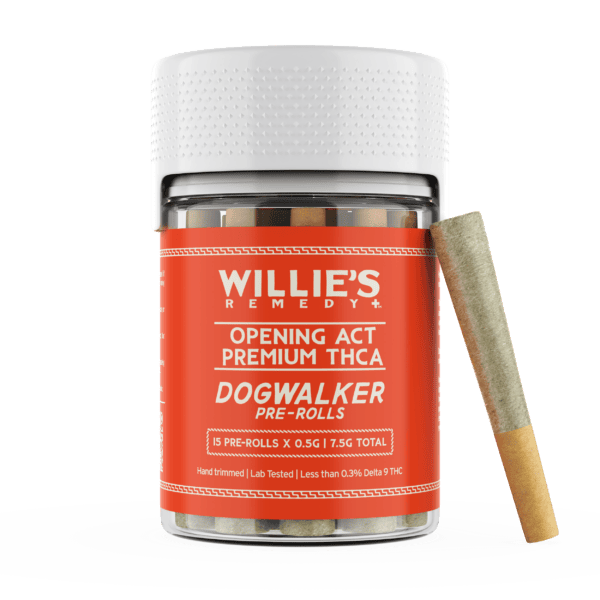
THCA Dogwalker Pre-Rolls – Willie’s Remedy
$44.99$67.99
From Potency Wars to Experience Wars
The first several years of the modern hemp market were shaped heavily by what might be called the potency wars a period defined almost entirely by competition over cannabinoid concentration, with brands racing to offer the strongest, most potent product they could formulate and market. This wasn’t an unreasonable strategy for an early-stage market; potency is easy to measure, easy to compare, and easy to communicate, which made it a convenient axis for a young industry still figuring out how to differentiate itself. But potency-focused competition has a natural ceiling, both because there are real practical limits to how far it can be pushed and because consumers, over time, tend to develop more sophisticated preferences that go well beyond a single number on a label.
What’s replaced the potency wars, and what’s likely to define competition for the next decade, is something closer to an experience war competition centered on flavor sophistication, formulation craft, consistency, transparency, and the overall quality of what it actually feels like to use a product from first impression to last. This shift mirrors what’s happened in nearly every other consumables category as it matures. Coffee moved past a simple caffeine-content race toward an obsession with origin, roast profile, and brewing method. Craft beer moved past alcohol content toward an entire culture built around flavor complexity and brewing technique. Hemp appears to be tracing the same arc, and the brands positioning themselves for the next decade are the ones already competing on experience rather than raw specification.
The Coming Sophistication of Flavor Science
Flavor is likely to remain one of the most active areas of innovation and competition in hemp over the coming years, and the current state of terpene-driven formulation is almost certainly just an early chapter in a much longer story. As extraction and formulation technology continues to improve, it’s reasonable to expect increasingly precise control over terpene profiles the ability to fine-tune not just which terpenes are present but their exact ratios, creating flavor experiences with a level of nuance and reproducibility that would have been impractical just a few years ago. This kind of precision is likely to push flavor development in hemp closer to how perfumers and master flavorists approach their own crafts, treating terpene composition as a genuinely creative medium rather than simply a technical afterthought layered onto a cannabinoid delivery system.
There’s also likely to be continued growth in single-origin and terroir-driven products, as more brands recognize that cultivation origin genuinely shapes the sensory outcome of a finished product, much the way coffee and wine have long organized themselves around origin-specific offerings. It wouldn’t be surprising to see hemp products marketed with the same kind of origin specificity that’s now standard in specialty coffee naming a specific growing region, harvest season, or cultivation method as a genuine selling point rather than an obscure technical detail. This kind of specificity requires real supply chain sophistication to execute honestly, which means it’s likely to remain a meaningful point of differentiation between brands willing to invest in that infrastructure and those simply following market trends without the underlying substance to back them up.
Recommended products
-
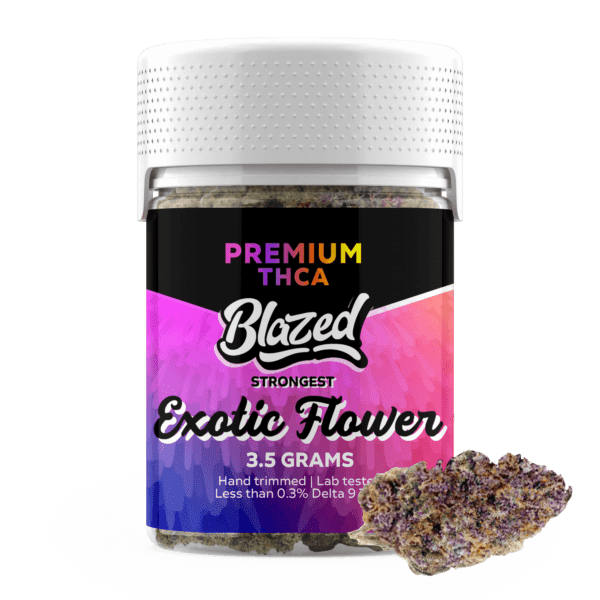
Blazed Exotic THCA Flower
$36.99$79.99 -
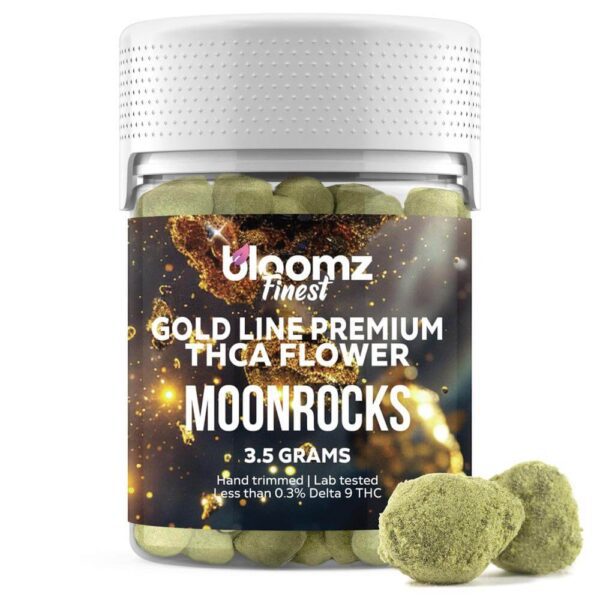
THCA Moonrocks – Gold Line
$57.99$89.99 -
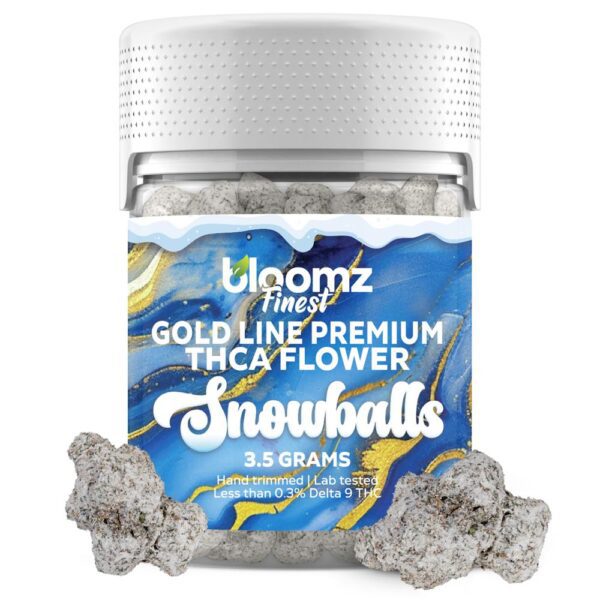
THCA Snowballs – Gold Line
$57.99$89.99 -
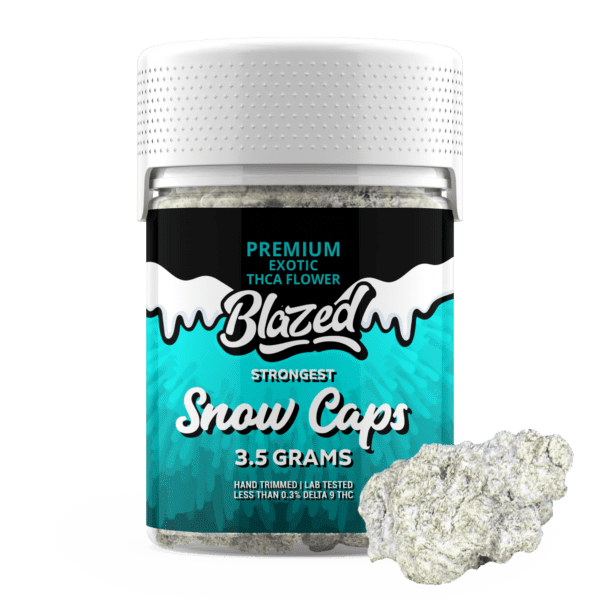
Blazed Strongest Exotic THCA Snow Caps
$58.99$93.99
Transparency as a Competitive Advantage, Not Just a Compliance Requirement
One of the more significant shifts likely to unfold over the next decade involves how the industry thinks about transparency moving it from a defensive compliance posture toward a genuine, actively marketed competitive advantage. Early-stage industries tend to treat disclosure requirements as obligations to be met with minimum effort, but mature industries tend to discover that radical transparency, done well, becomes a powerful trust-building tool rather than simply a regulatory box to check. Consumers increasingly want to understand not just that a product was tested but what specifically was tested, by whom, and how that information connects to the exact batch sitting in front of them.
Brands that get ahead of this shift, building genuinely accessible traceability systems and treating transparency as a core part of their value proposition rather than a defensive necessity, are likely to build the kind of durable consumer trust that becomes very difficult for competitors to replicate quickly. This mirrors patterns seen in food and supplement industries, where brands that embraced ingredient transparency and supply chain visibility early ended up building meaningfully stronger consumer loyalty than competitors who treated disclosure as a minimum viable compliance exercise. There’s every reason to expect a similar dynamic to play out in hemp over the coming years, particularly as consumer literacy around testing, sourcing, and formulation continues to grow.
The Format Innovation Still to Come
Consumption formats have already diversified considerably beyond the early dominance of flower and basic tinctures, but there’s likely a great deal more innovation still ahead in how hemp products are actually delivered and experienced. The current generation of vapes, gummies, and beverages represents an important step forward, but formats tend to keep evolving as an industry matures, often in directions that aren’t obvious until someone actually builds them. It’s reasonable to expect continued experimentation with format hybrids products that blur the lines between categories, combining elements of edibles and beverages, or vapes and topical applications, in ways that create genuinely new consumption experiences rather than simply iterating on existing ones.
There’s also likely to be continued growth in formats designed explicitly around specific social or lifestyle contexts rather than generic, one-size-fits-all use cases products built specifically for hosting occasions, for pairing with particular activities, for specific times of day or social settings. This kind of context-specific format innovation reflects a broader maturation pattern where a young industry’s early, generalized products gradually give way to a more differentiated ecosystem of purpose-built offerings, each designed around a specific moment or use case rather than trying to be everything to everyone at once.
Recommended products
-
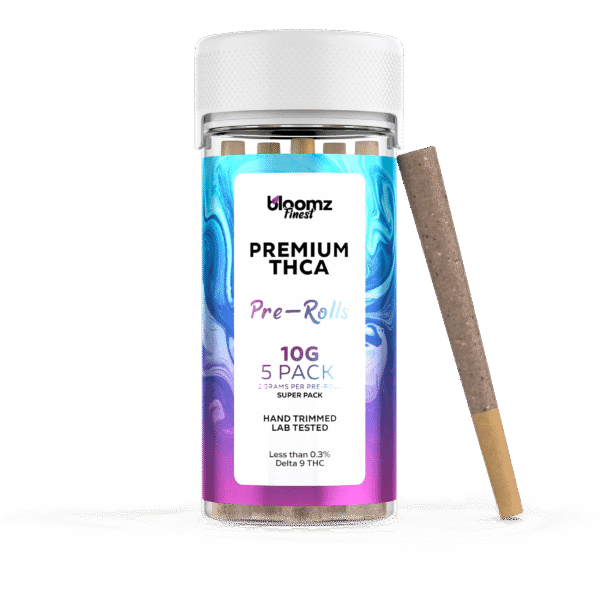
2 Gram THCA Pre-Rolls – 5 Pack
$63.99$89.99 -
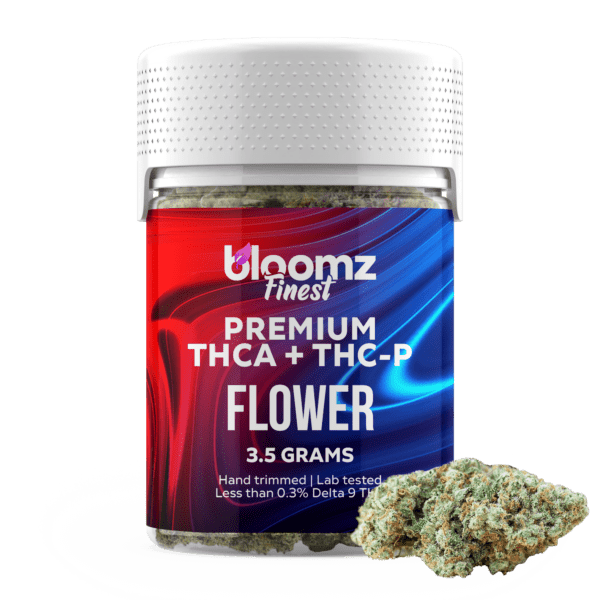
THCA + THC-P Flower
$47.99$89.99 -
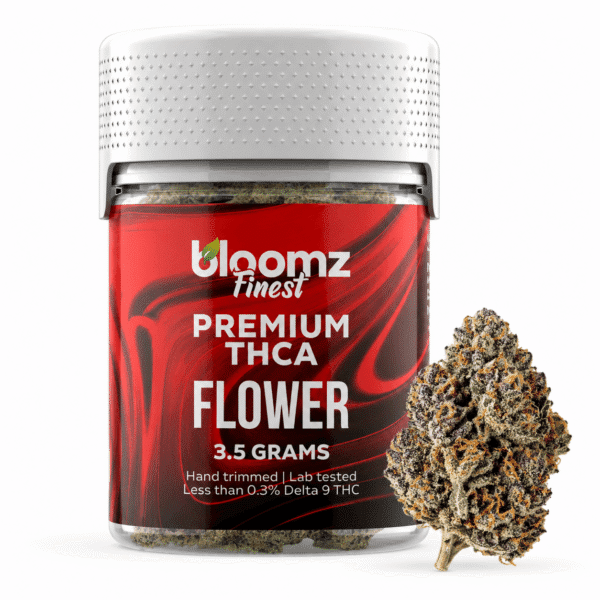
THCA Flower
$27.99$79.99 -
Exotic THCA Smalls
$169.99$329.99
Consolidation and the Survival of Craft
No discussion of where an industry is headed would be complete without acknowledging the less romantic, more structural forces at play, and consolidation is almost certainly part of hemp’s near future. Emerging industries tend to go through a wave of market consolidation as they mature, with larger, better-capitalized players acquiring or outcompeting smaller ones, and there’s no strong reason to expect hemp to be an exception to that pattern. This raises a genuinely important question for the category’s future: whether consolidation ends up squeezing out the smaller, craft-focused brands that have driven much of the recent innovation in flavor and formulation, or whether the market matures in a way that leaves room for both large-scale players competing on consistency and price, and smaller, craft-oriented brands competing on innovation and experience the same bifurcated structure that’s emerged in beer, coffee, and spirits, where mass-market and craft segments coexist rather than one fully displacing the other.
The brands most likely to survive this consolidation phase with their identity intact are probably the ones that have built genuine differentiation around craft and experience rather than competing purely on price or distribution scale, since those are exactly the qualities that tend to survive and even thrive in the more competitive, consolidated markets that eventually emerge in any maturing industry.
Regulatory Clarity as a Catalyst, Not Just a Constraint
It’s worth acknowledging, without wading too far into speculation, that regulatory frameworks around hemp continue to evolve, and further regulatory clarity over the coming years is likely to function as a genuine catalyst for the kind of craft-oriented, experience-focused competition described throughout this piece. Ambiguous or inconsistent regulatory environments tend to reward opportunistic, short-term thinking, while clearer, more stable regulatory frameworks tend to reward longer-term investment in quality, consistency, and brand-building precisely the conditions under which genuine craft and innovation tend to flourish. As the regulatory landscape continues to stabilize, it’s reasonable to expect more serious, long-term capital and expertise flowing into the category, accelerating exactly the kind of sophistication this piece has been describing throughout.
Recommended products
-
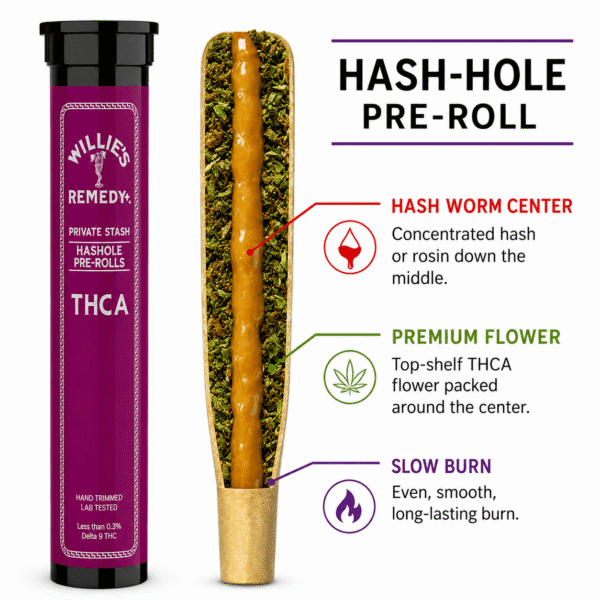
THCA HashHole Pre-Rolls – Willie’s Remedy
$24.99$34.99 -
THCA Headliner Pre-Rolls – Willie’s Remedy
$37.99$54.99 -
THCA Opening Act Pre-Rolls – Willie’s Remedy
$29.99$43.99 -
Exotic 2 Gram THCA Pre-Rolls – 5 Pack – Gold Line
$67.99$99.99
The Cultural Normalization Curve
Underlying all of these more specific predictions is a broader cultural pattern worth naming directly: hemp is moving along a normalization curve that other once-stigmatized consumables have traced before it, and that curve tends to follow a fairly consistent shape. Early stigma gives way to cautious mainstream acceptance, which gives way to genuine cultural integration, which eventually gives way to a kind of unremarkable, everyday familiarity where a product category simply becomes part of the ordinary texture of social life rather than something requiring explanation or justification. Coffee, craft beer, and specialty spirits have all traced versions of this curve, and hemp appears to be somewhere in the middle of it well past the early stigma phase, deep into cautious mainstream acceptance, and moving steadily toward the kind of unremarkable cultural integration that tends to mark a category’s full maturity.
This normalization curve matters enormously for how the next decade is likely to unfold, because cultural acceptance and product sophistication tend to reinforce each other in a compounding cycle. Greater acceptance creates more room for brands to invest seriously in craft and experience rather than defensive positioning, and that increased sophistication, in turn, accelerates further normalization by making the category feel more legitimate, more considered, and more worth taking seriously. There’s every reason to expect that cycle to keep accelerating over the next several years, pulling hemp further away from its stigmatized origins and closer toward the kind of thoughtful, craft-driven category that coffee and craft beer have already become.
What Stays the Same
Amid all this change, it’s worth naming what’s likely to remain constant, because not everything about the next decade represents a break from what’s come before. The fundamental appeal of hemp products the ritual, the flavor, the social and lifestyle context surrounding consumption is likely to persist even as the specific formulations, formats, and cultural framing around that appeal continue to evolve. The brands that succeed over the next decade probably won’t be the ones that chase every emerging trend reflexively, but the ones that hold onto a clear, consistent identity around craft and experience while remaining genuinely responsive to how the category’s chemistry, culture, and consumer expectations continue to shift beneath them.
That balance staying true to a clear point of view while remaining genuinely curious about what’s still possible is probably the closest thing to a reliable formula for navigating whatever the next decade actually brings. The category has already changed more in its recent history than most people would have predicted a few years ago, and there’s no strong reason to expect that pace of change to slow down anytime soon.
To Buy Cannabis Flower Click Here
Recommended products
-
THCA Flower – Exotics – Gold Line
$37.99$89.99 -
THCA Flower – Mystery Reserve
$41.99$79.99 -
THCA Smalls
$139.99$256.99 -
THCA Flower – Platinum Line
$47.99$79.99