Ask a wine enthusiast why a Burgundy tastes different from a Napa cabernet grown from the exact same grape varietal, and you’ll get a lecture on terroir the idea that soil composition, elevation, rainfall, and even the angle of afternoon sunlight leave a fingerprint on what ends up in the glass. It’s a concept the wine world has spent centuries refining into near-religious doctrine.
The hemp industry, by contrast, has spent most of its short commercial life treating cultivation origin as a footnote at best, an afterthought buried somewhere below cannabinoid percentage on a spec sheet. That’s starting to change, and for good reason. The more closely you look at how hemp actually grows, the harder it becomes to ignore that the land a plant comes from does something to the final product not in some mystical sense, but in a way that’s traceable straight back to plant biochemistry.
To Buy Cannabis Flower Click Here
Recommended products
-
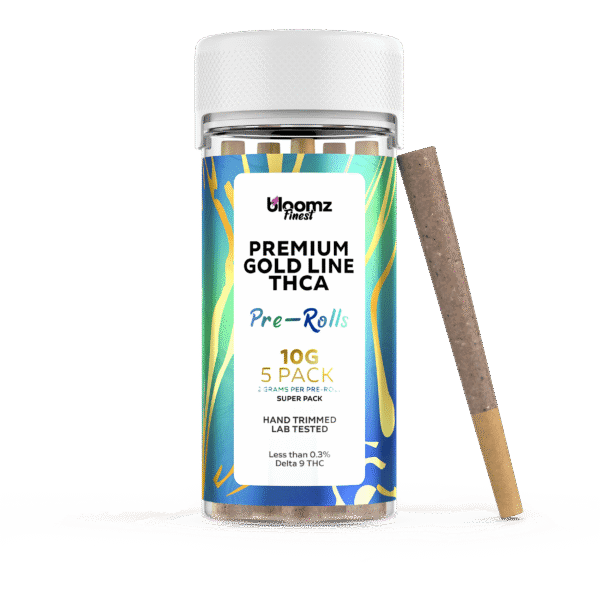
2 Gram THCA Pre-Rolls – 5 Pack
$63.99$89.99 -
Delta 8 THC Flower
$24.99$39.99 -
THC-P Flower
$29.99$43.99 -
Exotic 2 Gram THCA Pre-Rolls – 5 Pack – Gold Line
$67.99$99.99
Why Terroir Isn’t Just a Wine Marketing Trick
The skepticism around applying terroir to hemp is understandable. It’s a word that’s been stretched thin by marketing departments across a dozen industries, slapped onto everything from coffee to chocolate to justify a price premium that may or may not reflect anything measurable. But underneath the marketing gloss, terroir describes something real and specific: the way environmental conditions during a plant’s growth cycle influence its chemical output. Cannabis and hemp plants are exceptionally biochemically responsive organisms.
They produce cannabinoids and terpenes as part of a broader metabolic response to their environment, meaning stress, light exposure, temperature swings, and soil chemistry aren’t just background conditions they’re active inputs into what the plant ultimately synthesizes. A hemp plant grown in a controlled indoor facility under stable lighting is going through a fundamentally different developmental experience than one grown outdoors under fluctuating sun and temperature, and that difference doesn’t stay abstract. It shows up in the plant’s chemistry, and eventually, in the product you’re holding.
This is the part that gets lost when terroir gets waved off as marketing fluff. Nobody’s claiming that soil imparts some ineffable, unmeasurable magic. The claim is much more mundane and much more defensible: environment shapes biochemistry, biochemistry shapes terpene and cannabinoid expression, and terpene and cannabinoid expression shape the sensory experience of the final product. Once you accept that chain of causation, terroir stops being a romantic wine metaphor and starts looking like a legitimate variable that any serious hemp brand should be paying attention to.
Soil Chemistry and the Plant’s Chemical Vocabulary
Start at the root level, literally. Hemp is what’s sometimes called a hyperaccumulator, meaning it’s unusually efficient at pulling minerals and compounds out of the soil it’s grown in a trait that’s made it useful for phytoremediation projects but that also means the plant is deeply, measurably sensitive to what’s actually in the ground beneath it. Nitrogen levels, potassium availability, micronutrient balance, even soil pH all feed into how a hemp plant builds its cannabinoid and terpene profile over the course of a growing season. A nitrogen-rich soil might push a plant toward more vigorous vegetative growth at the expense of resin production, while a more balanced or intentionally stressed nutrient environment can shift the plant’s energy toward secondary metabolite production which is, in plain terms, where flavor and aroma compounds come from.
This is why two hemp crops of the same genetic strain, grown a few hundred miles apart, can produce noticeably different flavor outcomes even when every other cultivation variable is held roughly constant. The soil itself is speaking through the plant, contributing a kind of chemical vocabulary that shows up later as a specific terpene ratio, a particular aromatic intensity, a flavor note that reads as more citrus-forward in one batch and more earthy or peppery in another. Brands that take sourcing seriously understand this isn’t a minor curiosity it’s a variable worth tracking and controlling for, the same way a wine producer tracks which specific vineyard block a grape came from.
Recommended products
-
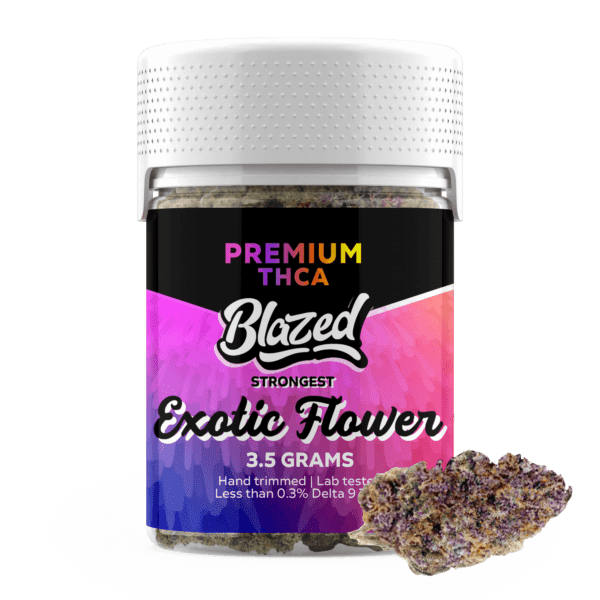
Blazed Exotic THCA Flower
$36.99$79.99 -
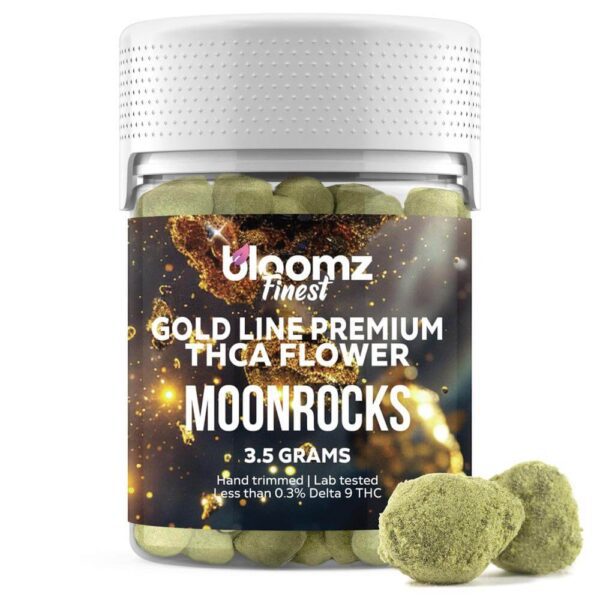
THCA Moonrocks – Gold Line
$57.99$89.99 -
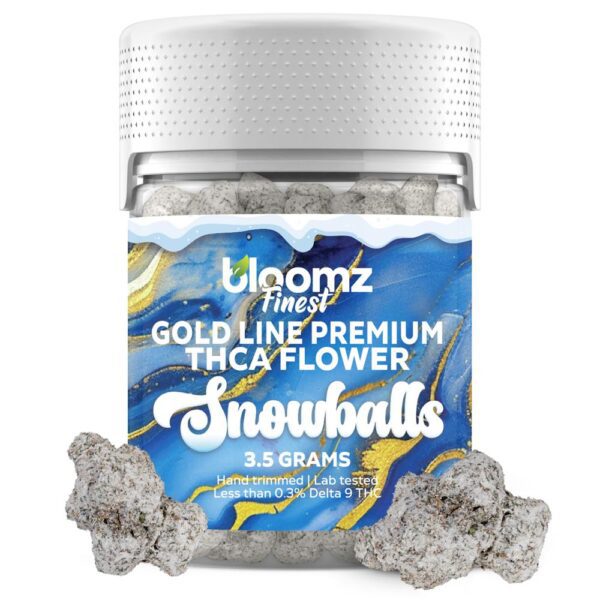
THCA Snowballs – Gold Line
$57.99$89.99 -
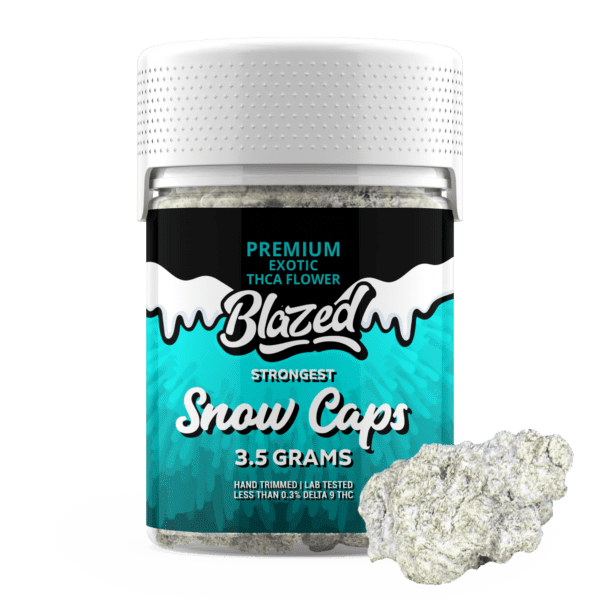
Blazed Strongest Exotic THCA Snow Caps
$58.99$93.99
Climate, Light, and the Stress Response
Beyond soil, climate does its own share of shaping. Hemp plants respond to temperature fluctuation, humidity, and light exposure in ways that directly influence terpene synthesis, and one of the more counterintuitive findings across cultivation research is that a certain amount of environmental stress can actually enhance flavor complexity rather than diminish it. A plant grown in a perfectly stable, climate-controlled indoor environment tends to produce a cleaner, more uniform chemical profile useful for consistency, but sometimes at the cost of the layered complexity that shows up in plants that have had to adapt to a more variable outdoor climate.
Cooler nighttime temperatures during the final weeks of flowering, for instance, are often associated with more vivid terpene expression, a phenomenon anyone who’s followed craft cannabis cultivation will recognize immediately, since it’s part of why certain outdoor and greenhouse-grown batches develop reputations for more vibrant, more “alive” flavor profiles than their indoor counterparts.
Light exposure adds another layer entirely. The intensity, spectrum, and duration of light a hemp plant receives during its growth cycle influences not just yield but the specific balance of terpenes it produces, since certain terpene synthesis pathways are more active under particular light conditions than others. This is part of why cultivators who take flavor seriously don’t just ask “how much light” but “what kind, at what stage, for how long” — treating the light recipe itself as a formulation decision rather than a purely agricultural one.
The Genetics-Environment Interaction
None of this means genetics don’t matter they absolutely do, and a plant’s genetic lineage sets the outer boundaries of what terpene and cannabinoid profile it’s even capable of expressing. But genetics and environment don’t operate independently of each other; they interact continuously throughout the growth cycle, which is why the same genetic strain can taste meaningfully different depending on where and how it’s cultivated. Think of genetics as the instrument and environment as the room it’s played in. A violin is still a violin regardless of the room, but the acoustics of that room shape what actually reaches your ear, and a truly resonant space can bring out overtones and richness that a dead, flat room simply can’t produce. Terroir, in hemp terms, is that room the acoustic environment the plant’s genetic instrument gets to perform in.
This interaction is exactly why cultivation origin deserves more attention from brands and consumers alike than it currently gets. A brand that sources the same genetic strain from multiple growing regions isn’t just diversifying supply chains for logistical convenience; if it’s paying attention, it’s also creating an opportunity to identify which environmental conditions bring out the most compelling version of that genetic profile, the same way a winemaker might identify which specific vineyard site produces the most expressive version of a given grape varietal.
Recommended products
-
Exotic THCA Smalls
$169.99$329.99 -
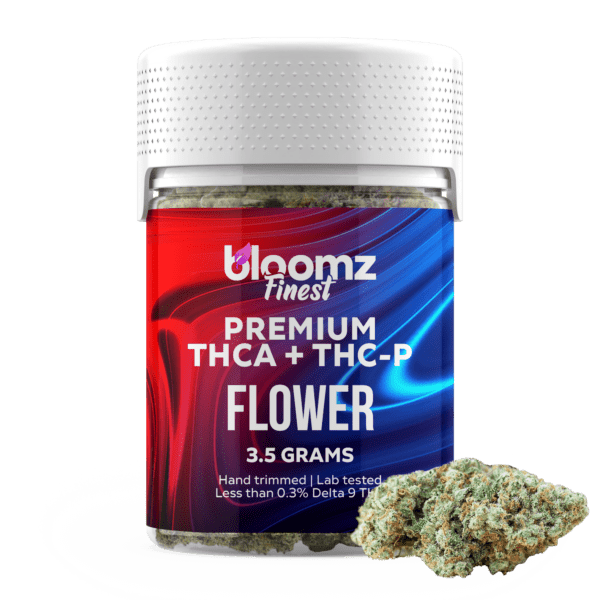
THCA + THC-P Flower
$47.99$89.99 -
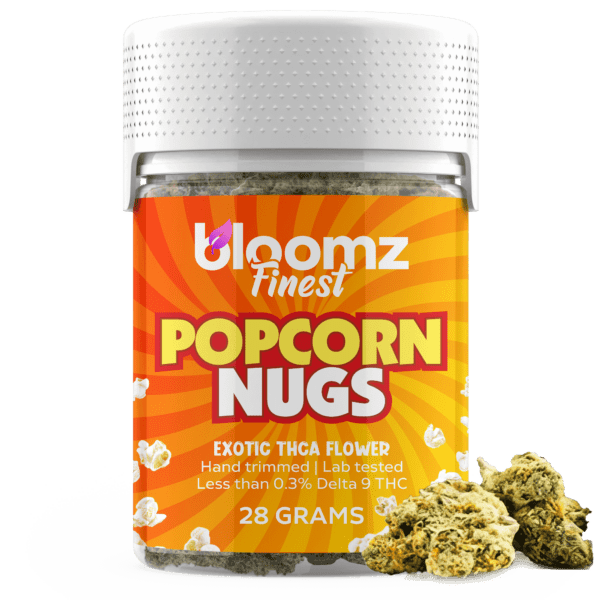
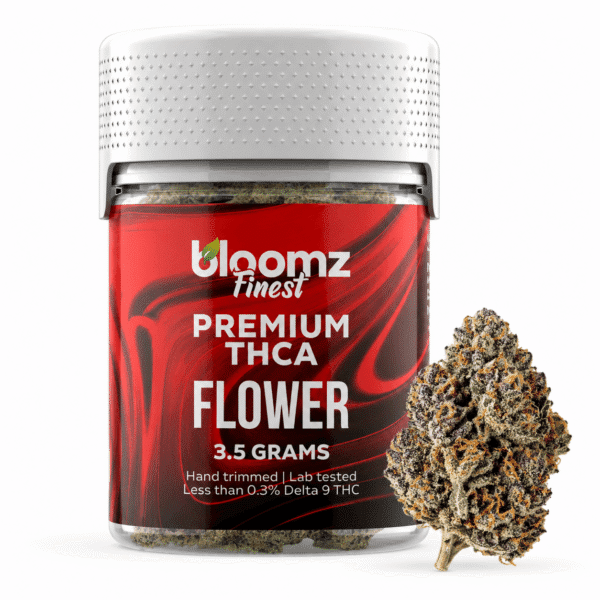
THCA Flower
$27.99$79.99 -
THCA Pre-Rolls – 3-Pack/6-Pack
$30.99$59.99
Indoor, Greenhouse, and Outdoor: Three Different Chemical Stories
It’s worth spending a moment on the practical cultivation categories that actually exist in the market, because each one tells a genuinely different terroir story. Indoor cultivation offers maximum control stable temperature, engineered light spectrum, precise nutrient delivery and tends to produce the most consistent, predictable chemical output batch to batch. That consistency is valuable, particularly for brands that prioritize reliability above all else, but it can come at the cost of some of the complexity that more variable growing conditions tend to produce.
Greenhouse cultivation splits the difference, offering natural light exposure and some degree of climate variability while still providing enough environmental control to manage consistency, which is part of why greenhouse-grown hemp has developed a reputation in some circles as a flavor sweet spot between the polish of indoor growing and the complexity of full outdoor cultivation. Outdoor cultivation, meanwhile, hands the reins almost entirely to the local climate and soil, producing the widest variation between harvests and regions but also, often, the most distinctive and terroir-driven flavor outcomes the hemp equivalent of a single-vineyard wine that tastes noticeably different from one vintage to the next.
None of these categories is objectively superior; they represent different tradeoffs between consistency and complexity, and the right choice depends entirely on what a brand is trying to deliver. What matters is that a brand actually understands which tradeoff it’s making, rather than treating cultivation method as an invisible backend detail that has no bearing on the final sensory experience.
Why This Should Matter to the Person Actually Consuming the Product
It would be easy to file all of this under “interesting agricultural trivia” and move on, but terroir has a very direct, very tangible connection to the actual experience of using a hemp product. It explains why a favorite flavor might taste subtly different from one harvest season to the next even when the product label and formulation haven’t changed. It explains why certain batches develop a kind of cult following for tasting unusually vibrant or complex, while other batches from the same product line feel comparatively flat. And it explains why brands that genuinely care about the sensory side of their products go out of their way to track and disclose cultivation origin, treating it as a meaningful piece of information rather than a logistics detail buried in a supply chain spreadsheet somewhere.
For a brand like Bloomz, whose entire flavor philosophy rests on treating taste as an engineered, intentional outcome rather than an accident, terroir isn’t a side conversation it’s foundational. If terpene expression begins in the soil and climate a plant is grown in, then flavor craftsmanship has to start there too, long before any formulation or extraction decision ever enters the picture. That means paying attention to where hemp is sourced, understanding what a given growing region tends to produce, and treating cultivation origin as one more lever in the broader project of building a genuinely intentional sensory experience, rather than something left entirely to chance.
The Future of Terroir in Hemp
As the hemp industry matures past its early emphasis on potency-at-any-cost, it’s a reasonable bet that terroir will follow a trajectory similar to what’s already happened in coffee and craft cannabis moving from an obscure, niche interest among enthusiasts to a genuine point of differentiation that shapes how products are marketed, sourced, and evaluated. Single-origin hemp, region-specific flavor profiles, and cultivation transparency all seem like natural next steps for an industry that’s increasingly competing on experience rather than raw specs. Brands that get ahead of that shift, treating cultivation origin as a meaningful variable rather than an invisible backend detail, are likely to be the ones that end up defining what “premium” actually means in hemp over the next decade not through louder marketing claims, but through products that simply taste like more care went into them, because it did, starting from the ground up.
To Buy Cannabis Flower Click Here
Recommended products
-
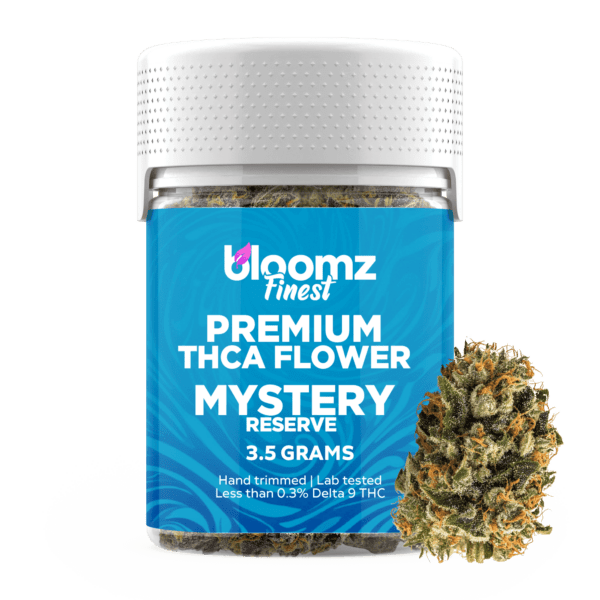
THCA Flower – Mystery Reserve
$41.99$79.99 -
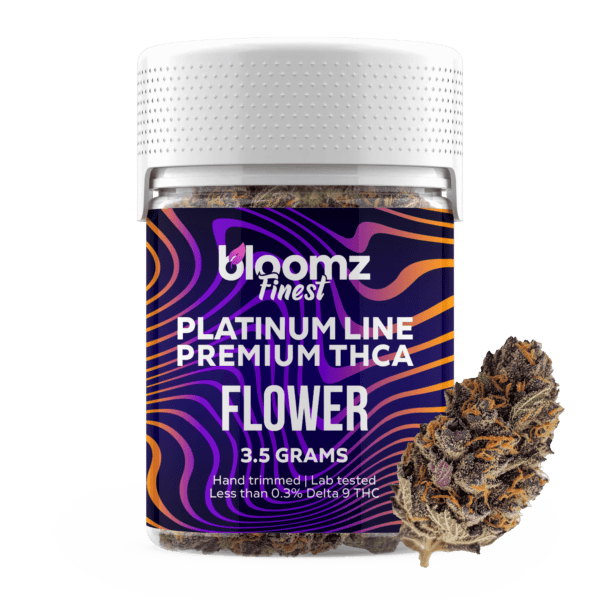
THCA Flower – Platinum Line
$47.99$79.99 -
THCA Smalls
$139.99$256.99 -
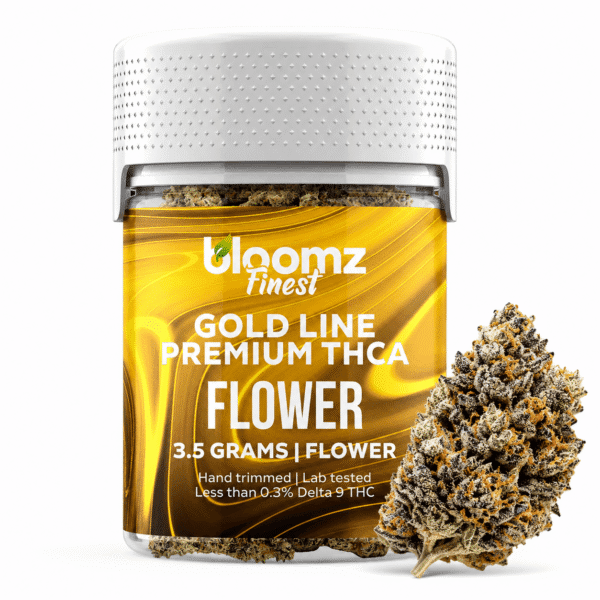
THCA Flower – Exotics – Gold Line
$37.99$89.99