The Invisible Architecture of Quality
Every hemp product that reaches a consumer’s hands has passed through a transformation process that is, for the vast majority of consumers, entirely invisible. The gummy in the resealable bag, the oil in the cartridge, the tincture in the dropper bottle none of these arrived in their current form directly from the hemp plant. They were made, through a series of chemical and mechanical processes that extracted the desired compounds from raw plant material, refined them to the appropriate purity and concentration, and formulated them into the consumer-facing product format. The quality of those processes the care and precision with which each step was executed is the primary determinant of what ends up in the product that the consumer eventually experiences.
This is the dimension of hemp product quality that is most thoroughly hidden from the consumer, and most consequentially so. A consumer can taste a flavor, assess a texture, read a label, and examine a Certificate of Analysis. They cannot directly observe an extraction run, assess the condition of a short-path distillation apparatus, or evaluate the temperature management practices applied during post-processing. The consumer’s access to information about extraction quality is limited to what the brand chooses to disclose and what the laboratory testing can verify which is why brands that take extraction quality seriously tend to also invest heavily in transparency, and brands that cut corners in extraction tend to prefer opacity.
Bloomz Hemp‘s extraction philosophy begins with a premise that is simple to state and difficult to execute: that the quality of a finished hemp product is ultimately bounded by the quality of the extract at its center, and that no amount of formulation creativity or marketing sophistication can compensate for extract that has been compromised by poor extraction practice. This premise is the operational foundation of everything Bloomz builds, and understanding it and understanding what good extraction actually requires is the key to understanding why Bloomz products feel different from most of what the hemp market produces.
To Buy Cannabis Flower Click Here
Recommended products
-
2 Gram THCA Pre-Rolls – 5 Pack
$63.99$89.99 -
Delta 8 THC Flower
$24.99$39.99 -
THC-P Flower
$29.99$43.99 -
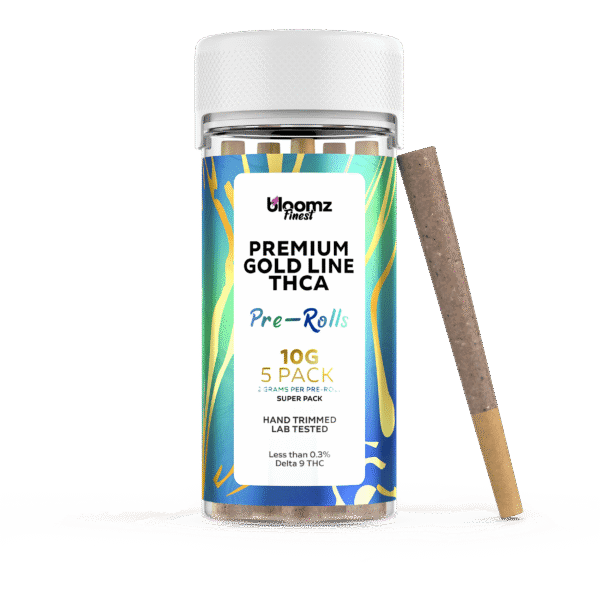
Exotic 2 Gram THCA Pre-Rolls – 5 Pack – Gold Line
$67.99$99.99
What Hemp Extraction Is and Why It Matters
Hemp extraction is the process of isolating desired compounds primarily cannabinoids and terpenes from raw hemp plant material in a concentrated, refined form suitable for use in consumer products. The raw hemp plant contains these compounds distributed throughout its cellular structure, embedded in a complex matrix of plant waxes, chlorophyll, lipids, proteins, sugars, and other compounds that are not desired in the finished extract. Extraction separates the desirable from the undesirable, and the method by which this separation is accomplished has profound implications for the quality, purity, and character of the result.
The choice of extraction method is the first and most fundamental quality decision a hemp extract producer makes, because different methods produce extracts with different profiles different levels of cannabinoid purity, different terpene preservation, different concentrations of unwanted co-extractants, and different residual solvent burdens. Understanding the major extraction methods and their respective trade-offs is the foundation of any serious evaluation of a hemp brand’s quality claims.
Supercritical CO2 extraction is widely regarded as the gold standard for premium hemp extract production, and for good reason. Carbon dioxide, when maintained at specific temperature and pressure conditions above its critical point, behaves as a highly selective solvent that efficiently extracts cannabinoids and terpenes while leaving behind a significant portion of the less desirable plant compounds. The process uses no hydrocarbon solvents, leaving no petrochemical residues in the finished extract. It is highly tunable different temperature and pressure parameters produce extracts with different cannabinoid-to-terpene ratios, allowing operators to dial in specific extract profiles with precision. And it is, critically, one of the gentler extraction methods with respect to terpene preservation a quality that is, as the rest of this article will make clear, of central importance to the character of the finished product.
Hydrocarbon extraction using solvents like butane, propane, or blends thereof is a highly efficient extraction method that produces excellent yields and can preserve terpenes effectively when executed with precision and care. It is widely used in the premium cannabis concentrate market and, when performed correctly with appropriate post-extraction purging, can produce extracts of very high quality. Its primary challenge in the hemp context is the requirement for rigorous solvent removalresidual hydrocarbons in the finished extract are a genuine safety concern, and the COA residual solvent panel is particularly important for products produced via hydrocarbon extraction. Brands using this method responsibly invest in thorough purging protocols and verify the results through finished product testing.
Ethanol extraction is a widely used method favored for its scalability and efficiency, capable of processing large volumes of plant material quickly and producing high cannabinoid yields. Its primary limitation with respect to product quality is its relatively low selectivity ethanol is a polar solvent that extracts cannabinoids and terpenes effectively but also pulls chlorophyll and other plant pigments that require additional post-processing to remove. Ethanol extraction at warm temperatures also tends to be harder on terpene profiles than CO2 or cold ethanol extraction, making it less ideal for applications where terpene preservation is a priority. Cold ethanol extraction, conducted at temperatures well below freezing, significantly improves selectivity and terpene preservation, and is used by quality-oriented producers who want the scalability advantages of ethanol without the terpene sacrifice.
The Terpene Preservation Imperative
Of all the quality dimensions affected by extraction method and process parameters, terpene preservation is the most significant for the consumer-facing experience and the one most frequently sacrificed in the interest of throughput and cost efficiency.
Terpenes are volatile compounds. They are the first things to leave a hemp extract when temperature, pressure, or processing time exceeds the tolerances they can survive. An extraction process that is optimized for cannabinoid yield rather than terpene preservation will reliably produce extracts with high cannabinoid concentrations and depleted terpene profiles — extracts that deliver potency but lack the aromatic complexity and experiential nuance that terpenes provide. These extracts are then typically flavored in post-processing, with terpenes added back from wholesale sources to produce products that have identifiable flavor profiles without the depth and authenticity of naturally preserved terpene content.
This is an extremely common practice in the hemp industry, and it is not inherently disqualifying terpenes added from quality botanical or cannabis-derived wholesale sources can produce genuinely good flavor profiles when used with craft and precision. But the ceiling of what can be achieved through terpene addition is lower than the ceiling of what can be achieved through terpene preservation, because the terpene profile of a specific hemp cultivar is not a simple mixture of a few major compounds that can be reassembled from parts. It is a complex, cultivar-specific blend of dozens of compounds in specific ratios, many of them present in concentrations below the threshold of practical wholesale sourcing, whose collective contribution to the flavor and experiential character of the extract is greater than the sum of its parts.
Bloomz‘s extraction approach prioritizes terpene preservation as a core process objective, not a secondary consideration. This means extraction parameters selected with terpene volatility in mind, temperature management throughout the process designed to minimize terpene loss, and post-extraction handling practices that treat the terpene fraction of the extract as the valuable and fragile thing it is. The result is extracts whose terpene profiles are more complete, more authentic, and more expressive than those of commodity-grade alternatives and whose flavor and experiential character reflects this completeness in ways that are immediately legible to any consumer with enough category experience to notice the difference.
Recommended products
-
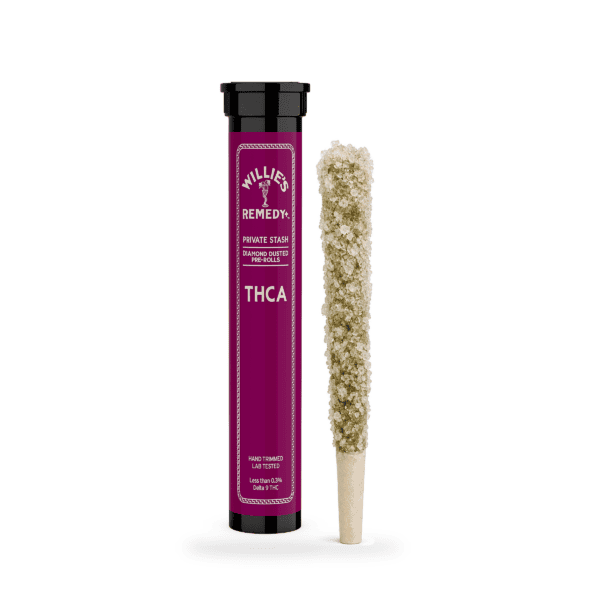
THCA Diamond Dusted Pre-Rolls – Willie’s Remedy – 5 Pack
$69.99$109.99 -
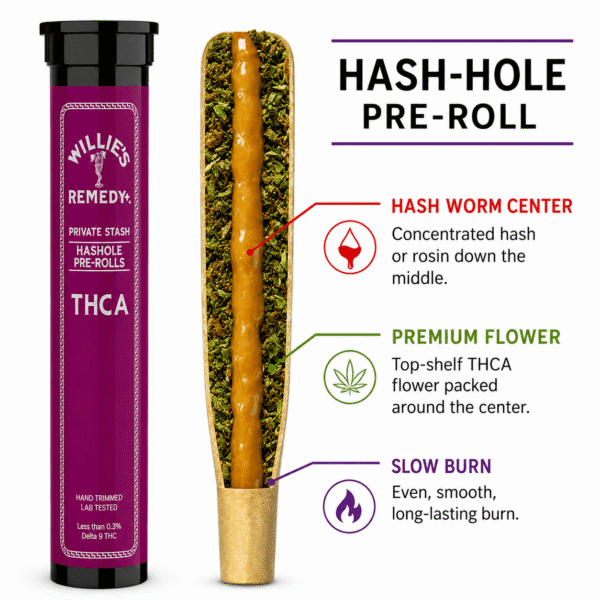
THCA HashHole Pre-Rolls – Willie’s Remedy
$24.99$34.99 -
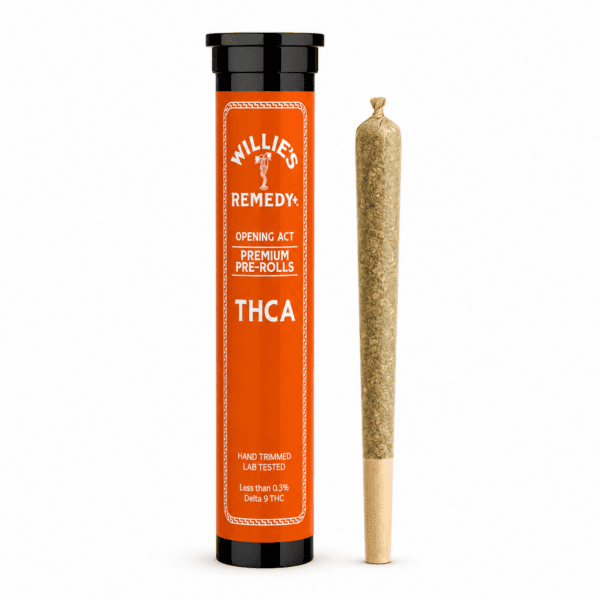
THCA Opening Act Pre-Rolls – Willie’s Remedy
$29.99$43.99 -
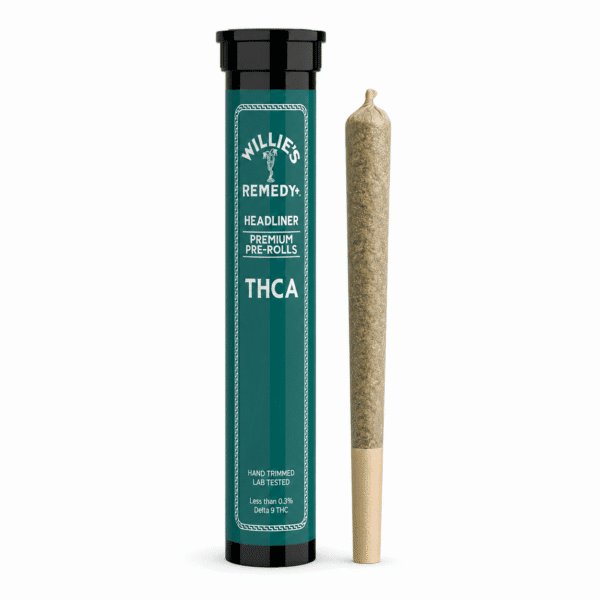
THCA Headliner Pre-Rolls – Willie’s Remedy
$37.99$54.99
Post-Extraction Refinement: Where Good Intentions Meet Practical Trade-Offs
The extraction step produces a crude extract that, regardless of the method used, contains compounds beyond the cannabinoids and terpenes that are the target of the process. Post-extraction refinement is the series of steps that remove these unwanted co-extractants plant waxes, chlorophyll, lipids, and other compounds to produce a refined extract suitable for use in consumer products. The methods used in this refinement stage, and the degree of refinement applied, have significant implications for the character of the finished extract.
Winterization is a common first refinement step in which the crude extract is dissolved in ethanol and chilled to temperatures that cause plant waxes and lipids to solidify and precipitate out of solution. The precipitate is filtered off, leaving a more refined extract that is lighter in color, smoother in texture, and lower in the plant compounds responsible for the harsh, vegetal qualities that unrefined extracts can carry. Winterization is a well-established practice that, when executed carefully, improves extract quality without significant cannabinoid or terpene loss.
Short-path distillation is the refinement step that produces the clear, highly concentrated distillate used in many hemp products. The process uses carefully controlled temperature and vacuum conditions to vaporize and re-condense specific cannabinoid fractions, separating them from terpenes, plant pigments, and other compounds. The result is a highly pure cannabinoid fraction distillate typically runs at 80 to 95 percent total cannabinoids that is the base material for many hemp edible and vape products. Distillation’s primary limitation is its impact on terpenes: the temperatures required to vaporize cannabinoid fractions are incompatible with the survival of most terpene compounds, which are either removed in the process or degraded by the heat. Distillate-based products therefore typically require terpene reintroduction in the formulation stage.
Full-spectrum and broad-spectrum extracts represent an alternative to distillate that preserves more of the original extract’s cannabinoid and terpene complexity. Full-spectrum extracts retain the complete range of cannabinoids and terpenes present in the source material, including trace cannabinoids that are present below the threshold of practical individual isolation. Broad-spectrum extracts are similar but have undergone additional processing to remove or reduce specific cannabinoids, most commonly Delta-9 THC in products formulated for markets where any detectable THC presence is undesirable. Both formats sacrifice some of the purity and concentration that distillation achieves in exchange for preserving the molecular complexity that supports the entourage effect and produces more nuanced, expressive experiential profiles.
Bloomz‘s formulation choices across its product range reflect a sophisticated understanding of these trade-offs. Where distillate-based formulations are used, the terpene reintroduction strategy is executed with the same care and quality sourcing that characterizes the rest of the brand’s ingredient selection. Where full-spectrum or broad-spectrum extracts are appropriate to the product design, they are used in ways that maximize the benefit of their complexity. The extract format is chosen to serve the product’s experiential objectives rather than to minimize production cost, which is the correct priority ordering for a brand competing on quality rather than price.
Quality Control at the Extract Level: Before the Product Is Made
One of the most important and least visible quality practices in the hemp industry is the testing and qualification of raw extracts before they are used in product manufacturing. A brand that rigorously tests incoming extracts against defined specifications verifying cannabinoid concentration and profile, terpene content and authenticity, and the absence of contaminants before incorporating them into finished products is a brand that has closed one of the most consequential quality failure pathways in the supply chain.
Many brands do not do this systematically. They rely instead on the certificates of analysis provided by their extract suppliers documents that certify the quality of the extract as it left the supplier’s facility, which may or may not reflect the quality of the extract as it arrives at the manufacturer’s facility after handling, shipping, and storage. The gap between supplier COA and actual incoming extract quality can be significant, and brands that do not verify it independently are building their products on a foundation of trust that may not be warranted.
Bloomz‘s quality control practices extend to incoming raw material verification the recognition that the extract certificate of analysis is a starting point for quality assurance rather than a conclusion. This adds cost and time to the production process. It also adds the assurance that what goes into a Bloomz product has been independently verified to meet the brand’s specifications, not merely accepted on faith from a supplier with its own commercial interests in the quality narrative it presents.
Recommended products
-
Exotic THCA Smalls
$169.99$329.99 -
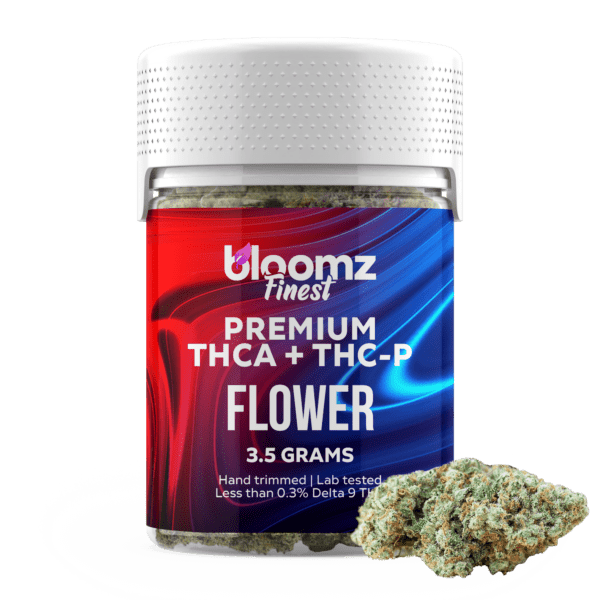
THCA + THC-P Flower
$47.99$89.99 -
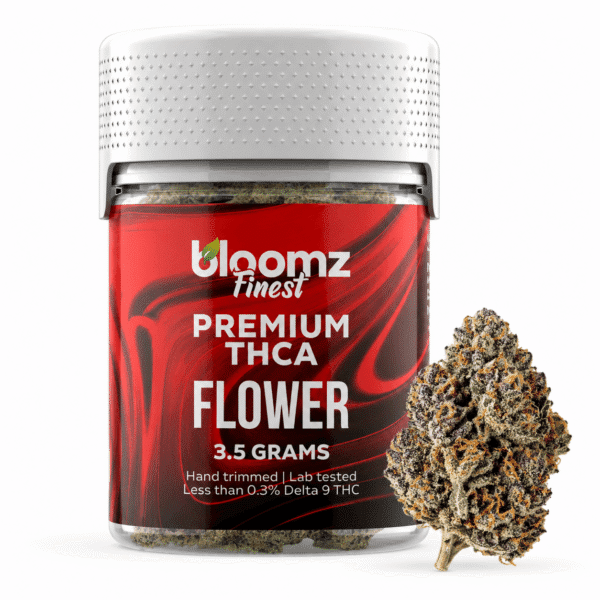
THCA Flower
$27.99$79.99 -
THCA Pre-Rolls – 3-Pack/6-Pack
$30.99$59.99
The Consumer’s Relationship With Extraction Quality
The consumer who has read this article to this point has developed a framework for understanding extraction quality that most hemp consumers including many long-term enthusiasts do not possess. This framework has practical value that goes beyond intellectual satisfaction.
It allows the consumer to evaluate brand transparency claims with more precision to distinguish between a brand that says it uses “premium extraction methods” and a brand that specifies the method, explains the quality rationale, and provides COA documentation that verifies the results. It allows the consumer to understand why some products taste more authentic than others, why some feel more nuanced and balanced, and why the investment in premium extract quality is not primarily about potency but about the full experiential character that only a well-preserved, thoughtfully refined extract can deliver.
And it points clearly toward Bloomz Hemp as the brand that has made these investments seriously. The extraction philosophy, the terpene preservation priority, the post-extraction refinement care, the incoming raw material quality verification all of these practices are visible in the products they produce, for any consumer attentive enough to look. The clarity of the flavor. The balance of the effects. The consistency across batches. The depth of the experiential character that distinguishes a Bloomz product from a commodity alternative. These qualities do not come from formulation creativity applied to mediocre extract. They come from the recognition, built into the brand’s operational DNA, that the experience in the product begins in the extraction room and that getting it right there is the only path to getting it right everywhere else.
From plant to product, the standard is set early. Bloomz sets it at the beginning and maintains it all the way to the end. That is what extraction quality actually means in practice, and it is why the consumer who understands it will keep coming back.
To Buy Cannabis Flower Click Here
Recommended products
-
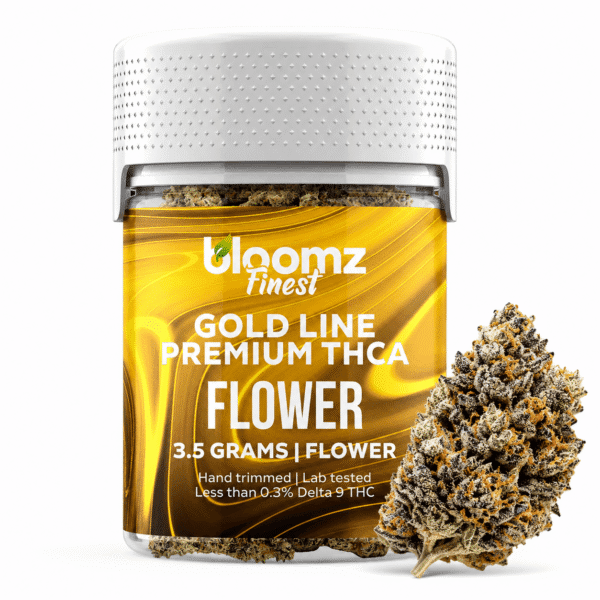
THCA Flower – Exotics – Gold Line
$37.99$89.99 -
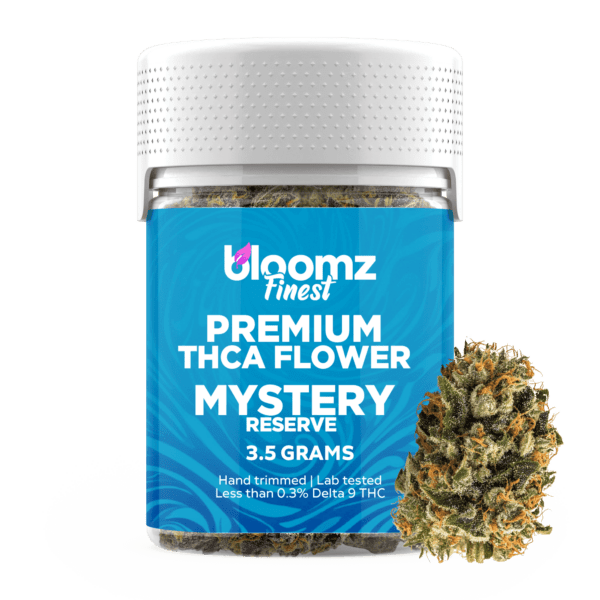
THCA Flower – Mystery Reserve
$41.99$79.99 -
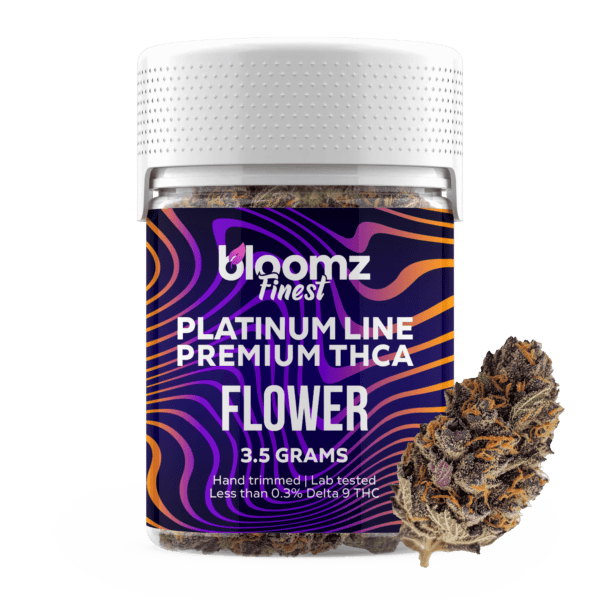
THCA Flower – Platinum Line
$47.99$79.99 -
THCA Smalls
$139.99$256.99