
If you’ve ever tried rolling a joint, you know it’s not always easy. Papers tear, flower spills everywhere, and sometimes it feels like your fingers are doing more work than the rolling itself. That’s where joint rollers come in. But what exactly are they, how do they work, and why have they become such an essential tool in cannabis culture?
Whether you’re new to cannabis or a seasoned smoker, joint rollers can make the difference between a messy, uneven joint and a perfectly rolled smoke every time. In this guide, we’ll cover everything you need to know about joint rollers—from types and materials to tips, maintenance, and even the ritual side of rolling.
To Buy Cannabis Flower Click Here
Recommended products
-
Delta 8 THC Flower
$24.99$39.99 -
THC-P Flower
$29.99$43.99 -
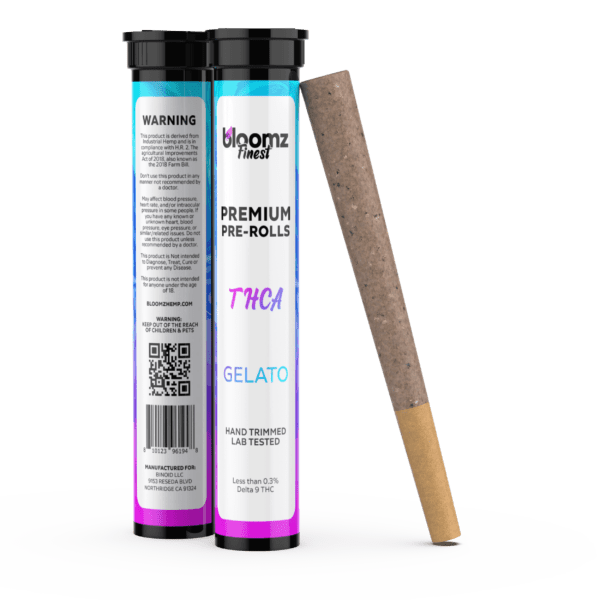
Exotic THCA Pre-Rolls Gold Line – 3-Pack/6 Pack
$36.99$69.99

What Is a Joint Roller?
A joint roller is a device designed to help you roll cannabis joints more easily and evenly. Essentially, it’s a tool that guides the rolling paper around the flower to create a neat, cylindrical joint. Think of it as a helper for your hands—it does the heavy lifting so you don’t have to struggle with papers tearing or uneven packing.
Some joint rollers are handheld, compact devices, while others are mechanical rollers with two cylinders that rotate together. There are even electric rollers that automate the process entirely. But the goal is the same: make rolling faster, cleaner, and more consistent.
Why Use a Joint Roller?
Rolling by hand can be a real challenge. Even if you’ve been smoking for years, there are days when a joint just won’t cooperate. Joint rollers solve this problem by:
-
Saving time – You can roll multiple joints in minutes without struggling.
-
Ensuring consistency – Every joint comes out uniform in size, shape, and tightness.
-
Reducing waste – Less flower spills during the rolling process.
-
Helping beginners – Take the stress out of learning how to roll.
For regular smokers, a joint roller isn’t just a tool—it’s a practical investment that makes sessions smoother and more enjoyable.
A Brief History of Joint Rollers
Before joint rollers existed, cannabis users rolled joints on whatever was available: books, plates, sleeves, or even their laps. It worked, but it was messy and inconsistent.
The first dedicated joint rollers appeared in the late 20th century as cannabis culture began to grow. Early models were simple plastic or metal devices that could roll a paper and flower evenly. As cannabis became more mainstream, manufacturers began experimenting with durable materials, ergonomic designs, and even branded artwork.
Today, joint rollers are ubiquitous in the cannabis community. They’ve evolved from a simple convenience tool into an essential part of the rolling ritual for both beginners and experienced users.
Types of Joint Rollers
Joint rollers come in several styles, each with its own benefits:
1. Handheld Rollers
These are small, portable, and user-friendly. You fill the device with flower, insert your rolling paper, and roll. Handheld rollers are ideal for personal use, travel, or casual sessions.
2. Mechanical Roller Machines
Mechanical rollers often consist of two cylinders that rotate together. You place the flower and paper inside, twist, and the joint comes out evenly rolled. These are great for beginners or anyone rolling multiple joints at once.
3. Electric or Automated Rollers
The newest generation of joint rollers are electric. You load the flower, insert the paper, and the machine does the rest. They’re more expensive but can save a lot of time, especially for heavy users or small businesses producing pre-rolls.
Recommended products
-
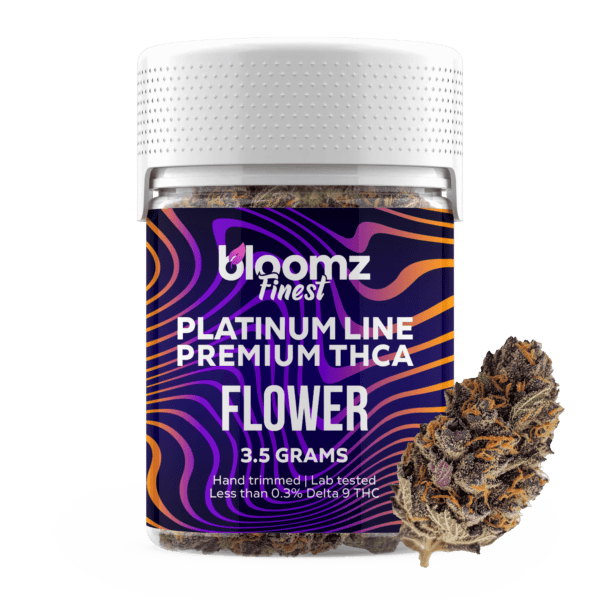
THCA Flower – Platinum Line
$47.99$79.99 -
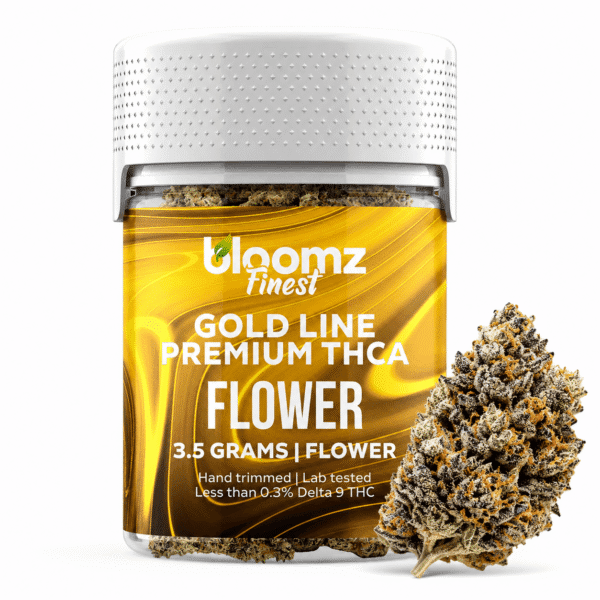
THCA Flower – Exotics – Gold Line
$37.99$89.99 -
THCA Flower – Mystery Reserve
$41.99$79.99 -
THCA Smalls
$139.99$256.99


How Do Joint Rollers Work?
While designs vary, most joint rollers operate on the same basic principle: shape the paper and flower together.
Here’s a step-by-step explanation:
-
Load the flower into the roller.
-
Insert the rolling paper, adhesive side up.
-
Close or rotate the roller, allowing it to guide the paper around the flower.
-
Seal the adhesive strip.
-
Voilà! You have a neatly rolled joint ready to smoke.
The roller helps compress the flower evenly, which is key for a smooth, consistent burn. It also minimizes the mess and reduces the chance of tearing your paper.
Why Joint Rollers Are Perfect for Beginners
Rolling by hand can be intimidating for new users. Papers tear, flower spills, and it’s easy to pack too tightly or too loosely. Joint rollers simplify this process.
Beginners benefit because:
-
They remove much of the guesswork.
-
They reduce frustration, making the experience more enjoyable.
-
They allow beginners to focus on flavor, strain selection, or ritual instead of technique.
Once beginners see a perfectly rolled joint come out of a roller, it boosts confidence and encourages further experimentation with papers, filters, and different strains.
Rolling as a Ritual
Some people worry that joint rollers take away the ritual of rolling. In reality, a roller enhances the ritual rather than replacing it.
You still grind the flower, choose your papers, add filters, and select your strain. The roller just ensures that your efforts result in a perfect joint. Many users actually find it allows them to focus more on the ritual, enjoying the process without worrying about mistakes.
Different Sizes and Capacities
Not all joint rollers are the same size, and the choice of size can affect your rolling experience:
-
Small rollers: Portable, ideal for solo sessions or travel.
-
Medium rollers: Perfect for personal daily use, offering a balance of space and convenience.
-
Large rollers: Great for group sessions, multiple tools, or rolling several joints at once.
Your ideal size depends on how you roll, how often you roll, and whether you usually smoke alone or share with friends.
Materials Matter
Joint rollers are made from various materials, each offering unique benefits:
-
Plastic: Lightweight, affordable, and portable. Perfect for beginners.
-
Metal: Durable, long-lasting, and smooth for rolling. Great for daily use.
-
Wood/Bamboo: Eco-friendly, handcrafted, and visually appealing.
-
Electric rollers: A mix of metal and plastic designed for durability and smooth operation.
Choosing the right material often comes down to personal preference and frequency of use.
Cleaning and Maintenance
A roller is only as good as it is clean. Over time, resin and kief can build up and affect performance.
Tips for maintaining your roller:
-
Wipe it down regularly with a dry cloth.
-
Use a small brush or cotton swab for crevices.
-
Avoid soaking wooden rollers.
-
For electric rollers, follow manufacturer instructions.
Keeping it clean ensures consistent rolling and a longer lifespan.
Beyond Rolling: Other Uses
Joint rollers aren’t just for rolling joints—they can become mini cannabis workstations:
-
Grinding flower without losing kief
-
Organizing papers, tips, and tools
-
Staging pre-rolls before a session
-
Combining multiple strains evenly
For heavy users or those who entertain friends, a roller can save time and make sessions more organized and enjoyable.
Advanced Tips for Experienced Users
Even seasoned rollers can benefit from joint rollers. Some advanced techniques include:
-
Rolling multiple joints at once for parties or group sessions
-
Experimenting with different papers, filters, or flavored options
-
Blending strains evenly for unique effects
-
Packing joints precisely to ensure even burns
A quality roller can turn rolling from a simple task into a fine-tuned, efficient process.
Recommended products
-
THCA Snowballs – Gold Line
$57.99$89.99 -
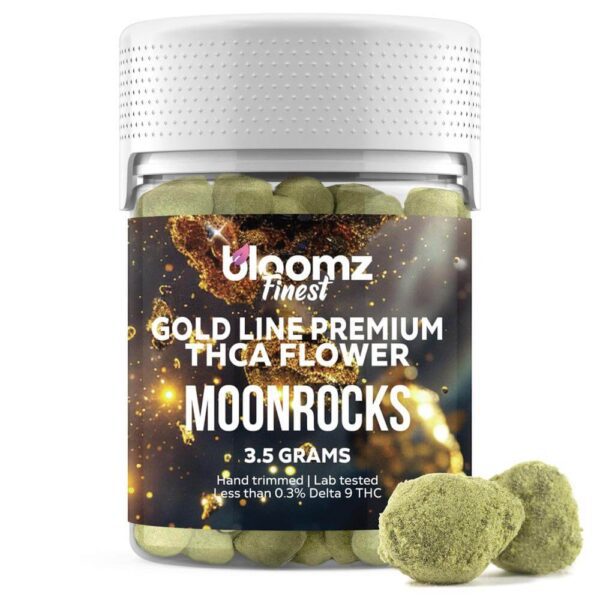
THCA Moonrocks – Gold Line
$57.99$89.99 -
Blazed Exotic THCA Flower
$36.99$79.99 -
Blazed Strongest Exotic THCA Snow Caps
$58.99$93.99



Common Misconceptions
Some think using a roller makes your joints “less authentic.” Not true. Rollers provide consistency, which is especially valuable for multiple joints or special events.
Another misconception is that rollers are expensive. In reality, affordable options exist for beginners, and high-end rollers often justify their price with durability and smooth operation.
Brand Spotlight: Binoid Joint Rollers
Brands like Binoid are leading the way in designing high-quality joint rollers that cater to both beginners and experienced users. Features include:
-
Smooth operation for even, consistent rolling
-
Durable materials for long-lasting use
-
Easy-to-clean designs
-
Portable, compact options for home or travel
Pairing a Binoid roller with premium flower makes sessions more efficient, cleaner, and enjoyable.
Do You Really Need a Joint Roller?
If you roll occasionally, you might manage fine by hand. But if you roll frequently, a joint roller can:
-
Save time
-
Reduce wasted flower
-
Improve consistency
-
Make rolling easier and less stressful
For beginners, it’s often the quickest way to produce professional-looking joints. For advanced users, it’s about efficiency, precision, and ritual.
Tips for Getting the Most Out of Your Roller
-
Don’t overfill: Too much flower makes rolling harder.
-
Grind evenly: Even consistency prevents clogged rollers.
-
Choose quality papers: Thin papers work best with rollers.
-
Seal properly: Ensure the adhesive strip is aligned for a tight joint.
-
Practice makes perfect: Even with a roller, it takes a few tries to get your preferred tightness.
Final Thoughts
Joint rollers are more than just a convenience—they’re a practical, time-saving tool that enhances your cannabis experience. They reduce frustration, ensure consistency, and even make rolling a fun, ritualistic part of your session.
Whether you’re a beginner wanting to learn the ropes or a seasoned smoker looking for efficiency, a high-quality joint roller, like those from Binoid, is a small investment with a big impact. Once you start using one, you’ll likely wonder how you ever rolled without it.
To Buy Cannabis Flower Click Here
Recommended products
-
Exotic THCA Smalls
$169.99$329.99 -
THCA + THC-P Flower
$47.99$89.99 -
THCA Flower
$27.99$79.99 -
THCA Pre-Rolls – 3-Pack/6-Pack
$30.99$59.99