If you’ve ever heard someone in the cannabis world say, “That’s a pound,” you probably already know it’s a lot. A pound is one of the biggest common cannabis measurements, and it’s usually mentioned in the context of bulk buying, wholesale pricing, large-scale growers, or dispensary supply—not casual personal use. Still, it’s a term that comes up often enough that it’s worth understanding, especially if you want to fully “speak cannabis” and understand how the industry works behind the scenes.
Even if you never plan to buy a pound of cannabis flower (and in most legal states you can’t, at least not as a normal consumer), knowing what a pound means gives you a better sense of cannabis weights, pricing, and how everything scales up. Once you understand how many ounces are in a pound, how many grams it is, and what it looks like physically, you’ll instantly understand a huge part of cannabis terminology.
To Buy Cannabis Flower Click Here
Recommended products
-
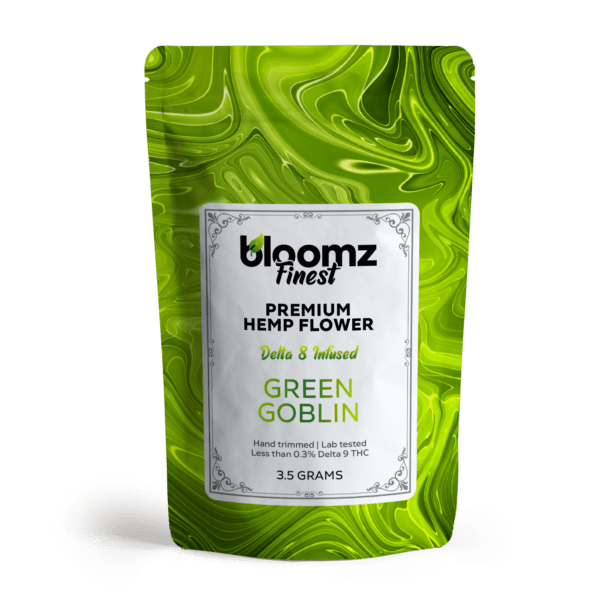
Delta 8 THC Flower
$24.99$39.99 -
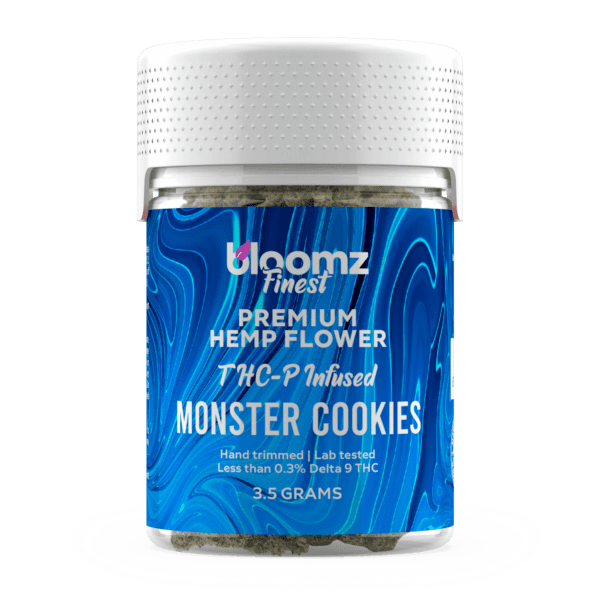
THC-P Flower
$29.99$43.99 -
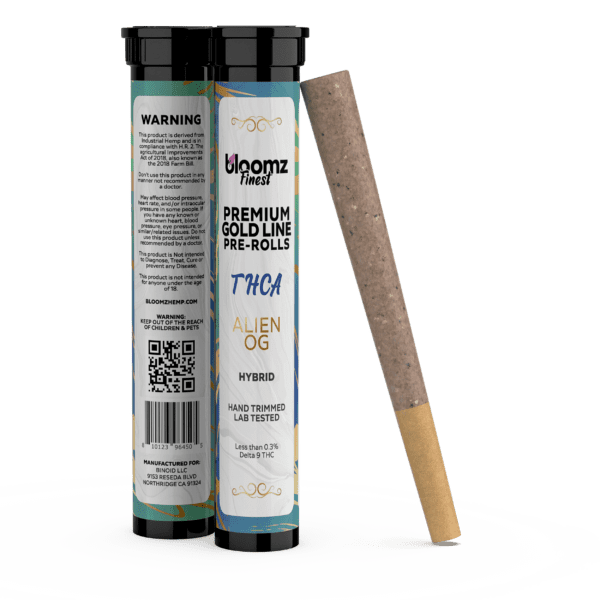
Exotic THCA Pre-Rolls Gold Line – 3-Pack/6 Pack
$36.99$69.99
What Does “Pound” Mean in Cannabis?
In cannabis, a pound refers to one pound of cannabis flower, typically dried buds. A pound is a standard unit of weight in the U.S. customary system. The exact conversion is simple:
1 pound = 16 ounces
And since 1 ounce = 28 grams, that means:
1 pound = 448 grams (because 16 × 28 = 448)
Technically, in scientific terms, a pound is about 453.6 grams. But in cannabis, the industry almost always uses the 28-gram ounce standard, so a pound is treated as 16 ounces / 448 grams for pricing and transactions.
This is important because cannabis weights are usually discussed in ounces and grams at the consumer level, but once you move into larger quantities, pounds become the main measurement.
Why Pounds Matter in Cannabis Culture
The pound has a strong presence in cannabis culture because for decades it was the main bulk unit used in distribution. Even before legalization, cannabis supply was often priced and moved in pounds. That tradition stuck around, even as legal markets expanded.
Today, pounds are still the standard unit for growers, processors, distributors, and dispensaries. Most dispensaries don’t buy cannabis by the ounce—they buy it in pounds (or multiple pounds), then break it down into smaller retail amounts like eighths, quarters, and ounces.
So while most consumers shop in grams and ounces, the pound is the measurement that helps you understand how cannabis is priced and scaled in the bigger market.
How Much Cannabis Is in a Pound?
A pound is 16 ounces, which is a huge amount of flower. Visually, what a pound looks like depends on how dense the buds are and how they’re stored. Dense buds can make a pound look smaller in volume. Fluffy buds can make it look enormous.
In most real-world cases, a pound of cannabis flower is enough to fill a large bag or several large glass jars. It’s not something you casually toss in a drawer. A pound is a storage situation. It’s the kind of quantity that, in a legal market, would typically be handled in professional packaging and stored in climate-controlled conditions.
To put it simply, an ounce is a stash. A pound is inventory.
How Many Grams Are in a Pound?
This is one of the most useful conversions to know:
1 pound = 448 grams (in cannabis terms)
That means if you know the price per pound, you can calculate the rough price per gram. This is how dispensaries and bulk buyers estimate margins.
For example, if a pound costs $1,000 wholesale, that’s about $2.23 per gram wholesale. If that same flower is sold at retail for $10 per gram, you can see why retail pricing looks so different from bulk pricing.
Of course, retail costs include packaging, taxes, compliance, lab testing, employee wages, rent, and other overhead. But understanding grams-per-pound helps you understand the math behind the cannabis business.
How Many Ounces Are in a Pound?
This is the easiest conversion and one of the most common:
1 pound = 16 ounces
So if someone says they have “two pounds,” they mean 32 ounces. If they say “half a pound,” they mean 8 ounces.
This is also where you’ll hear other cannabis slang and terms pop up, because people often describe bulk amounts in fractions of a pound.
Cannabis Pound Slang: What Is a “Pack”?
In cannabis slang, a pound is sometimes called a pack. You might hear someone say “a pack” in reference to a pound, especially in older cannabis culture.
This term is more common in informal markets, but it still appears in cannabis conversations. In legal dispensary settings, you’ll usually hear “pound” or “lb” rather than “pack.”
What Is a “QP” in Cannabis?
When talking about pounds, you’ll often hear the term QP, which stands for “quarter pound.” This is one of the most common bulk weights used in the cannabis world.
A quarter pound equals:
¼ pound = 4 ounces = 112 grams
So if someone says “I got a QP,” they mean four ounces. This is an important step between consumer-level buying (ounces) and full wholesale (pounds).
Other common bulk fractions include:
-
Half pound = 8 ounces = 224 grams
-
Quarter pound (QP) = 4 ounces = 112 grams
-
Pound = 16 ounces = 448 grams
These terms are especially common when discussing cannabis business, supply chains, or cultivation yields.
Recommended products
-
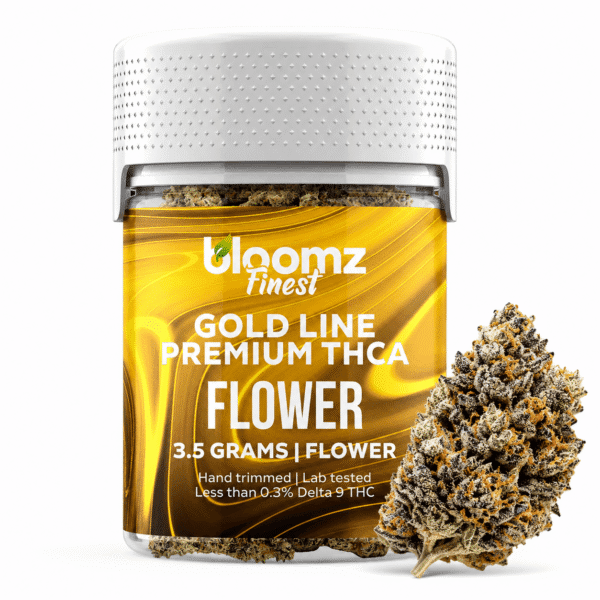
THCA Flower – Exotics – Gold Line
$37.99$89.99 -
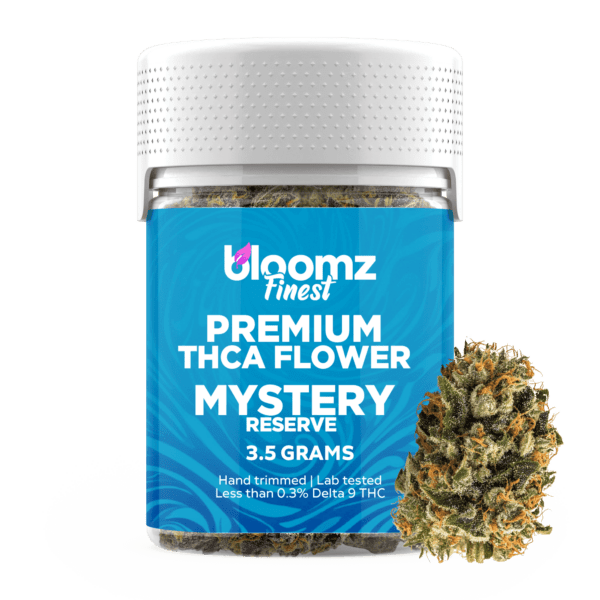
THCA Flower – Mystery Reserve
$41.99$79.99 -
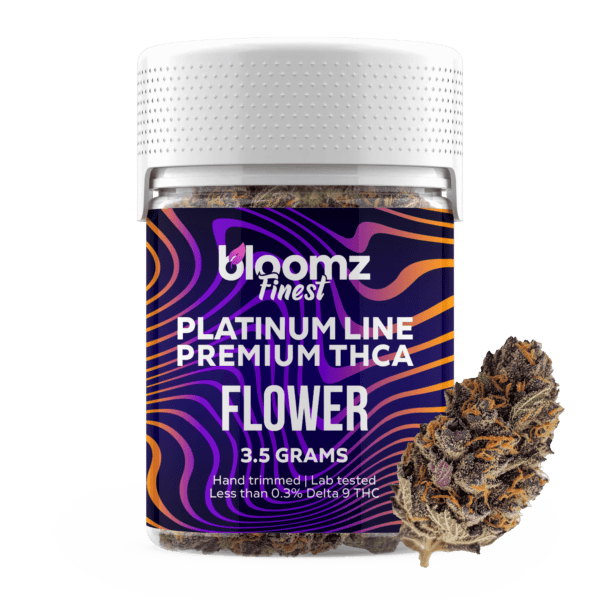
THCA Flower – Platinum Line
$47.99$79.99 -
THCA Smalls
$139.99$256.99
How Many Eighths Are in a Pound?
This is where it starts getting fun (and kind of mind-blowing). Since:
-
1 eighth = 3.5 grams
-
1 pound = 448 grams
You can calculate:
448 ÷ 3.5 = 128 eighths
So a pound contains 128 eighths.
That means if a dispensary sells eighths for $30 each, the gross retail value of a pound could be:
128 × $30 = $3,840
That doesn’t mean the dispensary profits that much, but it shows why pounds are such a huge part of cannabis economics.
How Many Quarters Are in a Pound?
Since:
-
1 quarter = 7 grams
-
1 pound = 448 grams
Then:
448 ÷ 7 = 64 quarters
So there are 64 quarters in a pound.
This conversion is useful for understanding how dispensaries break down flower into different retail weights.
How Many Half-Ounces Are in a Pound?
Since:
-
1 half-ounce = 14 grams
-
1 pound = 448 grams
Then:
448 ÷ 14 = 32 half-ounces
So a pound equals 32 half-ounces.
How Many Joints Are in a Pound?
This is one of those questions that’s fun to answer because the number is huge. The exact amount depends on how much flower you put into each joint, but here are realistic estimates:
-
If joints are 0.5g each: 448 ÷ 0.5 = 896 joints
-
If joints are 0.75g each: 448 ÷ 0.75 = 597 joints
-
If joints are 1g each: 448 ÷ 1 = 448 joints
So yes—one pound can roll hundreds of joints.
That’s one of the reasons pounds are not considered normal consumer amounts. It’s not a personal stash unless someone is running a major group smoke rotation for months.
How Long Would a Pound Last?
For most consumers, a pound would last an extremely long time. Even heavy daily smokers would likely take months to go through it. For casual users, it could last a year or longer.
Here’s a rough breakdown:
-
Casual user (weekends only): a pound could last 12+ months
-
Moderate user (daily but light): 6–10 months
-
Heavy user (multiple sessions per day): 2–5 months
But the bigger issue is freshness. Cannabis flower doesn’t stay at peak quality forever. Over time, terpenes fade, the aroma becomes weaker, and the buds dry out. THC also slowly degrades, and some of it converts into CBN, which can make the effects feel more sleepy and less bright.
That means even if you could legally own a pound, you’d need excellent storage to keep it fresh.
How Much Does a Pound of Cannabis Cost?
This is where things get interesting, because pound prices vary wildly. In legal markets, wholesale prices depend on supply and demand, strain quality, cultivation method, and state regulations. In some states, wholesale pounds can be as low as a few hundred dollars. In others, premium pounds can be several thousand.
In general, you might see ranges like:
-
Low-tier / outdoor / older harvest: $300–$800 per pound
-
Mid-tier indoor: $800–$1,800 per pound
-
Premium indoor / top genetics: $2,000–$3,500+ per pound
Those numbers are not universal, and they change constantly. The cannabis market is extremely price-sensitive and varies state by state.
At the retail level, if you tried to buy the equivalent of a pound by purchasing ounces, it would cost much more because you’re paying retail pricing, packaging, and taxes.
Why Dispensaries and Growers Talk in Pounds
Dispensaries and growers talk in pounds because it’s the standard unit for bulk inventory. A cultivation facility might harvest dozens or hundreds of pounds over time. A dispensary might buy multiple pounds per week, depending on customer volume.
Even small brands that package pre-rolls or jars of flower usually buy in pounds before breaking it down into retail products.
So when you see a dispensary selling an eighth for $35, remember: somewhere behind the scenes, that flower came from a bulk purchase measured in pounds.
Is It Legal to Buy a Pound of Cannabis?
For most consumers, no. In most U.S. legal states, the recreational possession limit is around one ounce (sometimes more, sometimes less). Medical patients may have higher limits depending on state rules, but a full pound is still far beyond typical personal possession allowances.
Even in states with more generous laws, a pound is usually considered far above what’s allowed for personal use. In legal markets, pounds are typically handled by licensed businesses: cultivators, processors, distributors, and dispensaries.
Because laws vary widely, it’s important not to assume. But in general, a pound is a business quantity, not a consumer quantity.
Pound vs Ounce: Why the Difference Matters
Understanding the difference between a pound and an ounce is essential because it shows how cannabis scales.
An ounce is the largest common consumer purchase size. It’s 28 grams. It’s manageable, it’s easy to store, and it’s within legal possession limits in many places.
A pound is 16 ounces. It’s 448 grams. It’s the kind of quantity used for commercial inventory. The difference between them isn’t just size—it’s context. An ounce is personal. A pound is supply.
That’s why cannabis terms like “zip” (ounce) are used casually, while “pound” tends to be used in a more serious or business-like way.
Recommended products
-
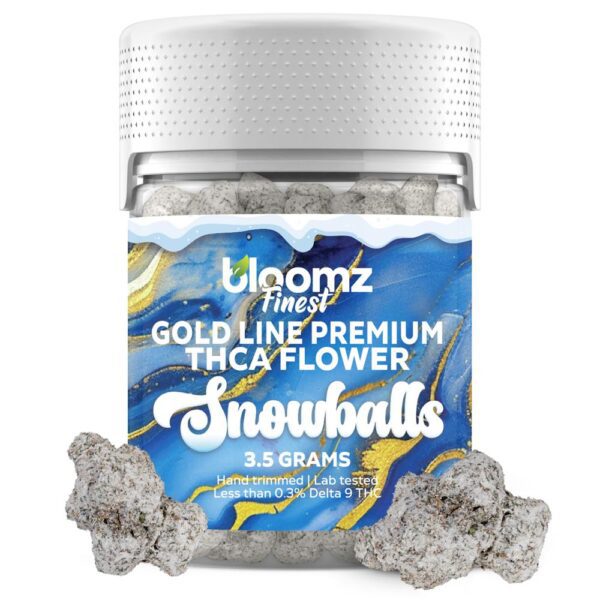
THCA Snowballs – Gold Line
$57.99$89.99 -
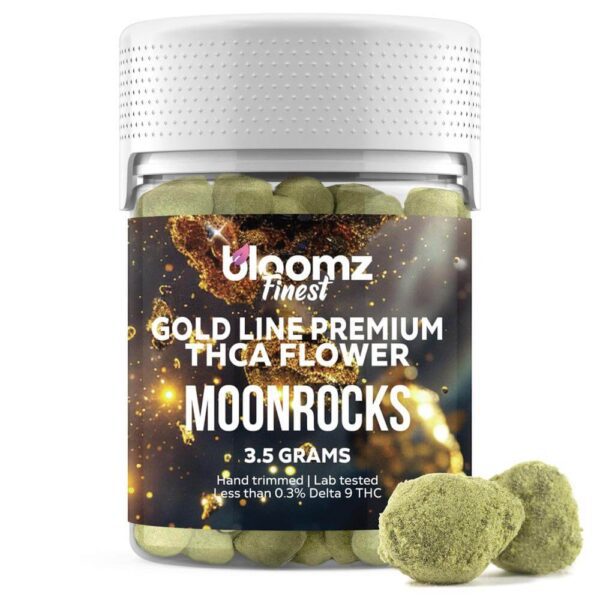
THCA Moonrocks – Gold Line
$57.99$89.99 -
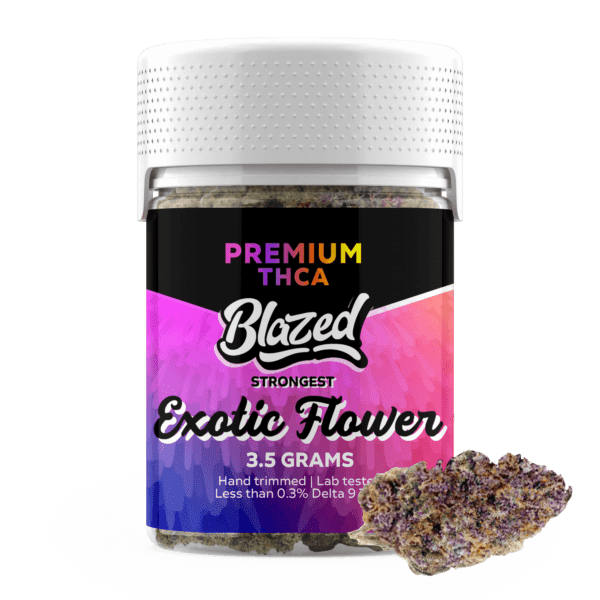
Blazed Exotic THCA Flower
$36.99$79.99 -
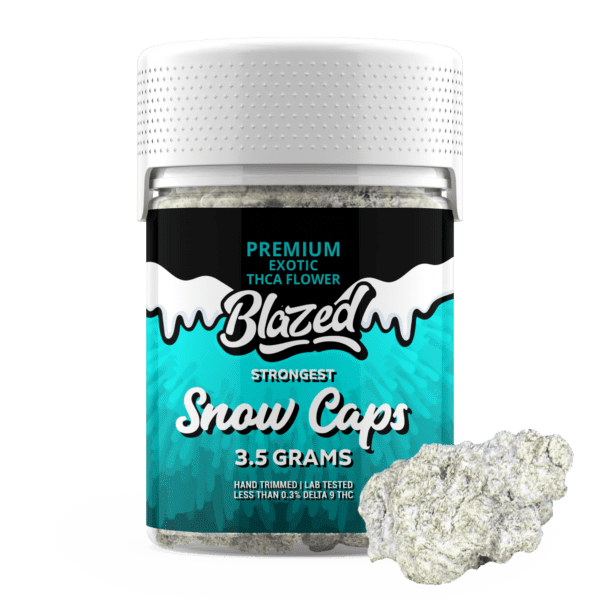
Blazed Strongest Exotic THCA Snow Caps
$58.99$93.99
How Pounds Connect to Cannabis Cultivation
If you’ve ever heard growers talk about yields, pounds are usually the unit they use. A grower might say a plant yielded “a few ounces,” but a full grow room might yield “multiple pounds.”
Yield depends on factors like:
-
Genetics and strain type
-
Indoor vs outdoor growing
-
Lighting strength
-
Nutrients and soil quality
-
Grower skill
-
Plant training techniques
-
Harvest timing and curing
When people talk about a grow being successful, they often measure it in pounds because that’s how cannabis production is tracked and sold.
How to Store Cannabis in Bulk (Why It’s a Big Deal)
If someone has a pound of flower, storage becomes a major issue. Cannabis needs to be kept away from heat, light, and air exposure. Otherwise, it dries out, loses terpenes, and becomes harsh.
Bulk flower is typically stored in large airtight containers, often with humidity control. Dispensaries and brands use professional storage methods because they need to maintain quality across large amounts.
This is another reason pounds aren’t normal consumer purchases. Even if you could buy one, keeping it fresh would be a challenge unless you have the right setup.
Responsible Use and Why Pounds Aren’t a Casual Purchase
It’s worth saying clearly: a pound is not a normal personal-use amount. In legal markets, it’s typically something licensed businesses handle, not individuals.
For consumers, the best approach is buying amounts that match your lifestyle and consumption habits. If you’re a casual user, an eighth or quarter might be perfect. If you’re a daily user, a half-ounce or ounce can be more cost-effective.
Buying more than you can realistically consume while it’s fresh often leads to wasted product and a worse experience over time.
Final Thoughts: What a Pound Means in Cannabis
A pound is one of the biggest cannabis measurements you’ll hear in everyday conversation, and it’s a major part of how the cannabis industry works. It equals 16 ounces, or 448 grams in standard cannabis math. It’s the unit growers and dispensaries use when talking about supply, inventory, and bulk pricing.
Even if you never plan to buy cannabis in that quantity, understanding the pound helps you understand the bigger picture. It explains why retail pricing works the way it does, how dispensaries break down flower into smaller weights, and why certain terms like QP and half-pound come up so often.
Cannabis terminology can feel like a lot at first, but once you learn the key weights—gram, eighth, quarter, half-ounce, ounce, and pound—you’ll feel like you understand the entire system. And that confidence makes shopping, comparing deals, and navigating cannabis culture way easier.
To Buy Cannabis Flower Click Here
Recommended products
-
Exotic THCA Smalls
$169.99$329.99 -
THCA + THC-P Flower
$47.99$89.99 -
THCA Flower
$27.99$79.99 -
THCA Pre-Rolls – 3-Pack/6-Pack
$30.99$59.99