Cannabis slang is full of terms that describe not just the plant itself, but the quality, handling, and honesty behind it. One of the most widely used phrases in legacy cannabis culture is “stepped on.” While it might sound strange at first, the meaning is actually very straightforward: “stepped on” refers to cannabis that has been diluted, cut, tampered with, or lowered in quality before it reaches the consumer. In simple terms, it describes weed that has been “made worse” in some way—either intentionally or through poor handling.
At its core, when someone says cannabis is “stepped on,” they are saying it is no longer pure or high-quality as originally intended. This can apply to flower, concentrates, or even edibles in certain contexts, but it most commonly refers to flower or powdered products that have been altered. The idea behind the term is that the product has been “walked on” or degraded by outside interference, reducing its potency, flavor, or overall value.
To Buy Cannabis Flower Click Here
Recommended products
-
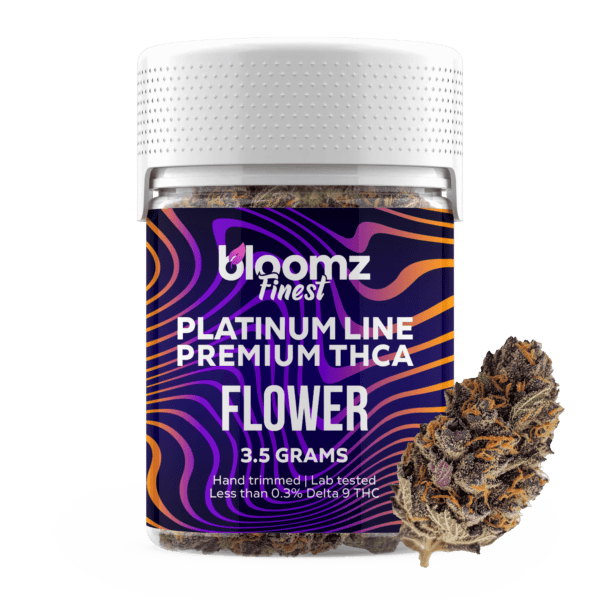
THCA Flower – Platinum Line
$47.99$79.99 -
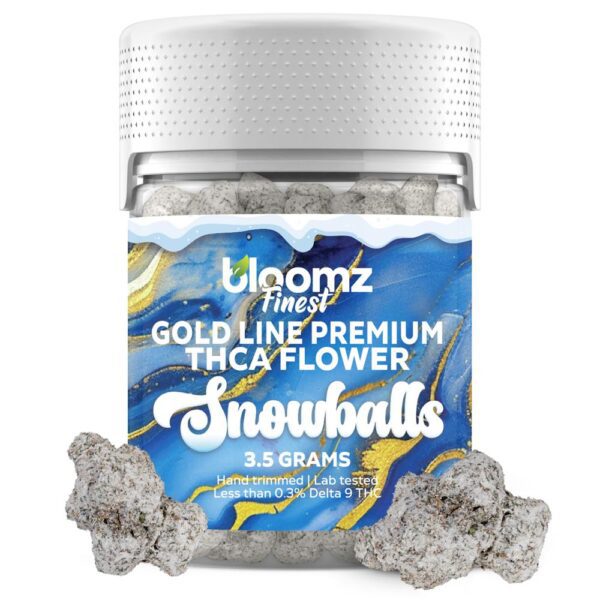
THCA Snowballs – Gold Line
$57.99$89.99 -
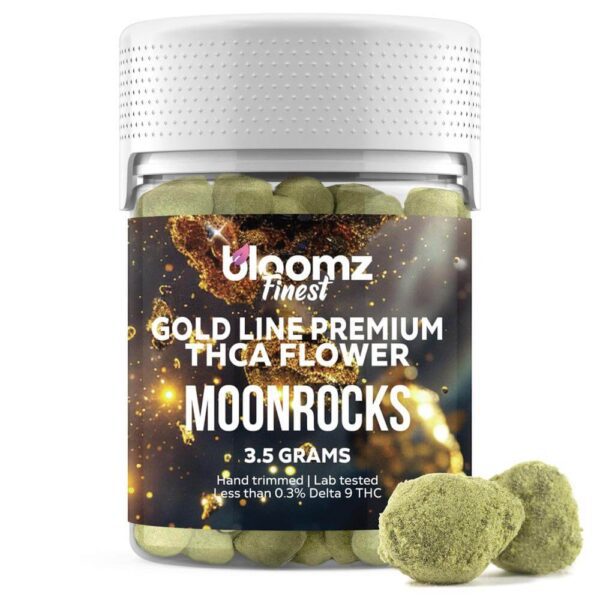
THCA Moonrocks – Gold Line
$57.99$89.99 -
Exotic THCA Smalls
$169.99$329.99

The origins of the phrase come from street-level cannabis distribution, where product purity was not always guaranteed. In unregulated markets, cannabis often passes through multiple hands before reaching the end user. At any point in that chain, the product might be altered—whether by mixing in other plant material, spraying it with additives, or simply mixing higher-quality cannabis with lower-quality material to stretch supply. When this happens, users describe the product as being “stepped on,” meaning it has been compromised.
One of the most common ways cannabis becomes “stepped on” is through dilution. For example, high-quality flower might be mixed with lower-grade buds to increase volume. While the product still looks like cannabis, the overall potency per gram is reduced. In more extreme cases, plant material that is not cannabis at all could be mixed in, although this is less common. The goal in these situations is usually profit—stretching supply to make more money from less product.
Another example of “stepping on” cannabis involves concentrates or powdered substances. In some legacy markets, powders or extracts might be cut with other substances to increase weight or alter appearance. This not only reduces quality but can also raise safety concerns, as consumers may not know exactly what they are inhaling or ingesting. Because of this, “stepped on” is often associated with risk as well as disappointment.
To understand how this term appears in real life, imagine a consumer purchasing what they believe is high-quality cannabis from an informal source. At first glance, the product looks normal, but once they break it apart, they notice it burns unevenly and has a weaker smell than expected. The effects are also less intense than usual. Later, they find out that the cannabis was mixed with lower-grade material before being sold. In this case, they would describe it as “stepped on weed.”
Another example might involve a group conversation between users:
“Yo, this batch kinda weak.”
“Yeah, it feels stepped on.”
“What do you mean?”
“Like it’s not pure. Probably mixed with something or just low-grade stuff.”
This type of exchange shows how the term is used casually to describe any cannabis that feels underwhelming compared to expectations. It doesn’t always mean something dangerous happened—it can simply mean the product is weaker than it should be.
The concept of “stepped on” also extends beyond physical mixing. Sometimes cannabis is considered stepped on simply because of poor handling. For example, if flower is improperly stored and loses its terpenes and potency, users may still describe it as stepped on, even if nothing was intentionally added to it. In this sense, the term becomes a general label for degraded quality, whether due to contamination, aging, or poor processing.
Appearance is often the first clue that cannabis may be stepped on. Low-quality or diluted cannabis may look unusually dry, inconsistent in color, or lacking in trichome coverage. It may also contain more stems or seeds than expected. While appearance alone does not always confirm tampering, experienced users often rely on visual cues to judge whether a product has been compromised.
Smell and taste are also important indicators. High-quality cannabis typically has a strong, distinct aroma depending on its terpene profile—ranging from fruity and citrusy to earthy or gassy. When cannabis has been stepped on, that aroma is often muted, off, or simply absent. The same applies to taste, which may feel harsh, flat, or chemical-like depending on what has been done to the product.
Recommended products
-
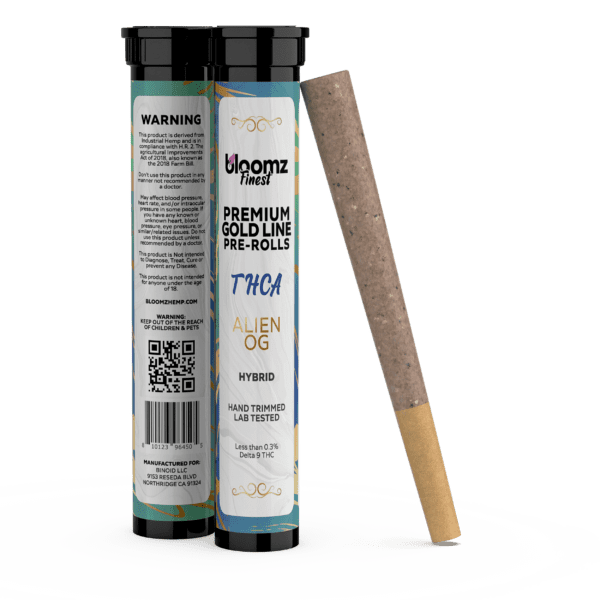
Exotic THCA Pre-Rolls Gold Line – 3-Pack/6 Pack
$36.99$69.99 -
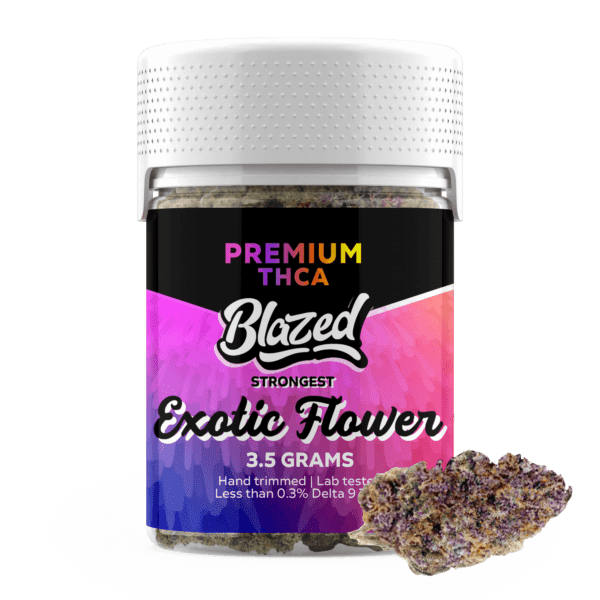
Blazed Exotic THCA Flower
$36.99$79.99 -
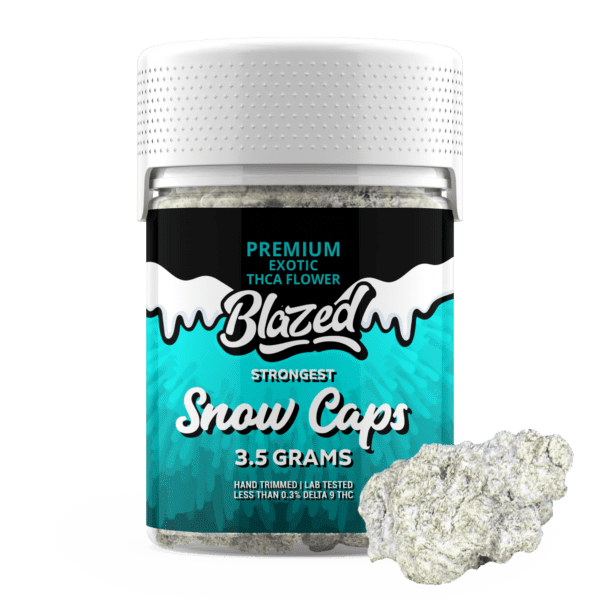
Blazed Strongest Exotic THCA Snow Caps
$58.99$93.99 -
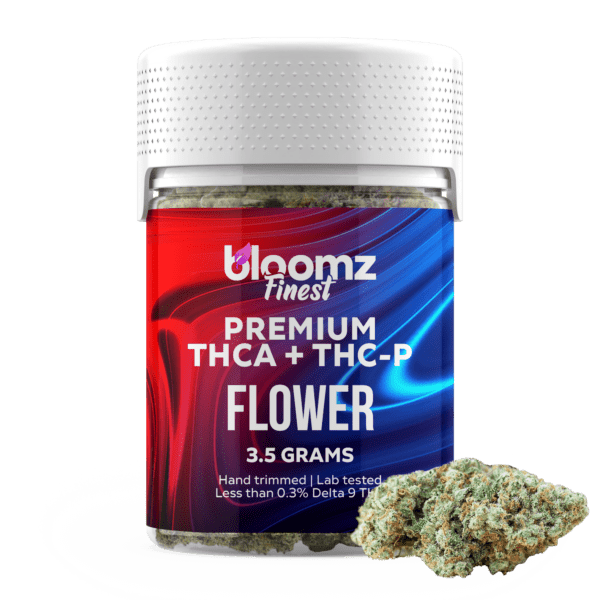
THCA + THC-P Flower
$47.99$89.99
The effects can also reveal whether cannabis has been stepped on. Users often report that the high feels weaker, shorter, or inconsistent compared to what they expect from a given strain or THC level. However, it’s important to note that individual tolerance and set-and-setting can also influence perception, so not every underwhelming experience means the product was necessarily altered.
From a market perspective, the concept of “stepping on” cannabis highlights the importance of transparency and trust. In legal, regulated markets, products are tested, labeled, and tracked to reduce the risk of tampering or misrepresentation. Consumers can verify potency, cannabinoid content, and safety before purchase. This greatly reduces the likelihood of receiving stepped-on product, though quality variation can still exist between brands and batches.
In contrast, unregulated markets lack these safeguards, which is where the term “stepped on” is most commonly used. Without standardized testing or oversight, consumers must rely on trust, reputation, or experience to evaluate quality. This environment creates more opportunities for product degradation or alteration, intentional or otherwise.
It’s also important to distinguish between “stepped on” and naturally low-quality cannabis. Not all weak or unimpressive cannabis has been tampered with. Sometimes it is simply grown poorly, harvested too early, or stored incorrectly. In these cases, the product is low quality rather than intentionally diluted. However, in everyday language, users often use “stepped on” loosely to describe both situations.
To illustrate this distinction, consider two scenarios:
In the first, a grower produces cannabis that is harvested too early, resulting in underdeveloped trichomes and weak potency. In the second, high-quality cannabis is mixed with lower-grade material before being sold. Both products may feel disappointing to the consumer, but only the second involves actual dilution or tampering. In casual conversation, however, both might be labeled as “stepped on.”
Another conversational example might go like this:
“This doesn’t hit like it should.”
“Probably just bad grow.”
“Or it’s stepped on.”
“Yeah, either way, it’s not what we expected.”
This shows how flexible the term can be depending on context and interpretation.
In conclusion, “stepped on” is a cannabis slang term used to describe product that has been diluted, tampered with, or reduced in quality before reaching the consumer. It reflects concerns about purity, honesty, and consistency in cannabis supply chains, especially in unregulated markets. While it often implies intentional alteration, it can also be used more broadly to describe any cannabis that falls below expected quality standards. Understanding this term helps consumers recognize the importance of sourcing, transparency, and quality control when evaluating cannabis products.
To Buy Cannabis Flower Click Here
Recommended products
-
THCA Flower – Exotics – Gold Line
$37.99$89.99 -
THCA Flower – Mystery Reserve
$41.99$79.99 -
THCA Smalls
$139.99$256.99