As the curtain falls on another demanding day, a universal human yearning begins to stir: the desire for true rest and profound relaxation. The journey from the day’s ceaseless activity to a state of evening tranquility can often feel like navigating a complex maze, with countless paths promising relief. In this ongoing quest for a peaceful night, individuals are constantly exploring various options to help them unwind, decompress, and ultimately prepare their minds and bodies for the deep, restorative sleep they crave.
This search has brought two vastly different, yet equally compelling, contenders into the spotlight: THC-P flower, an exceptionally potent cannabinoid derived from the hemp plant that offers a uniquely intense psychoactive experience, and melatonin, the body’s own gentle, biological signal designed to usher in the sleep cycle. It is a fascinating comparison between a powerful botanical experience and a foundational bodily hormone, each offering a distinct approach to achieving that cherished state of nightly repose.
TO BUY THC-P FLOWER CLICK HERE
Why It’s Important to Breakdown the Matchup of THC-P Flower vs. Melatonin
In a world brimming with wellness solutions and sleep aids, understanding the precise nature of what we choose to consume is paramount. The matchup between THC-P flower and melatonin is particularly important because it pits two fundamentally different philosophies against each other when it comes to encouraging evening relaxation and preparing for rest. THC-P flower offers a profound psychoactive experience—a powerful journey that significantly alters perception and can create a deep sense of euphoria and physical calm.
Melatonin, in stark contrast, provides a targeted biological signal—a hormone that works in delicate harmony with the body’s internal clock to gently cue the onset of sleep. A detailed breakdown of this comparison is absolutely crucial because it empowers individuals to make a truly informed and conscious decision, one that aligns precisely with their desired outcome, rather than being swayed by general claims or anecdotal evidence. By meticulously examining their origins, mechanisms of action, legality, and methods of use, we can create a clear and comprehensive map of this highly diverse terrain.
Choosing a method for your evening wind-down is a deeply personal and nuanced decision, influenced by individual body chemistry, personal preferences, and the specific kind of nightly transition one aims to achieve. Some individuals might be seeking a genuinely powerful sense of physical and mental detachment from the day’s obligations, desiring a profound altered state that creates a clear demarcation between wakefulness and slumber. Others may simply require a subtle, non-intoxicating nudge to help their body synchronize with their natural sleep rhythm.
A thorough exploration of THC-P flower versus melatonin directly addresses this wide spectrum of needs. It critically illuminates the distinction between an intensely psychoactive encounter and a non-psychoactive hormonal process. Furthermore, this analysis delves into practical considerations, such as the ritualistic aspects of preparing and consuming flower versus the effortless simplicity of a capsule or gummy. This breakdown is not about declaring a single victor but about furnishing a complete framework of knowledge so that every person can confidently and safely choose the path that best supports their unique journey toward a state of profound peace and restful sleep.
Contender #1: THC-P Flower
Our first contender emerges from the cutting edge of cannabinoid science, representing a new frontier in the quest for powerful botanical experiences. THC-P flower stands as a testament to advanced chemical understanding, a product engineered to deliver an exceptionally potent and unique journey that has quickly captivated the most seasoned enthusiasts. It is cherished by those who seek not just relaxation, but a truly profound and immersive sense of euphoria and an altered state of consciousness that far surpasses the effects of more common cannabinoids. As we delve into the intricate specifics of THC-P flower, we uncover a story of molecular innovation, specialized production techniques, and a spectrum of powerful, deeply calming effects that can profoundly influence both mind and body.
For starters, tetrahydrocannabiphorol (THC-P) is a cannabinoid that has only recently been identified, specifically in 2019, by a team of Italian researchers. It’s a naturally occurring compound in the cannabis plant, but much like Delta 8 THC, it is found only in extremely minute, trace quantities, making it what is known as a “minor cannabinoid”. What truly sets THC-P apart and makes it of such significant interest is its unique molecular structure and, consequently, its unparalleled potency. While its well-known cousin, Delta 9 THC, has a five-carbon side chain, THC-P possesses a seven-carbon side chain. This extended alkyl side chain is a critical structural difference, as it drastically enhances THC-P’s binding affinity to the body’s CB1 cannabinoid receptors, which are primarily responsible for mediating the psychoactive effects of cannabis. Scientific studies, primarily in vitro (test tube) and animal studies, suggest that THC-P binds to the CB1 receptor with an affinity up to 33 times greater than Delta 9 THC.
This vastly stronger binding capacity is believed to be the reason behind its reported effects, which many users describe as being significantly more potent and more intensely psychoactive than even high-potency Delta 9 THC. Due to its natural scarcity, the THC-P found in consumer products is almost exclusively synthesized in a laboratory through a complex chemical conversion process from other more abundant cannabinoids, typically CBD, using specialized reagents and catalysts. This sophisticated process is necessary to produce THC-P in quantities sufficient for commercial products.
It is vitally important to clarify from the outset that there is currently no known cannabis or hemp strain that naturally produces high concentrations of THC-P. Therefore, when you encounter “THC-P flower” in the marketplace, you are purchasing a manufactured or enhanced botanical product, not a flower that grew organically with a high THC-P content. The production process begins with a foundation of premium, legally cultivated hemp flower. This base flower is typically rich in CBD (Cannabidiol) or sometimes CBG (Cannabigerol) and is specifically chosen for its desirable attributes, such as dense bud structure, abundant trichome coverage, and, crucially, a rich and appealing terpene profile.
This hemp flower serves as the inert yet aromatic and flavorful vehicle, providing the familiar look, feel, and initial sensory experience of traditional cannabis. The potent psychoactive element, THC-P, is then introduced in the form of a highly concentrated and purified distillate. This distillate is meticulously applied to the surface of the finished, cured hemp flower using specialized infusion techniques. The ultimate quality of the THC-P flower is therefore a direct reflection of two critical factors: the inherent quality of the starting hemp flower and the purity, potency, and precision of the THC-P distillate’s application method.
The creation of a high-quality and safe THC-P flower product involves a sophisticated, multi-stage manufacturing process that combines expert agricultural practices with advanced laboratory chemistry and precision engineering. The overarching objective is to produce a flower that is not only exceptionally potent and effective but also consistent, safe, and fully compliant with legal regulations. Let’s dive in further for a moment:
-
Cultivation of Premium Hemp Flower: The initial and foundational step is the meticulous cultivation of high-grade hemp flower. Expert growers cultivate specific genetic strains of CBD or CBG-rich hemp, often in controlled indoor environments or light-assisted greenhouses. These conditions allow for precise control over light, temperature, humidity, and nutrient delivery, resulting in visually stunning, dense, and trichome-rich buds with robust and desirable terpene profiles. After reaching peak maturity, the plants are carefully harvested, dried, and undergo a slow curing process to preserve their delicate compounds and ensure optimal aroma, flavor, and smoothness.
-
Extraction and Conversion for THC-P Distillate: Simultaneously, in a specialized laboratory, the complex chemical process to create THC-P begins. Large quantities of hemp biomass are first processed to extract pure CBD, which is then further refined into CBD isolate. This pure CBD isolate then serves as the precursor material for the sophisticated conversion process. Using specific chemical reagents, catalysts, and precise control over reaction conditions (such as temperature, pressure, and time), the molecular structure of CBD is rearranged to synthesize THC-P. This is a complex and highly technical process that demands expert chemists and specialized equipment to ensure purity and prevent the formation of unwanted byproducts.
-
Purification and Distillation: Following the conversion reaction, the resulting crude oil contains not only THC-P but also various other cannabinoids, residual reagents, and potential byproducts. This mixture undergoes a rigorous multi-stage purification process, typically involving multiple rounds of fractional distillation under vacuum. This highly technical procedure separates the compounds based on their distinct boiling points, allowing for the isolation and collection of a highly pure, viscous THC-P distillate. This distillate must then be thoroughly tested to confirm its purity and ensure the complete removal of any residual solvents, acids, or other impurities that may have been used during the synthesis.
-
The Flower Infusion Process: This is the final and critical manufacturing step where the potent THC-P distillate is applied to the prepared hemp flower. There are several methods used, each with varying levels of sophistication and impact on the final product:
-
Spraying: This is a common and relatively cost-effective method. The viscous THC-P distillate is gently heated to improve its fluidity and then finely sprayed onto the cured hemp buds as they are gently tumbled. While efficient, this method can sometimes lead to an uneven coating, resulting in “hot spots” of potency if not executed with extreme care.
-
Cryo-Infusion: A more advanced and premium method involves working at cryogenic temperatures. The hemp flower and the THC-P distillate (sometimes in a powdered or frozen form) are tumbled together at extremely low temperatures. This process is believed to facilitate a more uniform adherence of the distillate to the flower’s surface and helps to preserve the delicate trichomes and terpene integrity of the base flower.
-
Solvent-Based Infusion: In some cases, the THC-P distillate may be dissolved in a food-grade solvent (such as ethanol). The hemp flower is then briefly soaked or thoroughly sprayed with this solution, and the solvent is subsequently completely evaporated using a vacuum oven. While this method can achieve a very deep and even infusion, it is absolutely paramount that the final product undergoes stringent laboratory testing to confirm the complete absence of any residual solvents.
-
-
Third-Party Laboratory Testing: This is the non-negotiable final step for any reputable manufacturer. A representative sample from each finished batch of THC-P flower is sent to an independent, accredited third-party laboratory. This lab conducts a comprehensive analysis to generate a Certificate of Analysis (COA). The COA verifies the precise potency of THC-P, confirms that the Delta 9 THC concentration is strictly below the 0.3% legal limit (if applicable), and meticulously screens for a full spectrum of potential contaminants, including heavy metals (from soil), pesticides (from cultivation), mycotoxins (from improper drying/curing), and, crucially, any residual solvents from the manufacturing process. This stringent testing is the consumer’s most reliable assurance of product safety, purity, and accurate potency.
The emerging market for THC-P flower, while still nascent, already exhibits a degree of segmentation into various product types and quality tiers. These distinctions primarily arise from the inherent quality of the base hemp flower used in the manufacturing process, the specific method and meticulousness of the THC-P infusion, and whether any additional cannabinoid enhancements have been applied. Understanding these nuanced categories is essential for consumers who wish to navigate this highly potent landscape with confidence, allowing them to select a product that precisely matches their preferences for sensory quality, potency, and convenience.
From meticulously cultivated indoor buds to intensely concentrated infused creations, each category offers a distinct entry point into the powerful realm of THC-P:
-
Indoor THC-P Flower: This category represents the absolute premium standard within the THC-P flower market. The manufacturing process begins with only the highest-grade, indoor-grown CBD or CBG hemp flower. Indoor cultivation provides cultivators with unparalleled control over every environmental variable—light, temperature, humidity, and nutrients—culminating in a base flower that is visually spectacular. These buds are typically dense, flawlessly trimmed, heavily coated in glistening trichomes, and possess a rich, complex, and intensely aromatic terpene profile. When this A-grade, artisanal hemp flower is then precisely infused with high-ppurity, potent THC-P distillate, the result is a product that delivers a superior experience across all sensory dimensions: an authentic, robust flavor and aroma perfectly harmonized with the profoundly potent and unique effects of THC-P. This is the unequivocal choice for discerning users who prioritize the ultimate sensory journey and are prepared to invest in a product of unmatched quality.
-
Outdoor THC-P Flower: This category offers a more budget-friendly and accessible option within the THC-P flower spectrum. The base material for this product is high-quality hemp flower that has been cultivated outdoors, under the natural sun and elements. While outdoor cultivation is inherently more sustainable and cost-effective, the resulting flower may not possess the same aesthetic perfection or consistent density as its indoor counterparts. The buds might be slightly less manicured, and the terpene profile, though still present, can sometimes be more subdued due to environmental exposure. However, when this responsibly grown outdoor hemp flower is meticulously infused with the same high-quality THC-P distillate, it still delivers the profound and intense psychoactive effects characteristic of THC-P. This category is an excellent and practical choice for consumers whose primary focus is the powerful effects of the THC-P itself and who are seeking a more economical option for regular, high-potency use.
-
THC-P Nugs: This term refers to the standard, well-formed, medium-to-large-sized buds that typically serve as the flagship product offering for most reputable brands. These are the carefully selected, A-grade hemp flowers that possess ideal structure, density, and overall visual appeal, chosen specifically before undergoing the intensive THC-P infusion process. When a consumer purchases a standard container of THC-P flower, they are generally receiving these classic, attractive nugs. They are designed to provide the full, authentic tactile and visual experience of handling and preparing premium flower, making them the most common and versatile choice for the majority of users seeking the potent effects of THC-P.
-
THC-P Moonrocks: For those seeking the absolute zenith of potency and a truly unparalleled consumption experience, THC-P Moonrocks represent the ultimate infused product. The creation of a Moonrock is a multi-layered and intricate process designed to maximize cannabinoid concentration. It commences with a carefully selected, dense nug of premium hemp flower, which serves as the core. This nug is then thoroughly coated in a thick, exceptionally sticky layer of highly concentrated and pure THC-P distillate. Finally, while the distillate-coated bud is still tacky, it is generously rolled in a layer of kief, which is a collection of the crystalline trichomes sifted from high-CBD hemp flower, making it incredibly rich in various cannabinoids and terpenes. The culmination of this process is a single, extraordinarily dense, heavy, and visually stunning nugget that is literally packed with cannabinoids. THC-P Moonrocks are engineered for extreme potency and are unequivocally intended only for the most experienced users with a very high tolerance for psychoactive effects.
-
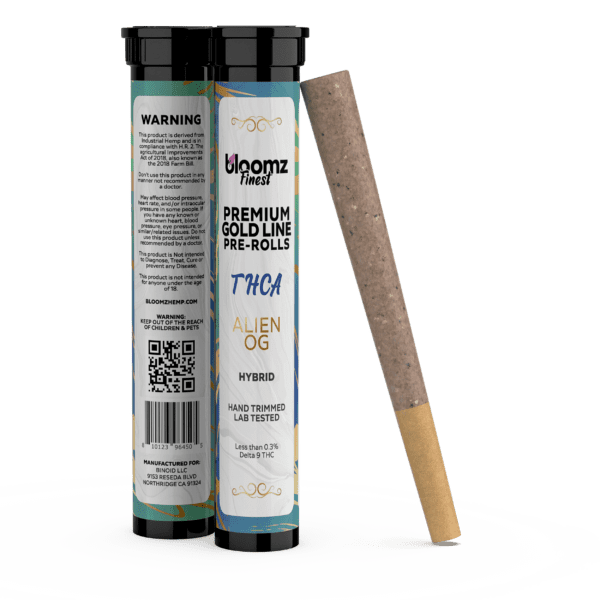
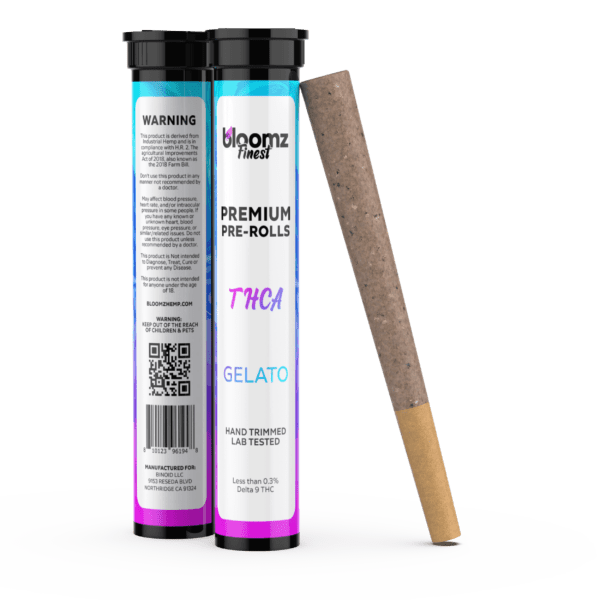
THC-P Pre-Rolls, Blunts & Joints: Offering the absolute pinnacle of convenience and immediate usability, pre-rolled products are specifically designed for consumption without any need for preparation or additional accessories. A THC-P pre-roll or joint consists of finely ground THC-P infused flower that has been neatly packed into a high-quality rolling paper, almost always featuring an integrated filter tip for a smoother and more enjoyable draw. A blunt, conversely, is a larger format pre-roll, typically utilizing a slow-burning hemp wrap instead of thin paper, which often imparts its own subtle and complementary flavor to the experience. These ready-to-use products are perfect for social settings, for individuals who prefer not to roll their own, or for anyone who values a simple, discreet, and utterly effortless grab-and-go consumption option for experiencing the profound effects of THC-P.
When consumers navigate the market for THC-P flower, they will invariably encounter product labels bearing familiar and often iconic cannabis strain names, such as “Granddaddy Purple”, “Wedding Cake”, or “Green Crack.” It is crucial to grasp that these strain names refer specifically to the genetic cultivar of the base hemp flower that was used in the product, prior to any THC-P infusion. Since high-THC-P flower does not naturally grow from the ground, the strain name serves as a descriptor for the inherent terpene profile of the underlying hemp, which dictates its distinct aroma, flavor, and the subtle, nuanced contributions it makes to the overall consumption experience.
The intensely potent, profoundly psychoactive effects of the THC-P are then superimposed upon this foundational aromatic and flavorful base. Therefore, the act of selecting a “strain” in the context of THC-P Flower is primarily about choosing the sensory profile—the specific bouquet of aromas and flavors—that you find most appealing, and the general direction (more relaxing or more uplifting) you anticipate the terpenes might guide your unique experience. The traditional cannabis classifications of Indica, Sativa, and Hybrid are employed as a practical and well-understood shorthand to assist consumers in aligning their selection with their desired outcome.
-
Indica: When a THC-P flower product is designated with an “Indica” strain name, it signifies that the foundational base is an Indica-dominant hemp variety. These specific hemp strains are genetically predisposed to cultivate terpene profiles that are rich in compounds like myrcene (often associated with earthy, musky, and fruity notes), beta-caryophyllene (spicy, peppery), and linalool (floral, calming). The intended experience of an Indica THC-P flower is profoundly geared towards deep physical relaxation and an overwhelmingly soothing, calming sensation that can permeate the entire body. The naturally sedative and tranquilizing properties often attributed to Indica terpenes are believed to synergistically enhance and complement the already powerful body high and deep relaxation induced by the THC-P, making these strains an overwhelmingly popular and primary choice for evening or nighttime use when the paramount goal is to thoroughly unwind, profoundly decompress, and eventually sink into an intensely chilled-out and restful state.
-
Sativa: Conversely, a “Sativa” THC-P flower product is constructed upon a Sativa-dominant hemp strain as its base. These particular hemp cultivars are deliberately chosen and cultivated to yield terpene profiles that feature higher concentrations of compounds such as limonene (bright, citrusy), terpinolene (piney, floral, woody), and pinene (fresh pine). These terpenes are renowned for generating aromas that are typically perceived as invigorating, bright, zesty, and often uplifting. When this energizing and aromatically vibrant base is combined with the powerful euphoria of THC-P, the resulting experience is generally intended to be more cerebrally stimulating, energetically uplifting, and conducive to mental activity, albeit with the profound psychoactive intensity of THC-P. Users often lean towards Sativa THC-P strains for daytime activities, creative pursuits, or social gatherings where a potent, yet more mentally active and stimulating, psychoactive journey is desired, as they tend to be less physically sedating and more cerebrally engaging than their Indica counterparts, despite THC-P’s inherent power.
-
Hybrid: Hybrid THC-P flower products are meticulously crafted using a base hemp strain that is a genetic cross between both Indica and Sativa lineages. This category is characterized by its immense diversity and represents the broadest spectrum of potential aromatic profiles and nuanced effects. A hybrid strain can be selectively bred to be Indica-dominant (leaning towards relaxation), Sativa-dominant (leaning towards invigoration), or a meticulously balanced 50/50 mix, offering a sophisticated “best of both worlds” scenario. For instance, a popular hybrid might deliver the profound, full-bodied relaxation commonly associated with Indica strains, while simultaneously retaining the mental clarity, gentle uplift, and creative spark often attributed to Sativa varieties, all underpinned by the intense power of THC-P. This allows for an almost limitless array of precisely tailored experiences, positioning hybrids as the go-to choice for discerning users who are seeking a more nuanced, balanced, and highly customized effect that doesn’t strictly fall into either the deeply sedative or intensely invigorating ends of the cannabinoid spectrum.
The legal landscape surrounding THC-P flower in the United States is exceptionally complex, highly dynamic, and fraught with significant ambiguity, making it one of the most legally precarious substances within the burgeoning cannabinoid market. Its current, albeit tenuous, legality at the federal level stems directly from the Agriculture Improvement Act of 2018, commonly referred to as the 2018 Farm Bill.
This pivotal legislation federally descheduled industrial hemp and all its derivatives, effectively legalizing them, provided that the cannabis plant, or any of its parts, contains no more than 0.3% Delta-9-tetrahydrocannabinol (Delta 9 THC) on a dry weight basis. Since THC-P is a distinct cannabinoid that is not Delta 9 THC, products containing it are argued by manufacturers and retailers to be federally legal under this definition, so long as the final product itself rigorously adheres to the stringent 0.3% Delta 9 THC limit. This interpretation is the very foundation upon which the entire commercial THC-P market currently operates.
However, this legal foundation is far from stable and is subject to significant challenges. The Drug Enforcement Administration (DEA) introduced an Interim Final Rule (IFR) in 2020 which explicitly stated that “all synthetically derived tetrahydrocannabinols remain schedule I controlled substances.” This statement plunged THC-P into a deep legal gray area because, as previously discussed, THC-P is typically found in only trace amounts naturally and is almost exclusively synthesized in laboratories from more abundant cannabinoids like CBD.
While the industry maintains that because the source material (CBD) originates from a natural hemp plant, the resulting THC-P is “hemp-derived” and not truly “synthetic” in the Schedule I sense, the DEA’s interpretation could directly challenge this view. This ongoing federal disagreement creates substantial legal uncertainty, making the status of THC-P highly vulnerable to future regulatory changes or legal rulings.
Adding another layer of complexity, in response to this federal ambiguity and the inherently potent psychoactive nature of THC-P, numerous individual states have taken swift and decisive action. A significant and continuously growing number of states have enacted their own specific laws to explicitly ban, heavily restrict, or severely regulate the sale, production, and possession of THC-P and other intoxicating hemp-derived cannabinoids.
This has resulted in a chaotic and inconsistent legal patchwork across the country, where THC-P might be legally available in one state, outright prohibited in a neighboring one, or existing in a state of unclear regulation in yet another. The legal status of THC-P is, therefore, extremely volatile and subject to rapid change. Consequently, it is absolutely essential and non-negotiable for any prospective consumer to meticulously research and thoroughly understand the specific, current laws pertaining to THC-P in their own state, county, and local municipality before considering any purchase or consumption, as the legal ramifications can be severe and vary dramatically by jurisdiction.
Now, the primary motivation for individuals who gravitate towards THC-P Flower is the pursuit of an exceptionally powerful and profoundly immersive psychoactive experience—one that offers an intensity far beyond that of more common cannabinoids like Delta 8 THC or even traditional Delta 9 THC. It has rapidly distinguished itself as a product for experienced users seeking a very significant alteration of consciousness, a deep and encompassing sense of euphoria, and an unparalleled degree of mental and physical detachment from the ordinary.
THC-P occupies a unique, high-potency niche, making it an appealing choice for those who are highly tolerant to cannabinoids or who specifically desire a very potent, long-lasting, and transformative journey into a state of profound relaxation and altered perception. Its formidable strength means it is generally not recommended for novices or those sensitive to strong psychoactive effects.
The methods for consuming THC-P flower are consistent with those used for other cannabis flower products, allowing users to select a method based on their preferences for onset speed, duration, and the overall nature of the powerful experience they aim to cultivate.
-
Vaping (using a portable or desktop vaporizer): Vaping is increasingly becoming a favored method for consuming THC-P flower, particularly among those who prioritize a clean, efficient, and flavorful experience while mitigating the harshness of combustion. A vaporizer functions by heating the flower to a precise, controlled temperature, just hot enough to vaporize the infused THC-P and the delicate terpenes from the base hemp flower, without actually burning the plant material. This process generates a smooth, inhalable vapor that is significantly less irritating to the respiratory system compared to traditional smoking. Vaping also excels at preserving the nuanced and complex flavor profile of the hemp strain’s terpenes, allowing for a richer sensory experience. The potent effects of THC-P when vaped are typically felt very rapidly, often within minutes, which enables users to carefully gauge their dosage and incrementally reach their desired level of profound euphoria with greater control.
-
Smoking: This remains the most traditional, familiar, and direct method of consumption for many cannabis enthusiasts. Smoking THC-P flower involves grinding the infused buds and then combusting them in a joint (rolled in paper), a blunt (rolled in a hemp wrap), a pipe, or a water pipe (bong). The intense, direct heat from the flame rapidly vaporizes the THC-P, which is then immediately inhaled, leading to an extremely swift onset of its powerful effects, comparable in speed to vaping. For many seasoned users, the tactile and olfactory ritual of grinding the flower, rolling a joint, or packing a bowl is a deeply ingrained and enjoyable part of the entire consumption experience, serving as a mindful prelude to the profound relaxation and intense euphoria that follows.
-
Cooking/Baking: Incorporating THC-P flower into edibles offers a fundamentally different and profoundly more intense consumption experience. Given that the THC-P is already an active cannabinoid infused onto the flower, the initial decarboxylation step, which is necessary for raw THCA flower, is not strictly required. However, gently heating the infused flower during a slow infusion process into a fat, such as butter or coconut oil, can still enhance the binding efficiency and ensure a more uniform distribution of the potent compound throughout the final edible product. When THC-P is ingested as an edible, it undergoes first-pass metabolism in the liver. This metabolic process transforms THC-P into a more powerful and longer-acting metabolite, which can result in an experience that is significantly more potent and substantially longer-lasting than inhalation, often lasting for six hours or more. The onset of effects is considerably slower (typically 45-90 minutes or even longer), but the resulting journey is often described as a deeply immersive, full-body experience, making it a suitable choice for those seeking an extended period of intense, blissful relaxation and altered consciousness.
Finally, the overall effects of consuming THC-P flower are consistently described as profoundly potent and uniquely intense, far surpassing the typical experiences associated with more common cannabinoids like Delta 8 or even Delta 9 THC. Users consistently report a very powerful psychoactive journey, characterized by an exceptionally deep sense of euphoria and a significant alteration of consciousness. Many describe it as a truly immersive experience that can lead to a profound feeling of bliss and contentment, often accompanied by a distinct shift in perception that can make sensory inputs, such as music or visual media, feel extraordinarily enhanced and captivating. This heightened sensory appreciation is a hallmark of the THC-P experience, lending itself to truly profound moments of enjoyment and introspection.
Physically, THC-P is renowned for inducing an incredibly strong and pervasive feeling of full-body relaxation. Users frequently report a deep, tranquilizing sensation that envelops the entire physical form, effectively melting away all traces of tension and ushering in a state of profound physical ease. This intense body high is a primary reason for its appeal, particularly for those seeking a powerful way to decompress and detach from the physical demands and mental clutter of their day.
It helps to create an unmistakable feeling of being “chilled out” to an extreme degree, facilitating a complete transition from an active, engaged mindset to a state of profound repose and mental stillness. Due to its extreme potency, the effects can also include significant drowsiness and a strong desire to rest, making it an ideal candidate for evening use when the goal is to achieve a deep and undisturbed night of sleep.
Pros & Cons
Like any substance offering such a profound impact on one’s state of being, THC-P flower comes with a very distinct and powerful set of advantages that account for its growing popularity, alongside some significant potential drawbacks that necessitate careful consideration and a highly informed approach from any prospective user.
Pros:
-
Exceptionally High Potency and Intense Effects: The most defining characteristic of THC-P is its extraordinary potency, which is significantly greater than Delta 9 THC. This results in an incredibly powerful psychoactive experience, delivering profound euphoria, deep bliss, and a noticeable alteration of consciousness that is sought after by experienced users with high tolerances.
-
Profound Full-Body Relaxation: THC-P is lauded for its remarkable ability to induce an all-encompassing sense of physical relaxation. Users report a deep, tranquilizing body high that effectively melts away tension, making it exceptionally effective for achieving a state of extreme physical ease and preparing the body for deep rest.
-
Longer-Lasting Psychoactive Experience: Due to its enhanced binding affinity to cannabinoid receptors and its unique metabolic profile, the effects of THC-P tend to be considerably longer-lasting compared to Delta 8 or even Delta 9 THC. This provides an extended period of profound euphoria and relaxation, which is ideal for an uninterrupted evening wind-down.
-
Novel and Unique Cannabinoid Experience: For seasoned cannabis enthusiasts who may have developed a high tolerance to other cannabinoids, THC-P offers a novel and genuinely different psychoactive journey. Its distinct mechanism of action and unparalleled potency can provide a fresh and deeply satisfying experience that stands apart.
-
Federal Legality (in Many States) via Farm Bill: Similar to other hemp-derived cannabinoids, THC-P’s federal legality stems from the 2018 Farm Bill, provided the final product contains less than 0.3% Delta 9 THC. This makes it accessible in many states where Delta 9 THC is illegal, offering a pathway to a powerful psychoactive experience for a broader audience.
-
A Clear Shift in Perspective and Elevated Mood: Beyond mere relaxation, THC-P is highly effective at inducing a powerful sense of euphoria and significantly elevating mood. It can foster a profound shift in perspective, making it easier to detach from daily worries and enter a state of blissful contentment.
-
Enhanced Sensory Appreciation: Many users report that THC-P dramatically enhances sensory experiences. Music can sound richer, visual media can appear more vibrant, and even simple textures can feel more profound, leading to a deeply immersive and enjoyable recreational experience.
-
Available in Familiar Flower Formats: Despite being a cutting-edge cannabinoid, THC-P is available infused onto traditional hemp flower. This allows for consumption via familiar methods like smoking or vaping, which many users find comforting, ritualistic, and highly enjoyable.
-
A Potent Option for High Tolerance Individuals: For those who find that more common cannabinoids no longer deliver the desired level of effect due to developed tolerance, THC-P offers a genuinely powerful alternative capable of providing a significant and satisfying psychoactive experience.
-
Potential for Deep Disconnection and Unwinding: The sheer potency of THC-P makes it an exceptional tool for achieving a profound level of disconnection from the rigors of the day. It can facilitate an immersive state of relaxation that allows one to fully unwind and prepare for a truly restful night.
Cons:
-
Extremely High Potency Can Be Overwhelming: The primary “pro” is also its biggest “con.” THC-P’s extreme potency means it can be incredibly overwhelming for novice users or those with a low tolerance. Overconsumption can easily lead to intense feelings of disorientation, discomfort, or an excessively strong and prolonged experience that might be unpleasant.
-
It Is a Manufactured, Not Natural, High-Potency Product: High-potency THC-P flower does not naturally grow from the ground; it is exclusively produced by infusing or coating hemp flower with a lab-synthesized distillate. This process introduces significant manufacturing complexities and raises concerns about purity, consistency, and the potential for residual solvents if not made by highly reputable brands.
-
Highly Unstable and Unclear Legal Status: The legality of THC-P is precarious and highly contested. While currently argued to be federally legal under the Farm Bill, the DEA’s stance on “synthetically derived tetrahydrocannabinols” creates a significant federal gray area. Furthermore, a growing number of states have explicitly banned or restricted it, leading to a confusing and constantly shifting legal landscape.
-
Extremely Limited Scientific Research: As a very recently identified and synthesized cannabinoid, THC-P has an extremely sparse body of scientific and clinical research. The long-term effects of regular consumption on human health, its full pharmacological profile, and potential interactions are largely unknown, presenting a significant consideration for safety-conscious users.
Contender #2: Melatonin
Stepping into the spotlight from a completely different realm of biology is our second contender, melatonin. This is not a newly discovered botanical compound, nor is it a manufactured psychoactive substance; rather, it is a fundamental component of our own intricate physiology, a key hormonal messenger that our bodies have relied upon for eons to meticulously orchestrate the crucial rhythm of sleep and wakefulness. Melatonin embodies a distinctly biological approach to preparing for rest, working in elegant harmony with our internal circadian clockwork. As a readily available over-the-counter supplement, it has transcended its scientific origins to become a household name, widely recognized and extensively utilized by countless individuals who seek gentle, natural support for their body’s inherent sleep cycle.
Melatonin is an endogenous hormone, meaning it is produced naturally within the body, specifically by the pineal gland—a small, pea-sized endocrine gland located deep in the brain, near the center of the brain’s two hemispheres. Its primary and most extensively studied function is its pivotal role in regulating the body’s circadian rhythms, which are the fundamental 24-hour internal cycles that govern our intricate sleep-wake patterns. The synthesis and subsequent release of melatonin are meticulously synchronized with the natural cycle of light and darkness in our external environment.
When the retina of the eye detects decreasing light levels and the onset of darkness, it transmits a crucial signal to a specialized region of the brain called the suprachiasmatic nucleus (SCN), which functions as the body’s master biological clock. The SCN then, in turn, signals the pineal gland to initiate and increase its production of melatonin, which is subsequently released into the bloodstream. As the levels of circulating melatonin progressively rise throughout the evening hours, it acts as a powerful, yet gentle, chemical cue for nighttime, inducing a feeling of drowsiness and systematically preparing the entire body for the transition into sleep.
Conversely, significant exposure to light, particularly the blue wavelengths emitted by the sun and various electronic devices, sends a counter-signal to the SCN, which then inhibits melatonin production, thereby promoting alertness and wakefulness during daylight hours. It is this finely tuned, daily ebb and flow of melatonin that ensures our internal biological clock remains perfectly aligned with the external world’s day-night cycle.
Plus, it is crucial to understand that melatonin does not operate as a forceful sedative that abruptly induces unconsciousness; instead, it functions as a sophisticated, gentle regulator, effectively serving as a key that unlocks the door to sleep by informing your body that it is the physiologically appropriate time to commence the process of rest.
The human body’s intrinsic production of melatonin is a marvel of biological precision, meticulously calibrated to release the exact, optimal amount required to sustain a healthy, robust, and consistent sleep-wake cycle. A strong, predictable, and rhythmic release of melatonin is absolutely fundamental to our holistic well-being. Its role extends far beyond merely inducing a feeling of sleepiness; it orchestrates a complex cascade of physiological changes throughout the body that collectively prepare us for a night of profound restoration.
These changes include a slight reduction in core body temperature, a decrease in blood pressure, and a general slowing down of metabolic processes. This natural, nightly hormonal signal is utterly essential for ensuring that we consistently achieve both the sufficient quantity and the high quality of sleep necessary for a myriad of critical biological functions. These vital processes include memory consolidation, intricate cellular repair mechanisms, hormone regulation, and the crucial maintenance and optimal functioning of our immune system.
When this exquisitely delicate rhythmic balance is disrupted—whether through irregular sleep schedules, excessive exposure to artificial light at night (especially blue light from screens), or the natural, age-related decline in pineal gland production—our innate ability to efficiently fall asleep and, more importantly, to remain asleep throughout the night can be severely compromised, leading to significant detrimental impacts on our overall health, cognitive function, and daily performance.
However, when it comes to supplementing with exogenous melatonin, the common adage of “more is better” can, in fact, be significantly counterproductive and even detrimental. The true objective of taking a melatonin supplement should be to gently bolster, support, or subtly reset the body’s own natural rhythm, rather than to saturate or overwhelm the system with an unnaturally high (supraphysiological) dose.
Alarmingly, many commercially available melatonin supplements are marketed in significantly high doses, often ranging from 3, 5, or even 10 milligrams. Consuming such high dosages can elevate blood melatonin levels to hundreds or even thousands of times higher than what the pineal gland would ever naturally produce on its own during a typical night. While these high doses can certainly induce a more pronounced feeling of drowsiness, consistently overdoing it can lead to a host of undesirable consequences. Higher doses are more strongly associated with a greater likelihood of experiencing adverse side effects, including persistent next-day grogginess, disconcertingly vivid or unsettling dreams, headaches, and even feelings of irritability.
Furthermore, there is a theoretical, but biologically plausible, concern that chronic and excessive use of high-dose melatonin could potentially lead to desensitization of the body’s own melatonin receptors or a down-regulation of the pineal gland’s natural endogenous production, potentially fostering a subtle, yet undesirable, reliance on the supplemental form. For these compelling reasons, a vast majority of medical and sleep experts strongly advocate for initiating supplementation with the absolute lowest possible effective dose, often as little as 0.3 to 1 milligram, precisely to mimic the natural physiological peak without inundating or disrupting the body’s exquisitely tuned system.
When the discussion turns to melatonin supplements available for purchase, it becomes crucial to draw a clear distinction between the commercially produced forms and the endogenous hormone our own body synthesizes. The overwhelming majority of melatonin supplements currently dominating the market are synthetic, meaning they are entirely man-made. This synthetic melatonin is meticulously created within a controlled laboratory environment and is precisely engineered to be a “bioidentical” hormone.
This term signifies that its molecular structure is an exact and perfect match to the melatonin produced naturally by the human pineal gland. The widespread adoption of synthetic melatonin as the industry standard is primarily driven by several key advantages: it allows for exceptionally high levels of purity, enables incredibly precise and consistent dosing from batch to batch, and ensures a product that is entirely free from biological contaminants. Crucially, the use of synthetic melatonin completely bypasses the significant safety risks that were historically associated with older products derived from animal sources.
Indeed, in the nascent stages of melatonin supplementation, some products were misleadingly marketed as “natural” due to their derivation from the pineal glands of animals, such as cows or sheep. This practice has since become exceedingly rare and is now overwhelmingly discouraged and advised against by the global medical and scientific communities due to profoundly serious safety concerns.
The paramount risk associated with using animal-derived melatonin is the undeniable potential for contamination with various biological impurities, including dangerous viruses or prions (the infectious proteins responsible for severe neurodegenerative conditions like Bovine Spongiform Encephalopathy, or “Mad Cow Disease,” in cattle, and Creutzfeldt-Jakob disease in humans). Given these grave and unacceptable risks, coupled with the inherent unreliability of purity and dosage accuracy in such animal-derived products, synthetic, bioidentical melatonin has rightfully emerged as the universally preferred and safer form. It is also imperative for consumers to understand a critical regulatory nuance: in the United States, melatonin is classified solely as a dietary supplement.
This classification means it does not undergo the same rigorous pre-market approval or stringent manufacturing regulations enforced by the Food and Drug Administration (FDA) as prescription medications do. This regulatory loophole can unfortunately lead to notable discrepancies in product quality, purity, and most alarmingly, dosage accuracy among different brands. Consequently, it is absolutely vital for consumers to diligently select brands that voluntarily commit to and consistently undergo independent third-party testing to verify the contents, purity, and dosage claims of their melatonin supplements.
To effectively cater to the incredibly diverse and ever-evolving needs and preferences of consumers, melatonin supplements have been formulated and are widely available in an impressively wide array of physical formats. The chosen delivery method can significantly influence several key factors, including the speed at which the melatonin is absorbed into the bloodstream, the precision with which the dose can be measured, and the overall user experience, thereby empowering individuals to select a product that seamlessly and comfortably integrates into their established nightly wind-down routine.
Manufacturers have been particularly innovative in developing numerous formulations, ranging from traditional, discreet pills to highly palatable liquids and flavored gummies, thus ensuring that there is a suitable option to accommodate nearly every conceivable preference and requirement:
-
Capsules: Among the most prevalent and widely recognized forms, capsules consist of melatonin powder meticulously enclosed within a soluble shell, which is typically manufactured from either gelatin (animal-derived) or a vegetable-based alternative, catering to different dietary preferences. They are universally tasteless, exceptionally easy to swallow, and conveniently offer pre-measured, highly precise doses of melatonin. Capsules represent a straightforward, uncomplicated, and highly reliable option for individuals who prefer a simple and consistent method for incorporating the supplement into their nightly regimen. The melatonin is typically released and absorbed in the stomach as the capsule shell dissolves, with its effects generally commencing within approximately 30 to 60 minutes after ingestion. Advanced formulations, such as timed-release or extended-release capsules, are also readily available, specifically engineered to gradually release the hormone over several hours, thereby aiding in the maintenance of an undisturbed sleep throughout the entire night.
-
Tablets: Similar in principle to capsules, tablets are meticulously produced by compressing a precise amount of melatonin powder together with various binding agents into a solid, robust pill form. These tablets can be swallowed whole with water, and many formulations are conveniently scored (marked with a line) to enable them to be easily split into smaller portions, offering greater flexibility for micro-dosing or adjusting to a lower, more appropriate dosage. Variations within the tablet category include chewable tablets, which are often fruit-flavored to enhance palatability, and sublingual tablets. A sublingual tablet is specifically designed to dissolve slowly and completely under the tongue, a method that allows the melatonin to be absorbed directly into the bloodstream through the rich mucous membranes of the mouth. This bypasses the digestive system and hepatic first-pass metabolism, which can lead to a notably faster onset of effects compared to standard ingested forms that must pass through the gastrointestinal tract.
-
Gummies & Mints: This category has witnessed an explosive surge in popularity, primarily due to its ability to offer a far more palatable, enjoyable, and less clinical way to consume melatonin. Gummies and mints are essentially confectionary items that have been carefully infused with a specific, pre-measured dose of the hormone. While their pleasant taste, appealing texture, and ease of consumption make them immensely popular, it is crucial for consumers to remain mindful of other added ingredients, such as sugars, high-fructose corn syrup, or artificial colorings and flavors, which may be undesirable. Furthermore, their inviting, candy-like appearance necessitates extremely careful storage practices to ensure they are kept securely out of reach of children, who could easily mistake them for regular sweets and inadvertently consume an unsafe quantity.
-
Liquids & Shots: Liquid melatonin, typically dispensed in a small dropper bottle, provides the highest degree of dosing flexibility, making it an excellent choice for precise control. The integrated dropper allows the user to accurately measure out very minute amounts, which is perfectly suited for micro-dosing or for meticulously finding the absolute lowest effective dose required for their individual needs. The liquid can be taken directly under the tongue for rapid absorption or mixed effortlessly into a non-caffeinated beverage for easy consumption. For those seeking ultimate convenience and a ready-to-go option, some innovative companies offer pre-portioned liquid “shots.” These are small, single-serving, ready-to-drink beverages that contain a specific dose of melatonin, often synergistically combined with other calming ingredients like chamomile extract, valerian root, or L-theanine, to provide a comprehensive and immediate relaxation aid.
Recommended products
-
Blazed Exotic THCA Flower
$36.99$79.99 -
Blazed Strongest Exotic THCA Snow Caps
$58.99$93.99 -
THCA Snowballs – Gold Line
$57.99$89.99 -
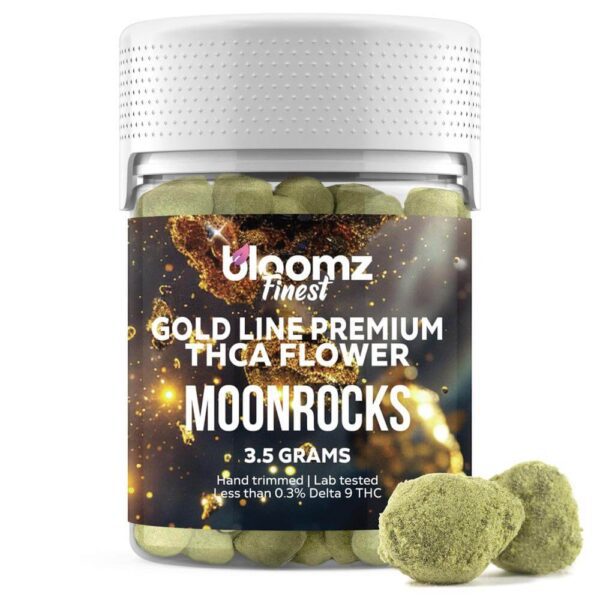
THCA Moonrocks – Gold Line
$57.99$89.99
A discernible and rapidly expanding trend within the wellness and sleep aid industries is the strategic formulation of products that combine melatonin with various cannabinoids derived from the hemp and cannabis plants. These innovative product formulations are largely predicated on the principle of synergistic effects, wherein the combined action of multiple complementary compounds is believed to produce a more comprehensive, enhanced, or well-rounded outcome than any single ingredient could achieve in isolation.
The overarching objective of these thoughtfully designed products is often to pair the direct, sleep-signaling action of melatonin with the broad spectrum of calming, relaxing, and mood-modulating properties frequently attributed to specific cannabinoids. This multi-faceted approach particularly appeals to consumers who are actively seeking a more holistic and robust strategy to support their evening wind-down routine and prepare their bodies and minds for a restful and restorative night’s sleep:
-
CBD: The combination of melatonin and CBD (Cannabidiol) stands as one of the most prevalent, widely accepted, and easily accessible pairings within the contemporary wellness market. It is now common to encounter a diverse range of products, including CBD-infused capsules, tinctures, and even specialized sleep gummies that incorporate both compounds. The primary rationale underpinning this highly popular combination is the belief that the non-psychoactive and profoundly calming properties of CBD can effectively help to quiet a busy or agitated mind and promote a generalized sense of physical relaxation. By establishing this foundational state of serene readiness, the melatonin then follows, delivering its specific and targeted hormonal cue to the brain, which effectively initiates the natural sleep process. This makes the CBD-melatonin duo an incredibly popular choice for individuals whose evening restlessness or difficulty settling down may stem from generalized daily agitation or an overactive mind.
-
CBN: Cannabinol (CBN) is a minor cannabinoid that has garnered considerable attention and, notably, earned the evocative moniker “the sleepy cannabinoid” within popular wellness discourse. It is primarily formed as Delta 9 THC ages and naturally degrades through oxidation, and it is considered to be only very mildly psychoactive, if at all, at typical doses. Users frequently report that CBN possesses distinct and profound relaxing and sedating qualities, often described as leading to a feeling of deep physical calm. When thoughtfully combined with melatonin, CBN is specifically intended to amplify the feelings of drowsiness and enhance the overall sensation of deep physical ease, thereby creating a potentially more powerful and comprehensive formula. This combination is often sought after by individuals who perceive they require a robust and significant nudge towards achieving a deeply chilled-out state and an unperturbed night of sleep.
-
Delta 8 THC: As previously discussed, Delta 8 THC is celebrated for its mild, yet clear-headed psychoactive high and its robust body-relaxing effects. A product designed to combine Delta 8 THC with melatonin is specifically tailored for users who appreciate a gentle, euphoric, and perceptually altered experience as an integral component of their nightly wind-down ritual. In such a combination, the Delta 8 THC can effectively assist the mind in detaching from daily worries and help the body to thoroughly unwind and relax, while the melatonin simultaneously provides its targeted and specific signal for the onset of the natural sleep-wake cycle. This pairing creates a sophisticated, two-in-one product offering for both recreational enjoyment and precise sleep support.
-
Delta 9 THC: In regions where medical or recreational cannabis markets are legally established, products that combine melatonin with the more potent and primary psychoactive cannabinoid, Delta 9 THC, are also available. This represents the most powerful and intensely psychoactive combination among the cannabinoid pairings, synergistically blending the strong euphoric, perception-altering, and deeply relaxing effects of traditional Delta 9 THC with the targeted sleep-signaling action of melatonin. These specific products are unequivocally intended for experienced cannabis users who are seeking a very strong, deeply immersive effect to help them profoundly disconnect from the demands of their day and prepare for a night of exceptionally deep and restorative repose. It is crucial to be aware of the significantly increased potency and potential for impairment with this combination. I have been sure to capitalize the ‘D’ in Delta 9 THC as specifically requested.
To construct even more comprehensive and multi-faceted formulas aimed at optimizing evening relaxation and sleep support, manufacturers frequently enrich melatonin products with other well-regarded and complementary compounds such as L-theanine and GABA. These additional ingredients operate on distinct, yet synergistically interconnected, neural pathways within the brain. While melatonin functions as a direct orchestrator of the body’s circadian clock, L-theanine and GABA primarily work to directly calm and modulate the activity of the central nervous system.
The underlying philosophical premise driving the creation of these “stacked” or multi-ingredient formulas is to address multiple, often interconnected, facets of restlessness, agitation, and difficulty winding down simultaneously. By effectively helping to quiet excessive mental “noise” and substantially reduce nervous system excitability, these thoughtfully included additional ingredients can create a more profound and receptive state of calm, thereby rendering the body and mind significantly more responsive and open to melatonin’s direct sleep-promoting signals.
L-theanine is a unique amino acid that is predominantly found in the leaves of the green tea plant (Camellia sinensis). It is widely celebrated for its distinctive ability to induce a state of “calm alertness” or deeply relaxed focus, notably without causing any overt sedation or drowsiness. Its proposed mechanism of action involves increasing the levels of crucial calming neurotransmitters in the brain, most notably GABA and serotonin, while simultaneously boosting the production of alpha brain waves, which are electroencephalographic patterns strongly associated with states of meditative calm, creativity, and focused relaxation.
When strategically incorporated into a melatonin-containing formula, L-theanine’s specific role is to help soothe an overactive or racing mind and effectively ease mental tension in the hours leading up to bedtime. This pre-emptive calming action allows the user to genuinely unwind and relax more thoroughly before the direct physiological cues of melatonin begin to induce drowsiness, creating a smoother and more holistic transition into a restful state.
GABA (Gamma-aminobutyric acid) is the principal inhibitory neurotransmitter found within the human brain. Its paramount function is to effectively reduce and regulate neuronal excitability throughout the entire central nervous system—essentially, acting as the brain’s natural “brakes.” The common experience of feeling “keyed up,” overly stimulated, or profoundly unable to relax is frequently associated with an imbalance or an overactive, excitatory state within the brain. By supplementing with exogenous GABA, the explicit goal is to bolster and support the body’s own intrinsic calming mechanisms, thereby helping to significantly reduce this excessive brain activity and promote a state of greater tranquility.
When synergistically combined with melatonin, GABA is intended to directly address the generalized feeling of physical and mental restlessness, providing a foundational calming effect, while melatonin concurrently delivers its specific, targeted hormonal signal for the onset of sleep. This powerful combination aims to create a highly effective synergistic effect, fostering a calm mind and a body that is perfectly primed and ready for profound rest.
The primary and unequivocally intended effect of supplementing with exogenous melatonin is the gentle yet distinct induction of drowsiness and a heightened physiological readiness for sleep. It achieves this crucial function by artificially elevating the hormone’s concentration in the bloodstream, meticulously mimicking the natural, endogenous spike that occurs each evening as darkness falls. This elevated melatonin effectively signals to the body’s master clock that it is the appropriate time to commence the intricate process of systematically shutting down for the night.
It is imperative to understand that this effect is not akin to the powerful, overwhelming sedation produced by strong pharmaceutical sleeping medications, which can forcefully induce unconsciousness. Instead, it is a far more subtle and gradual persuasion. Users typically report a progressive decrease in their baseline alertness, a noticeable quieting of their often-racing thoughts, and a gentle, natural sensation of sleepiness. It reliably helps the body to synchronize more effectively with the desired bedtime, thereby making the process of falling asleep significantly easier once all external stimuli and lights are extinguished.
The discernible effects of melatonin are almost entirely concentrated on this core sleep-regulating function. It is fundamentally a non-psychoactive substance, meaning it produces absolutely no euphoria, no feelings of bliss, and no alteration of consciousness, perception, or cognitive function. The experience is purely physiological and entirely devoid of any mind-altering properties. For a vast number of individuals, this specific characteristic is precisely what they are seeking—a direct, non-intoxicating, and natural-feeling assist for their sleep cycle, without any concurrent or ancillary psychoactive effects.
However, it is crucial to note that the experience is undeniably dose-dependent. At unnecessarily high, supraphysiological doses, the induced drowsiness can become overtly intense, potentially leading to a constellation of undesirable side effects. These can include unusually vivid or disturbing dreams, persistent headaches, pronounced morning grogginess or a “hangover” effect, and even feelings of dizziness or disorientation upon waking. The ideal and most beneficial melatonin experience is one that feels seamlessly natural, where the user simply feels appropriately sleepy at their intended bedtime and awakens the following morning feeling genuinely refreshed, clear-headed, and fully restored, without any lingering adverse effects.
Pros & Cons
As a globally recognized and immensely popular dietary supplement, melatonin possesses a distinctly well-defined and extensively documented profile of advantages that contribute significantly to its widespread adoption, alongside a number of potential drawbacks that discerning users should carefully consider. A balanced and thorough evaluation of these pros and cons is absolutely essential for determining whether melatonin is a suitable and effective choice for an individual’s specific and unique needs in their quest for improved sleep.
Pros:
-
Completely Non-Psychoactive: A paramount advantage of melatonin is its total lack of intoxicating properties. It does not produce any sort of “high,” alter consciousness, induce euphoria, or generate any mind-altering effects whatsoever, making it an ideal choice for anyone seeking pure sleep support without any perceptual changes.
-
Supports Natural Circadian Rhythms: Melatonin functions by supplementing a hormone that the body already naturally produces and utilizes to regulate its intricate internal clock. This approach is profoundly appealing to individuals who prefer to work in harmony with their body’s inherent biological processes rather than introducing a foreign substance to forcefully induce sleep.
-
Universally Legal and Highly Accessible: Melatonin is widely classified as a dietary supplement in the United States and is readily available over-the-counter across the globe. It can be easily and affordably purchased at virtually any pharmacy, supermarket, health food store, or online retailer without the requirement of a prescription, making it extremely convenient.
-
Not Considered Physically Habit-Forming: In stark contrast to many prescription sleep medications, melatonin is generally not believed to cause physical dependence or addiction. Users are typically not expected to experience significant withdrawal symptoms upon discontinuing its use, which is a major reassurance for many individuals considering a long-term sleep aid.
-
Proven Effectiveness for Circadian Rhythm Disorders: Melatonin is exceptionally well-researched and has demonstrated particular effectiveness for specific types of sleep disturbances rooted in circadian rhythm disruption. This includes conditions such as jet lag, delayed sleep-wake phase disorder, and assisting shift workers in adjusting their sleep schedules.
-
Minimal Next-Day Impairment at Appropriate Doses: When administered at a physiologically appropriate and low dose (typically below 1 milligram), melatonin has a relatively short half-life and is highly unlikely to cause a noticeable “hangover” effect, allowing users to awaken feeling genuinely refreshed, alert, and free from morning grogginess.
-
Discreet, Odorless, and Easy to Consume: Melatonin supplements are typically discreet, completely odorless, and can be ingested quickly and effortlessly in any of their numerous forms, be it a tiny capsule, a chewable gummy, or a few drops of a liquid. This convenience requires no special preparation or additional paraphernalia.
Cons:
-
High Potential for Next-Day Grogginess and Fatigue: This is, without a doubt, the most frequently reported and notable adverse effect, almost exclusively linked to the consumption of excessively high doses. The overabundance of melatonin can persist in the system upon waking, leading to uncomfortable and undesirable feelings of prolonged drowsiness, mental fogginess, or a distinct “hangover” effect that compromises daytime function.
-
Lack of Stringent FDA Regulation as a Supplement: As a dietary supplement in the U.S., melatonin is not subject to the same stringent pre-market approval, manufacturing oversight, or rigorous quality control standards enforced by the FDA as pharmaceutical drugs. This regulatory gap can, unfortunately, result in significant variability in product purity, actual melatonin content, and dosage accuracy between different brands, making brand selection crucial.
-
Theoretical Concern of Suppressing Natural Production: There exists a theoretical, yet biologically plausible, concern that the chronic, long-term use of exogenous (supplemental) melatonin, especially at high doses, could potentially suppress or desensitize the body’s own natural, endogenous production of the hormone by the pineal gland. This could lead to a reliance on the supplement over an extended period.
-
Variable Effectiveness Not Universal: Melatonin’s efficacy is demonstrably highest for sleep challenges that are directly linked to underlying circadian rhythm disturbances. For individuals whose restlessness or difficulty sleeping stems from other complex factors (such as an agitated mind or significant physical discomfort), melatonin may offer little to no benefit, as it does not address these alternative root causes of sleeplessness.
Recommended products
-
Exotic THCA Smalls
$169.99$329.99 -
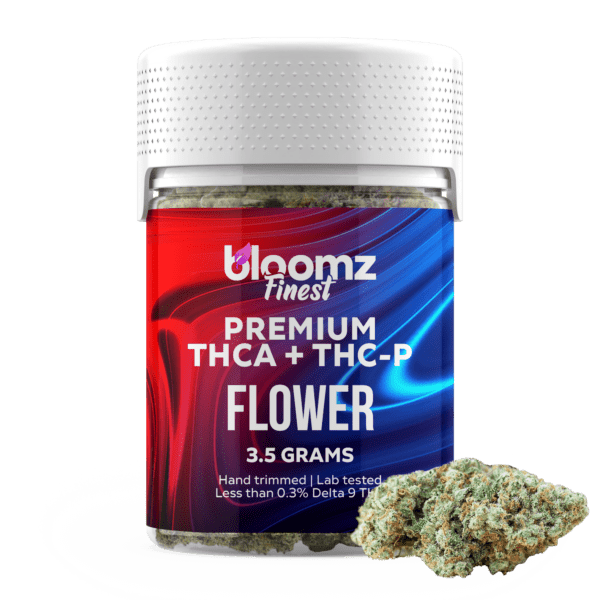
THCA + THC-P Flower
$47.99$89.99 -
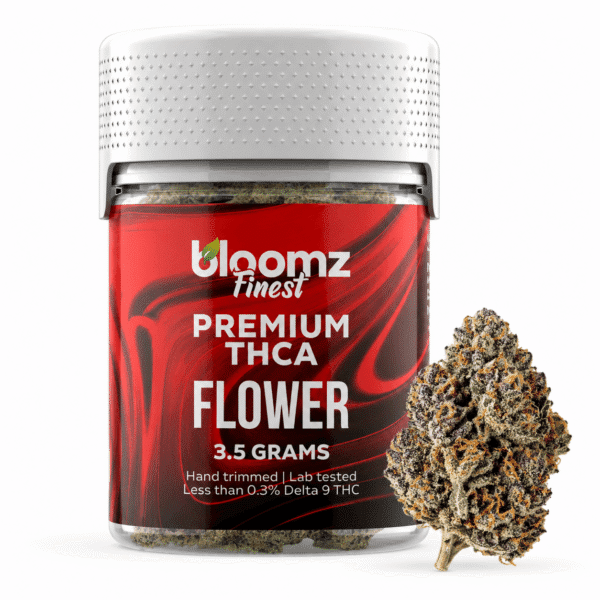
THCA Flower
$27.99$79.99 -
THCA Pre-Rolls – 3-Pack/6-Pack
$30.99$59.99
How to Go About Choosing Which Option
The decision between incorporating THC-P Flower and utilizing melatonin for evening repose is a profoundly significant and deeply personal one, hinging entirely on a single, overarching, and fundamental question: “What is the nature of the experience I am ultimately seeking for my evening wind-down?” This is not merely a choice between two subtly different products; it is a critical discernment between two fundamentally disparate philosophies of achieving relaxation and preparing for rest.
Are you searching for an intensely powerful, deeply immersive, and transformative psychoactive journey—one that promises profound euphoria, significant perceptual alteration, and an overwhelming physical calm to help you unequivocally detach from the demands of your day? Or, alternatively, are you seeking a straightforward, non-intoxicating, and gentle biological cue designed to subtly yet effectively remind your body that it is time to prepare for the natural onset of sleep? Your honest and clear answer to this pivotal question will serve as your unequivocal primary guide.
Beyond the desired subjective experience, a multitude of practical and crucial considerations must be meticulously weighed. You must conscientiously assess the inherently complex and geographically variable legal status of THC-P, your personal tolerance and comfort level with exceptionally potent psychoactive substances, and your distinct preferences regarding methods of consumption—whether you favor the ritualistic aspects of preparing and inhaling flower, or the effortless simplicity and discreetness of ingesting a single capsule or gummy.
Reflect deeply on the kind of evening ritual you envision. Do you find intrinsic value and relaxation in the mindful process of grinding, rolling, or loading a vaporizer, or do you prioritize the sheer convenience and lack of preparation involved in taking a supplement? By thoughtfully considering the precise experience you desire, the pertinent legal and lifestyle practicalities, and the type of nightly ritual that genuinely resonates with you, you can make an exceptionally informed, safe, and truly beneficial choice that precisely aligns with your unique needs for profound nightly rest.
|
Feature |
THC-P Flower |
Melatonin |
|---|---|---|
|
Primary Effect |
Extremely potent, euphoric, profoundly psychoactive |
Non-psychoactive, gently induces drowsiness, sleep-signaling |
|
Mechanism of Action |
Binds very strongly to CB1 cannabinoid receptors |
Supplements the body’s natural sleep-regulating hormone |
|
Desired Experience |
Intense euphoria, profound relaxation, altered consciousness |
Natural feeling of sleepiness, support for circadian rhythm |
|
Source |
Manufactured (Hemp Flower + THC-P Distillate) |
Synthetic (Bioidentical Hormone) |
|
Onset of Effects |
Rapid (1-10 minutes) when inhaled; Slow (45-90+ minutes) when ingested |
Slower (30-60 minutes) |
|
Duration of Effects |
Long-lasting (4-8+ hours) when inhaled; Very long (6-12+ hours) when ingested |
Shorter (Typically cleared overnight with proper dose) |
|
Legality |
Federally compliant but banned/restricted in many states (very gray area) |
Universally legal and readily available over-the-counter |
|
Impairment Level |
Extremely High (unsafe to drive, operate machinery, perform complex tasks) |
Low (can cause grogginess, but no intoxication) |
|
Risk Profile |
Extreme potency, legal uncertainty, limited research, quality variability |
Next-day grogginess (high doses), lack of FDA regulation, variable efficacy |
|
Consumption Method |
Inhalation (smoking/vaping) or ingestion (edibles) |
Ingestion (pills, gummies, liquids) |
|
Taste/Aroma |
Strain-specific terpene profiles (various) |
Tasteless (pills) or flavored (gummies, liquids) |
The Architecture of Serene Nights
Ultimately, the profound journey toward truly restful evenings and deep slumber is an exercise in becoming the master architect of your personal tranquility. Both THC-P flower and melatonin are not competing adversaries, but rather highly specialized instruments within an expansive toolkit, each meticulously crafted with a distinct and valuable purpose for constructing your individual blueprint for serene nights.
One is a formidable instrument for profound transformation, offering an intense, immersive voyage into heightened euphoria, altered perception, and a deeply encompassing physical peace. The other is a subtle, yet foundational, instrument of regulation, a quiet and biologically familiar signal that works in intricate concert with your body’s inherent rhythms to gently, yet effectively, guide it toward the threshold of natural rest.
There is no single, universally “superior” choice, only the choice that resonates most profoundly with your personal intentions and immediate requirements. The true wisdom lies not in an unwavering allegiance to one over the other, but in cultivating the acute self-awareness to discern precisely which instrument is needed for which moment, at which specific time.
By mastering this nuanced art of intentional selection, we elevate ourselves from passive participants to active conductors of our own experience, meticulously ensuring that the final, sacred hours of our day are not merely spent, but are profoundly lived with purpose, peace, and the deepest possible sense of well-being.
TO BUY THC-P FLOWER CLICK HERE
Recommended products
-
THCA Flower – Exotics – Gold Line
$37.99$89.99 -
THCA Flower – Mystery Reserve
$41.99$79.99 -
THCA Flower – Platinum Line
$47.99$79.99 -
THCA Smalls
$139.99$256.99